
Pompeii Archaeological Park has launched a training programme for young researchers, reviving a 19th-Century plan to turn the ancient city into a field laboratory.
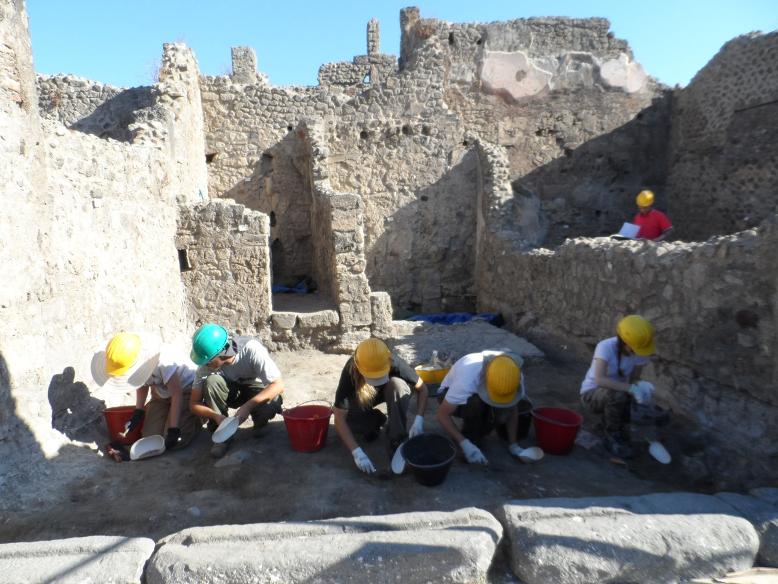
The project, called the School of Pompeii, has been developed with Italian universities. It will offer advanced on-site placements that complement doctoral and specialist postgraduate courses.
It draws on the vision of Giuseppe Fiorelli, regarded as one of the most enlightened directors of the excavations, who founded the first School of Archaeology at Pompeii in 1866.
A lost opportunity
Fiorelli hoped to make the site a privileged place for training young archaeologists in the field. But the school was short-lived, hampered by a lack of resources, facilities and students.
Fausto Zevi, the archaeologist who served as Pompeii’s superintendent from 1977 to 1982, described it as an “exceptional opportunity” for training, accompanied by the “bitter… certainty of a great lost opportunity”.
The school was part of a wider trend in 19th-Century European archaeology, as major research institutes were set up in the leading centres of the classical world. A similar ambition led to the founding of the Italian Archaeological School of Athens in 1909.
A campus at San Paolino
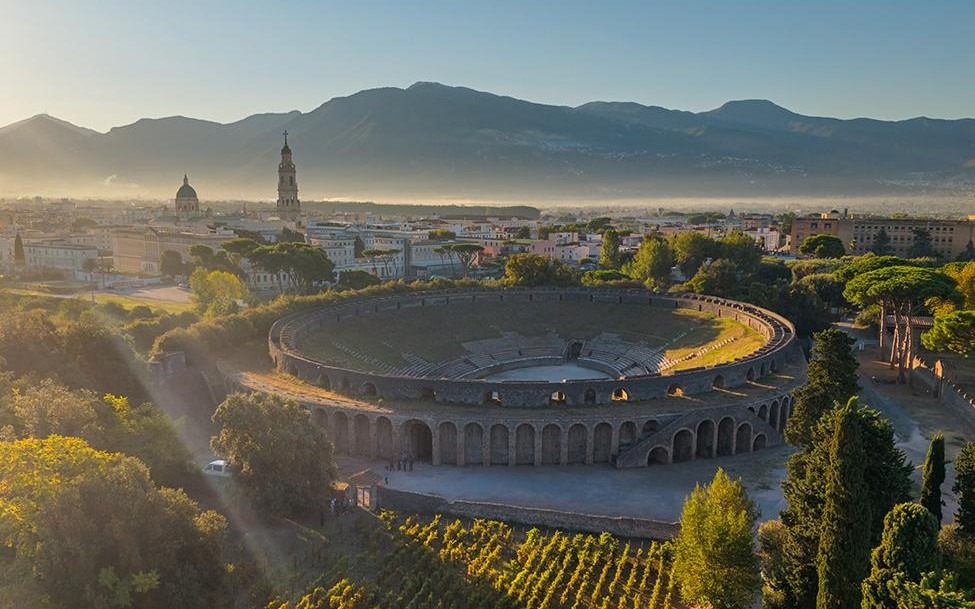
The park now plans a campus in the San Paolino area, with a library, guest accommodation, a storage and laboratory facility, and spaces for research and temporary exhibitions. These will form the core of the new school, intended as a permanent centre for advanced training and archaeological research.
“Our School of Archaeology is not in competition with doctoral or specialist schools, as Fiorelli’s school was 150 years ago, but is closely complementary to them: we offer direct field experience to apply theory to the reality of the ancient city,” said the park’s director, Gabriel Zuchtriegel.
“With this programme we want to consolidate Pompeii’s role as an international reference point for research and training, offering young people an extraordinary opportunity: to work closely with the archaeological heritage, research data, excavation sites and the professionals who work in the park every day.”
The animals of Pompeii
Participants will also take part in the park’s public engagement work, including designing temporary exhibitions. The placements will therefore run from the study of finds through to presenting results to the public.
In its first year, the programme will focus on the theme “The Animals of Pompeii”, which will also form the basis of the park’s next exhibition.
Six curricular placements will be available to students enrolled in specialist or doctoral programmes at Italian universities. Eligible fields are archaeology, restoration, museology, history, classical philology, biology, archaeozoology, art history and related subjects.