


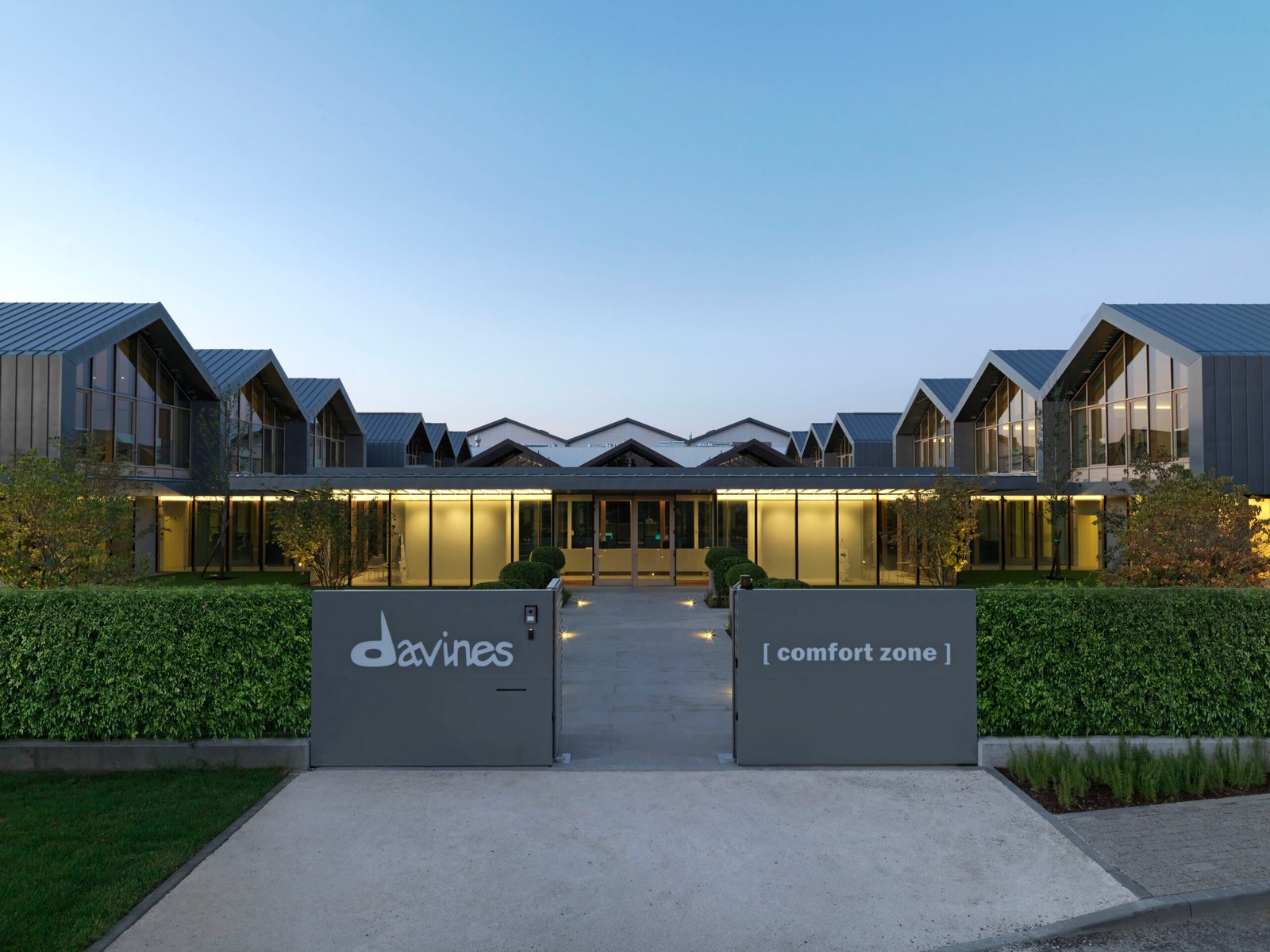

PARMA — Davines Group has opened the European Regenerative Organic Center near Parma, positioning Emilia-Romagna as a testing ground for a farming model the global beauty industry is only beginning to understand. The center, known as EROC, is dedicated to regenerative-organic cultivation of cosmetic ingredients and soil-health research.
When Silvana Bollati stood behind her pharmacy counter in Parma in the early 1980s, she was already questioning the foundations of professional beauty. Trained to understand how substances interact with the human body, she saw a gap between marketing claims and what hair and skin actually needed.
In 1983, she and her husband Gianni Bollati founded a small laboratory producing professional haircare for local salons. It was a modest operation built on complementary roles, with Silvana developing formulations and Gianni building relationships across the Emilian countryside. Demand grew steadily, driven by a reputation for precision and efficacy.

From sustainable to regenerative
That founding instinct has evolved into something more ambitious. Davide Bollati, Silvana’s son, helped co-found the B Corp Beauty Coalition, a cross-brand initiative designed to make systemic sustainability standards the default across global cosmetics rather than the exception. The group now uses the word “regenerative” deliberately, explicitly decoupling growth from environmental impact.
“Beauty should be inseparable from ethics, science and wellbeing,” Davide Bollati has said. The group’s 2030 decarbonisation plan has been validated by the Science Based Targets initiative, and a Regenerative Society Foundation funds wider soil-health and social research beyond the company’s own supply chain.
Science behind the formula
Three decades on, Comfort Zone is the skincare division of the Davines Group, sharing its Parma headquarters and family ownership. While Davines haircare operates through thousands of salons, Comfort Zone has carved out a distinct niche in spas and professional clinics, distributing products through trained therapists rather than mass retail. Now present in more than 40 countries and contributing to group revenues of around 300 million euro annually, the brand has grown far beyond its artisanal beginnings. Yet its positioning remains deliberately clinical and expertise-driven.
Davines has always sought to focus not only on the effectiveness of their formulas, but also on how they are applied comes not just from the formula, but from how it is applied, Bollati told Italy Now. Comfort Zone’s latest collections focus on collagen and skin regeneration, an area the company sees as a natural extension of its longstanding research into ingredient integrity.
As the global skincare market pivots toward transparency and efficacy, and as the 30th anniversary of Comfort Zone’s launch coincides with an industry-wide turn toward longevity science, Davines Group’s trajectory suggests that what began as a pharmacist’s instinct in Parma may now be setting the terms for an entire industry.