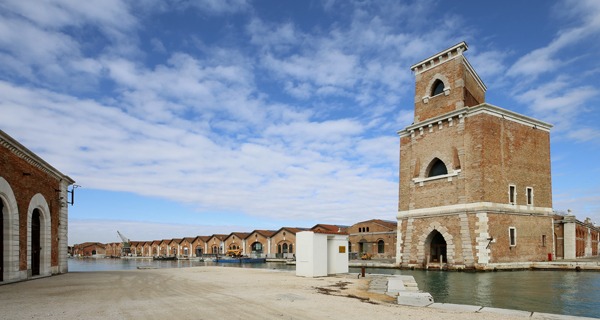

VENICE — The Venice Biennale art exhibition closes November 22, when visitors, after its jury resigned, will vote for the winners, but only if they have seen both venues. That includes the Arsenale, the former shipyard that armed the Venetian Republic and now hosts 25 nations.
“The Arsenale shows how a place can remain relevant without losing its identity,” said Roberta Garibaldi, professor of tourism management at the University of Bergamo and former CEO of ENIT, Italy’s national tourism agency. Its strength, she said, lies in the coexistence of industrial history, architecture, contemporary culture, and the visitor’s experience.
Ticket holders who have visited both venues get one vote for each of two Visitors’ Lions, one for a national participation and one for a participant in the main exhibition. The Arsenale is open Tuesday to Sunday, 10 a.m. to 6 p.m.

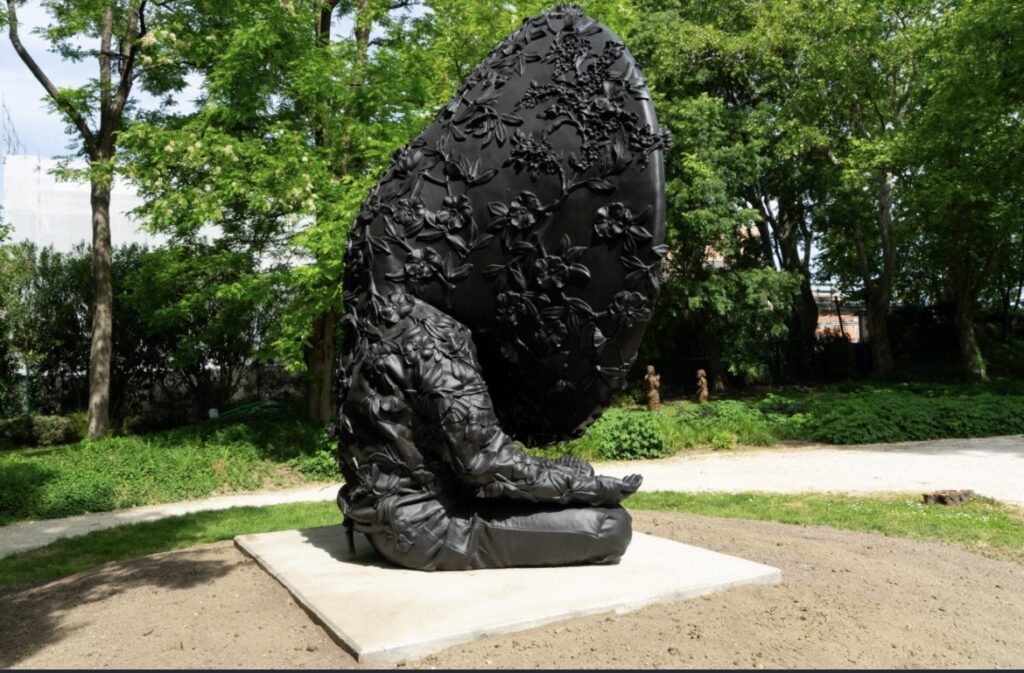
The exhibition, In Minor Keys, was conceived by the late curator Koyo Kouoh, who died in May 2025. In a curatorial statement, Kouoh wrote that minor keys, often linked to strangeness, melancholy, and sorrow, also carry “joy, solace, hope, and transcendence.”
Arms and ropes
Each use left a layer. The Corderie (rope-making hall), rebuilt between 1579 and 1585 by Antonio Da Ponte, architect of the Rialto Bridge, made ropes and cables for ships along 317 metres.
Nearby, the Sale d’Armi (armouries), from about 1460, stored the Republic’s weapons and, in World War I, torpedoes. The Artiglierie (artillery workshops) kept 131 bronze cannon taken at the Battle of Lepanto, the naval victory over the Ottoman Empire in October 1571.
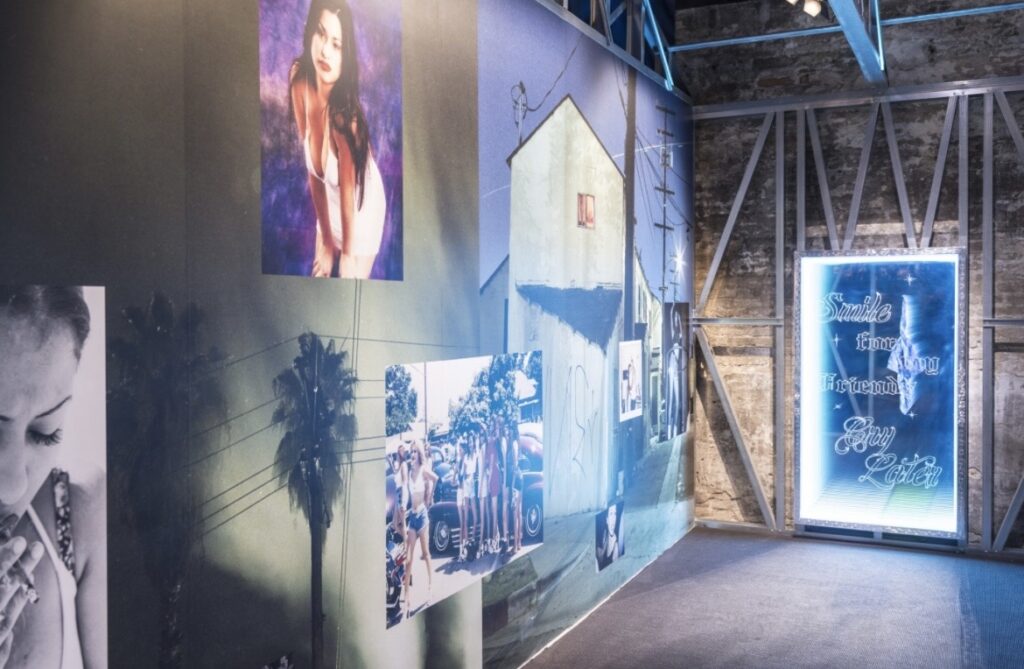
Today the Sale d’Armi also host the Applied Arts Pavilion, a project by artist Gala Porras-Kim made with London’s Victoria and Albert Museum.


Art moves in
The Biennale first used the Corderie in 1980, when architect Paolo Portoghesi staged the Strada Novissima (Newest Street) for the first International Architecture Exhibition. Restoration from 1999 turned the sheds built in 1566, later coal stores, into the Teatro alle Tese (theatre in the sheds). From 2000, work also cleared the abandoned, 14,000-square-metre Giardino delle Vergini (Garden of the Virgins), on the site of a demolished monastery.
Of 18 shipbuilding sheds raised in the late 14th century, only the Isolotto survives. The rest were demolished between 1877 and 1880 to make room for a larger basin. “For destinations, this is a powerful lesson in how heritage can be interpreted rather than simply preserved,” Garibaldi said.