
MILAN — The AFRO Fashion Association has worked with 3,000 creatives of colour in Italy, and by its own count only 92 now hold creative jobs “on a sustainable professional path.” Levi’s spent the past year trying to push that number up.
The programme, Voices of Denim, mentored 30 creatives from 17 countries, all based in Italy, with help from Levi’s designers and figures from fashion and publishing. Some cut manifesto looks from Levi’s deadstock, the brand’s unsold surplus fabric.
“The test is whether participants gain paying clients and useful professional relationships, not just exposure for the sponsor,” said Liam Lafferty, cofounder of Zentive, a software company for home services. “A year later, I would look at paid commissions, repeat work and continued access to mentors, rather than exhibition attendance or social impressions.”
“Mentoring should be measured in terms of the second check received, rather than the opening night,” said Evgenii Arsentev, founder of Dad4Kids.
“There is a lot to do in diversity and inclusion everywhere in the world, for sure also in Italy,” said Carlo Capasa, president of the Camera Nazionale della Moda Italiana (Italy’s national fashion chamber), in January.
“After almost a year of work with the creatives involved, we are proud to present, together with Levi’s, a project that shows what culture can generate when it meets access, trust, and concrete opportunities,” said Michelle Francine Ngonmo, the association’s founder and chief executive.
Scaffolding and deadstock
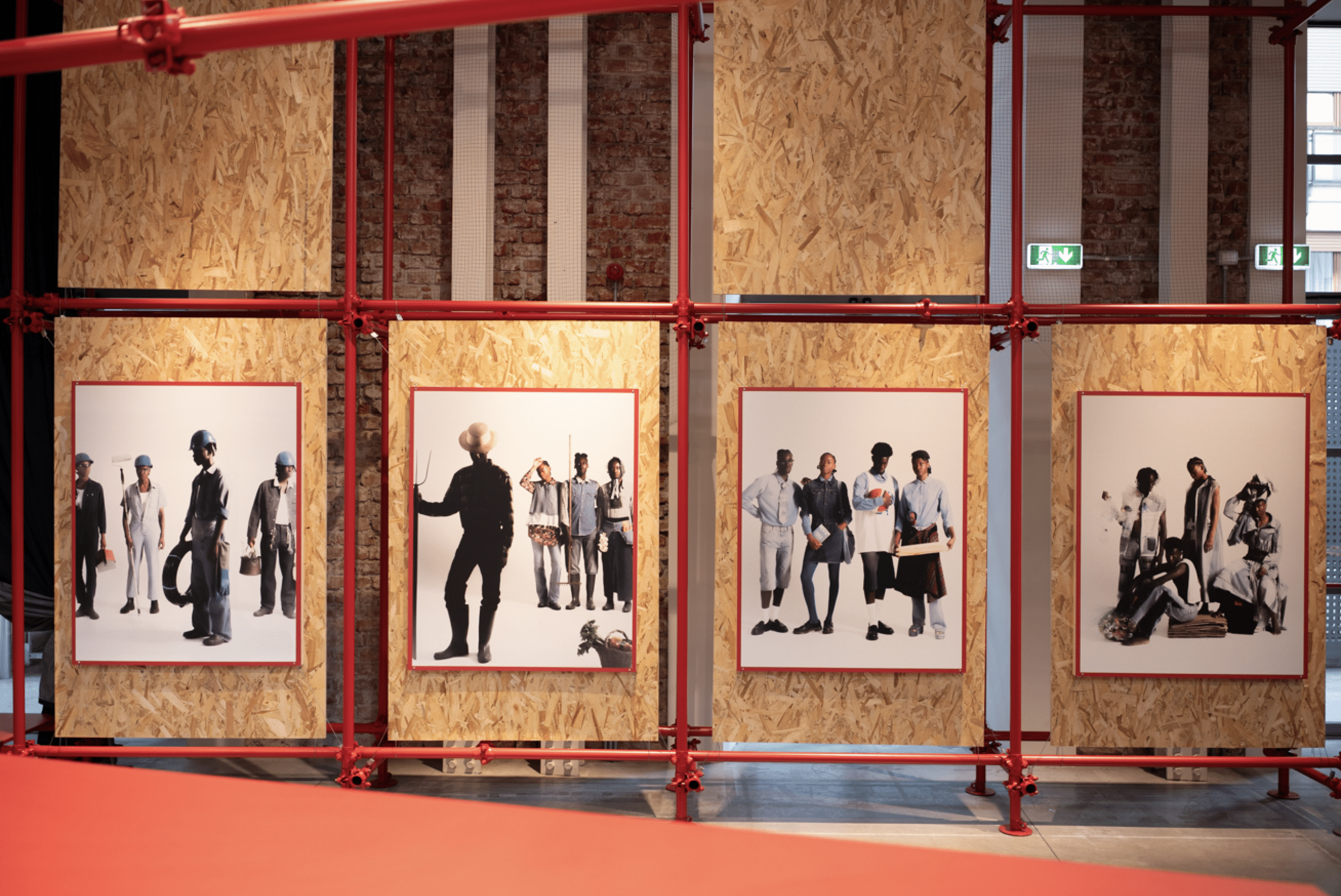
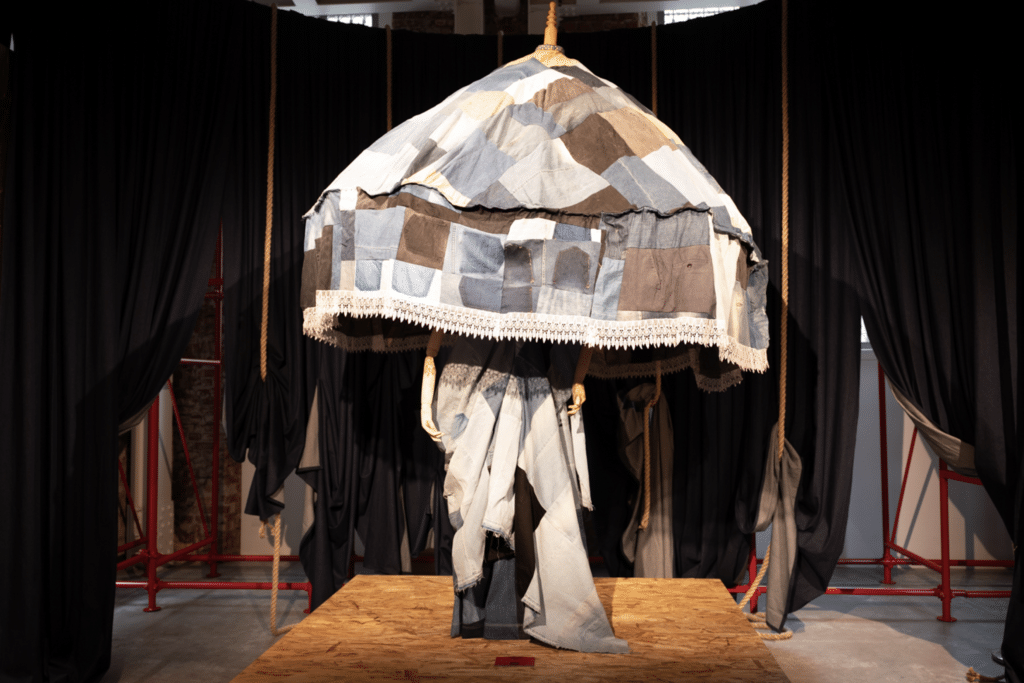
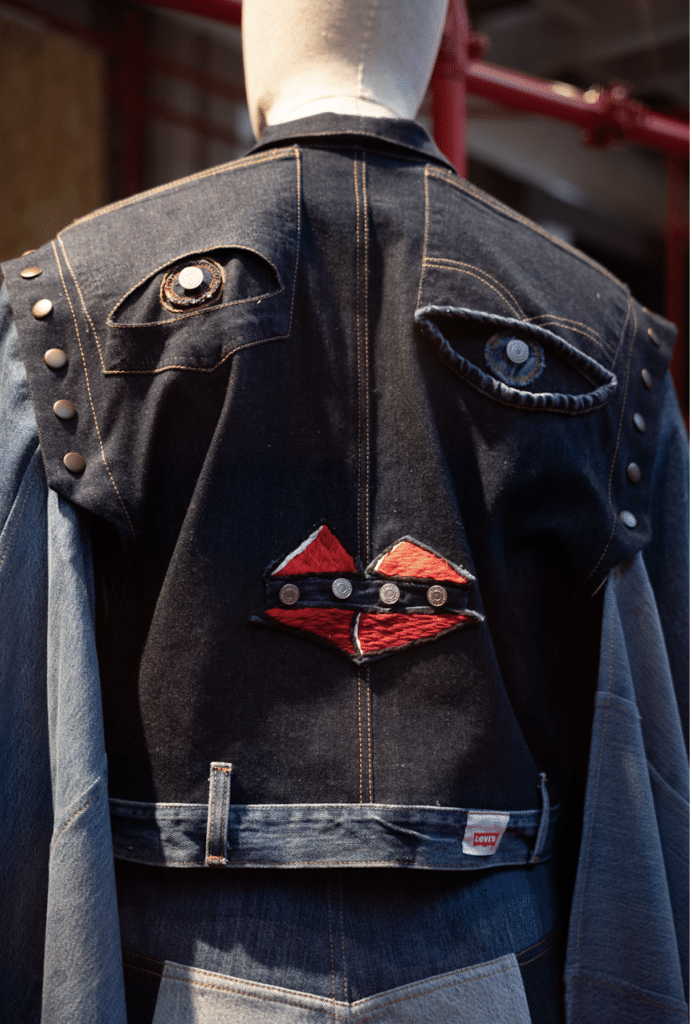
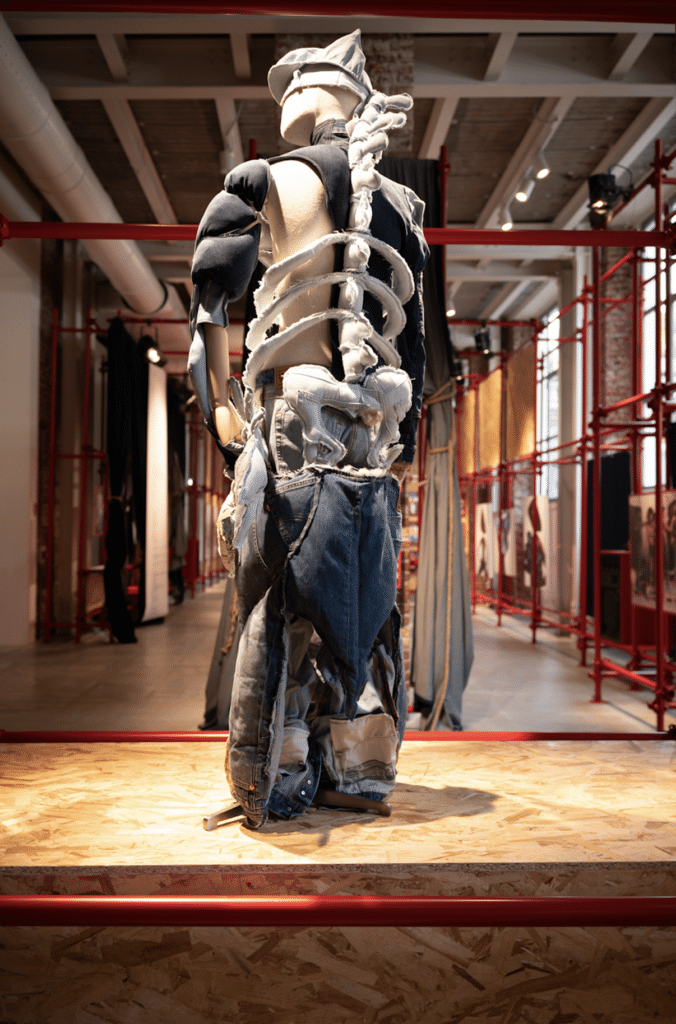
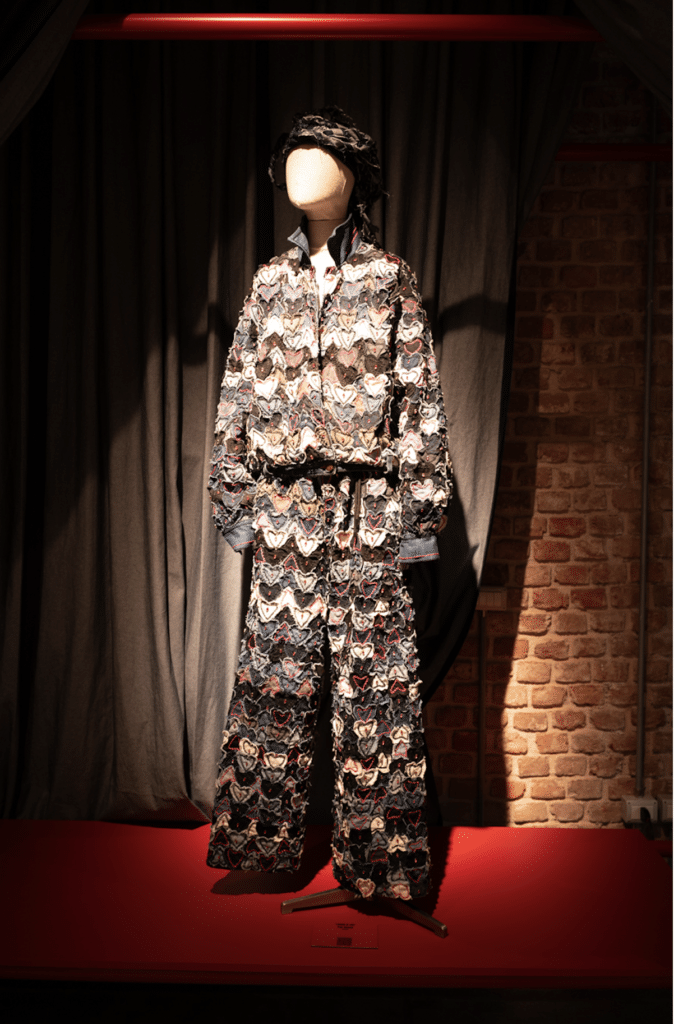
The year closed with a free exhibition at Casa degli Artisti (House of Artists), a Milan artists’ house, from September 25 to October 2, 2026. Curator Jordan Anderson built it as an open building site of reused steel scaffolding, metal mesh, rope, and drapes.
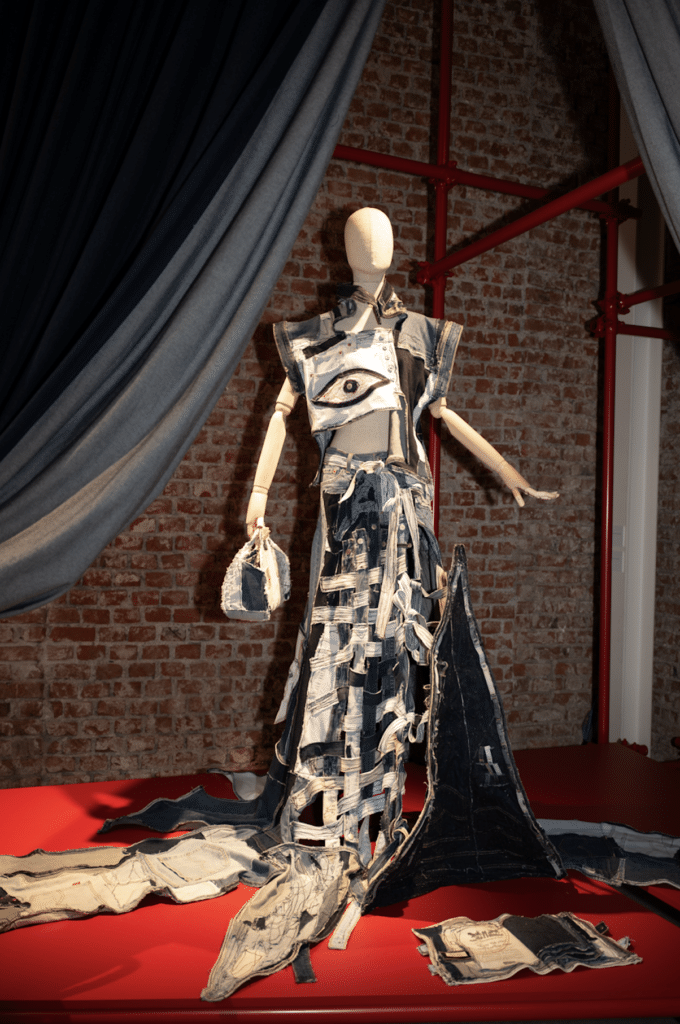
Papa Oyeyemi, a Nigerian designer, turned Levi’s deadstock into a look called “Labour of Love,” with exposed seams and raw edges.
“An exhibition can show that deadstock looks good, and that’s worth something. It doesn’t change how much gets made next season, though,” said Teresa Marco, product department manager at Hockerty, a made-to-measure menswear brand. “At Hockerty we don’t cut anything until a customer has ordered it with their own measurements, so the suit that would have ended up as deadstock is never made in the first place.”
An older fight
Ngonmo joined the designers Stella Jean and Edward Buchanan to demand that Italian fashion houses turn statements of solidarity into action, and for several seasons the three mentored creatives of colour under the banner We Are Made in Italy.
Progress is uneven. Victor Hart, a Ghanaian designer among the 30, has designed a denim collection for Max & Co., yet he has said that finding opportunities as a Black man in Italy, where he has lived for the past nine years, remains hard.
No second edition has yet been publicly announced. Thirty more creatives now have work cut from Levi’s denim, and the test is whether, a year on, they also have jobs.