
ROME — Cancer patients at the Colosseum relive the gladiators’ wait before entering the arena, a therapy Italy hopes doctors will prescribe. On October 31, physicians and psychologists gathered at Milan’s Università Cattolica to work out how museum visits could join treatment plans.
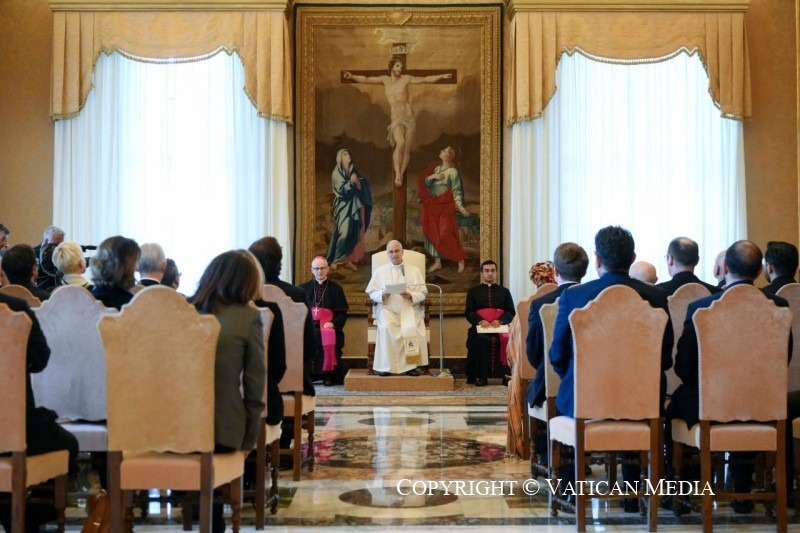
“This agreement between the two ministries is historic for Italy, and it will lead us, we hope, to social prescriptions,” said Lucia Borgonzoni, undersecretary for culture, presenting the protocol in Rome in September at the Foreign Press Association.
The culture and health ministries will name a scientific committee of six, three from each, to gather evidence. One million euros from the last budget law will fund pilot studies. The model is Britain, where doctors refer patients to museums and arts classes alongside medicine.
In 2016, a study at the Santuario di Vicoforte, a Baroque sanctuary in Piedmont, found visitors’ cortisol, a stress hormone, fell by more than 60 percent after climbing to its frescoed dome.
Rome’s city assembly approved a social prescribing pilot on October 13.
“A museum visit can have a place in a care plan, and trials of structured museum programmes in older adults have shown encouraging results for wellbeing and quality of life,” said Michael J. Hall, founder and medical director of Hall Longevity Clinic in Miami Beach. “The next test is whether those benefits last and exceed those of equally engaging social activities, so we understand what the art itself contributes.”
Gladiators’ threshold
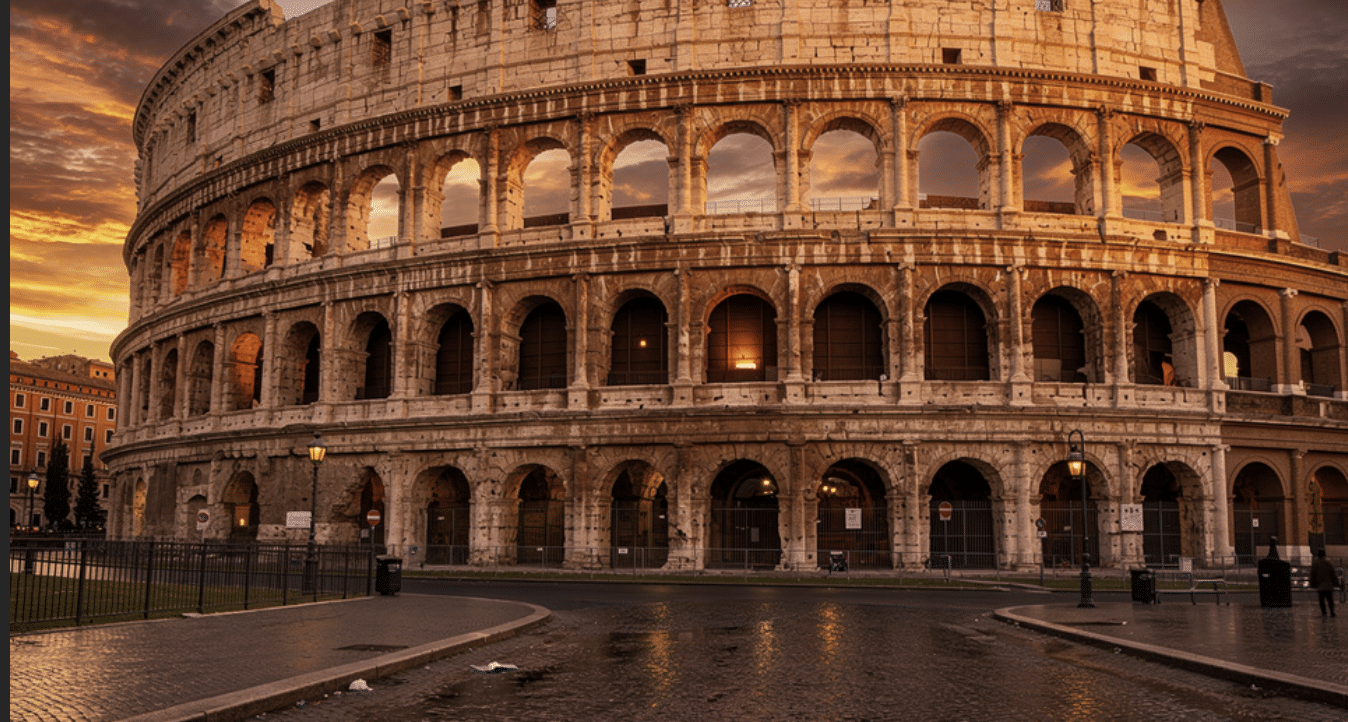
At the Colosseum, the archaeological park calls the programme Salus per Artem, Latin for health through art.
“We make them relive the gladiator’s wait before entering the arena, which is the wait every oncology patient feels before chemotherapy, radiotherapy, or surgery,” said park director Simone Quilici.
Patients leave through the monument’s triumphal gate, and some return as volunteers. “I have watched patients break down in tears,” Quilici said.
Island hospital
At the Gemelli Isola Tiberina hospital, oncologist Vincenzo Valentini lets radiotherapy patients choose views of Rome for the screens above them. Portraits of breast cancer survivors, a project begun with designer Pierpaolo Piccioli, line the corridor to treatment. “The message is simple. Do not give up on being beautiful,” Valentini said.
Proof first
Getting from anecdote to national policy, Valentini said, means measuring outcomes as rigorously as any drug trial. If the numbers hold, a doctor could one day send a patient to an Italian museum instead of spending thousands of euros on medication.