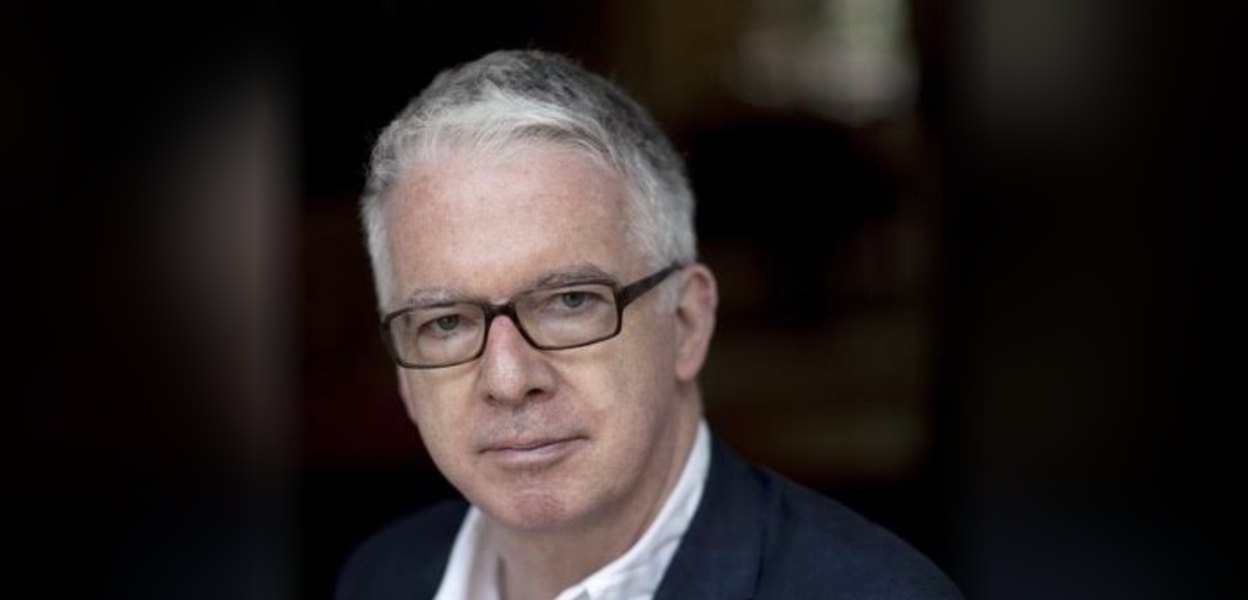

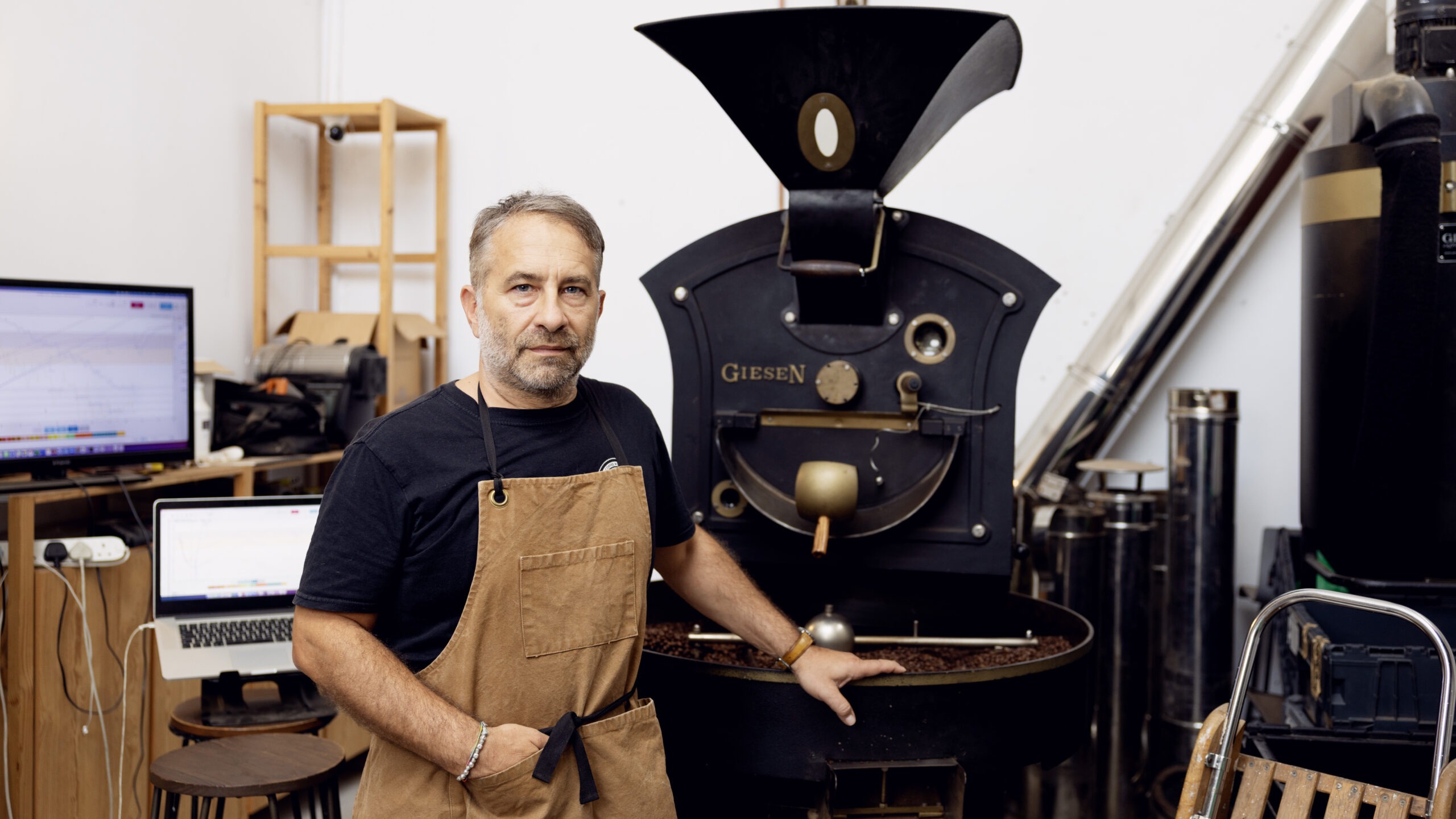
LONDON — In a north London roastery where the beans can smell of peanuts, Edy Piro is on a mission to make people slow down. As International Coffee Day fell on October 1, the Italian founder of Terrone & Co. Coffee Roasters calls the celebration mostly symbolic.
Piro was not even a coffee drinker when he discovered roasting in Portland, Oregon, in 2004. After researching the trade in the Marche region in central Italy, he moved to London to roast small batches of speciality coffee. Today he sources from a single farm and roasts a medium profile built to bridge Northern European filter culture and Italian espresso. Italy Now spoke to him.
Q. How did roasting first catch your eye?
“It was Portland, Oregon, in 2004,” Piro said. “I was travelling from Canada and saw roasters working at the back of the cafe. I had never seen that in Italy, where it’s either a bar using someone else’s beans, or a roaster that doesn’t serve drinks. I thought, that looks cool. I wanted to work in hospitality, and this bridged the gap. I liked the machinery, the process.”
Q. How does Italian espresso shape the way you roast?
“Espresso is a thermal shock. Everything happens in 30 seconds at very high pressure. Speciality coffee is usually roasted light for filter, while Italy goes very heavy. We wanted a bridge, a medium roast adapted for espresso. The culture forced me to develop this style.”
Q. What smell takes you back to your first days roasting?
“The smells change during the process. You would never think that coffee smells like peanuts, but it does. You learn to associate each smell with a stage of the roast.”
Q. If you could pour one idea into the cup, what would it be?
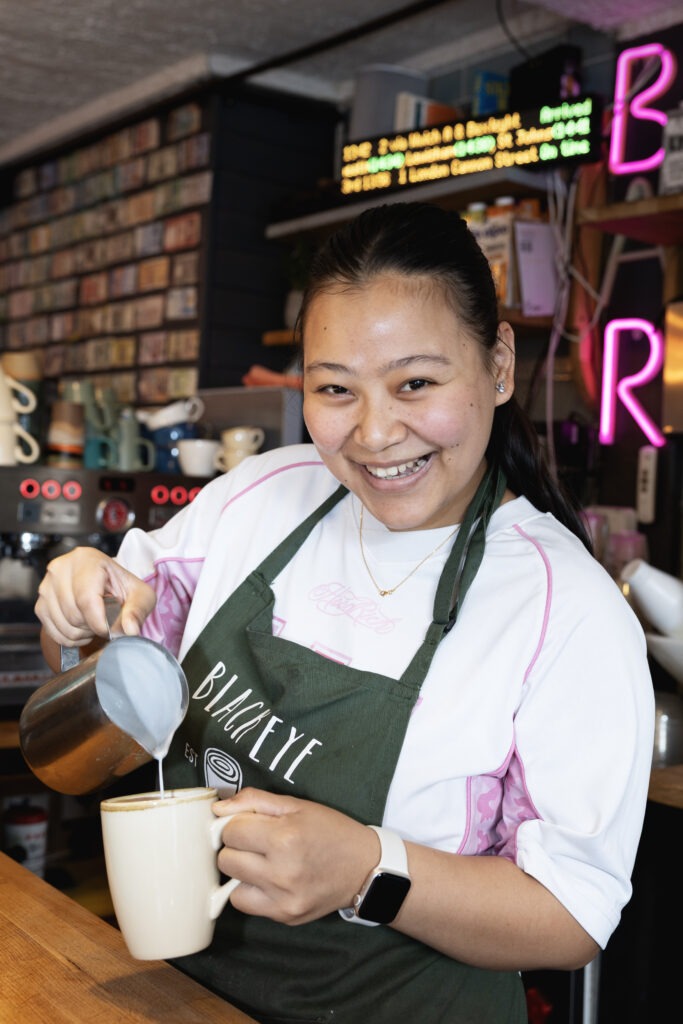
“Time. In Italy coffee is still a drink consumed fast. What’s in that cup is the work of the farmer and the roaster, and then 50 percent the barista. There are some places in Italy, and a lot more here, that explain the coffee and invite customers to spend a little time enjoying what the roaster and the barista have done for them.”
Q. Does UN recognition change anything for farmers?
“I think it’s mainly symbolic. Every year we make an offer online so people can get to know us. There isn’t a physical celebration as such, we just celebrate online. I wish there was a more physical one.”
Q. What would surprise people about coffee farmers?
“Most of the time, farmers don’t drink coffee from their own beans. They don’t know what a whole year of work tastes like. The new generation is learning roasting on the farm, and that gives them the chance to know their crop. The Specialty Coffee Association works with farmers more than anyone else, and that’s what we endorse. I deal with one farm.”
Q. Coffee has its day on the UN calendar. Who does it belong to?
“To all three, the farmers, the roasters, and the baristas. The farmers do the hardest work. Roasters have a responsibility to make farmers proud. But the barista has everything in their hands, so the split is unequal. The barista makes sure the hard work of the farmer and the roaster is good enough for the customer.”