
SPERLONGA, Lazio — While bigger resorts wind down, the beaches, restaurants, and boat trips of Sperlonga, Lazio, keep running into October. The whitewashed town, halfway between Rome and Naples, is entering what many locals consider its calmest month.
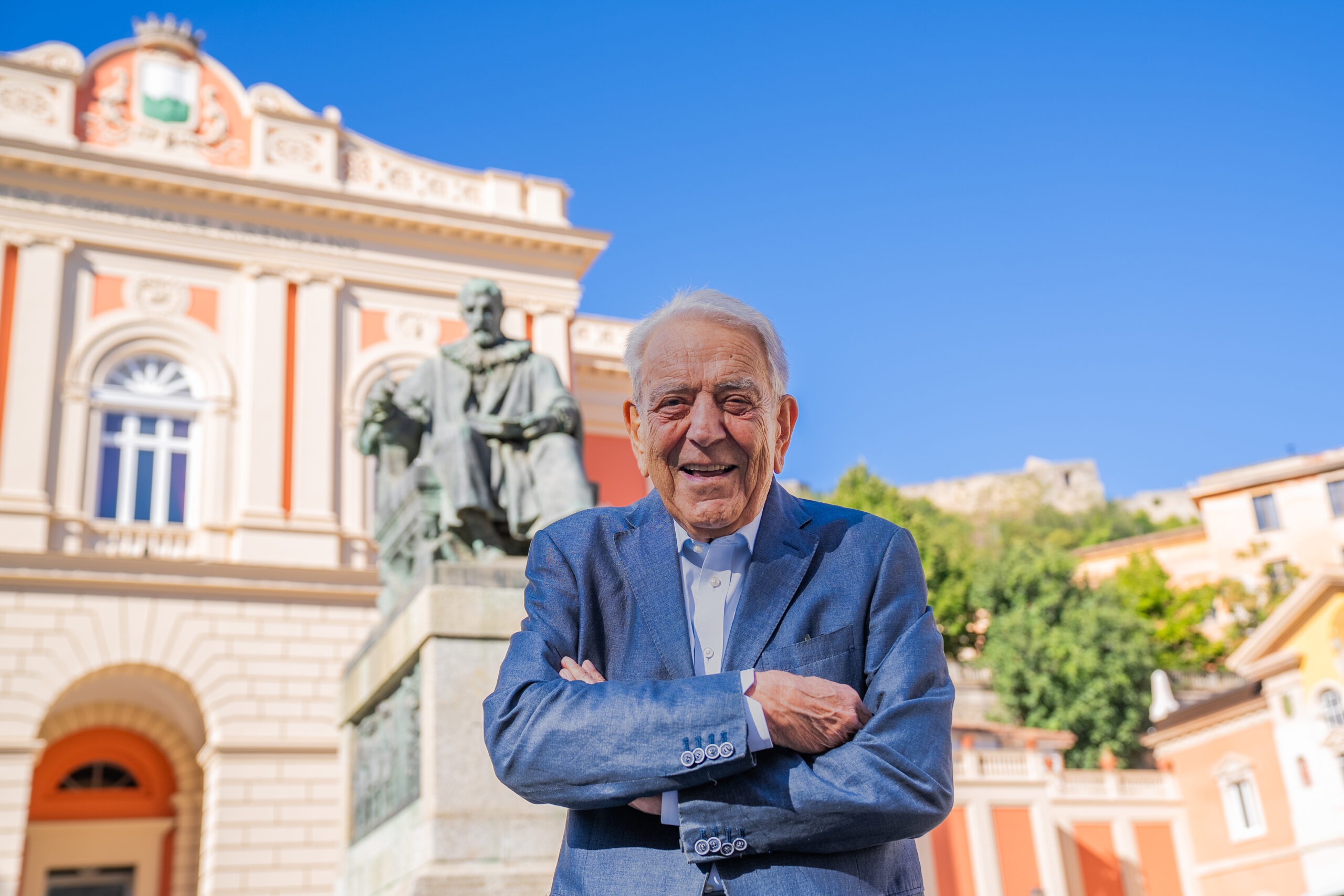
“Thanks to the exceptional mild microclimate, the calm and tranquility of the village, and the historical and cultural heritage,” film press agent and Sperlonga native Saverio Ferragina told Italy Now. “Sperlonga has a magnetic pull on tourists during the low season.”
“Tourism in Italy is becoming increasingly distributed across smaller coastal, rural and mountain destinations, even as the major cities remain strong,” said Elena Tamagnone, founder of the travel platform Globara. Sperlonga’s appeal is further enhanced by its coastline’s recognition with the Blue Flag environmental award for the 30th consecutive year.
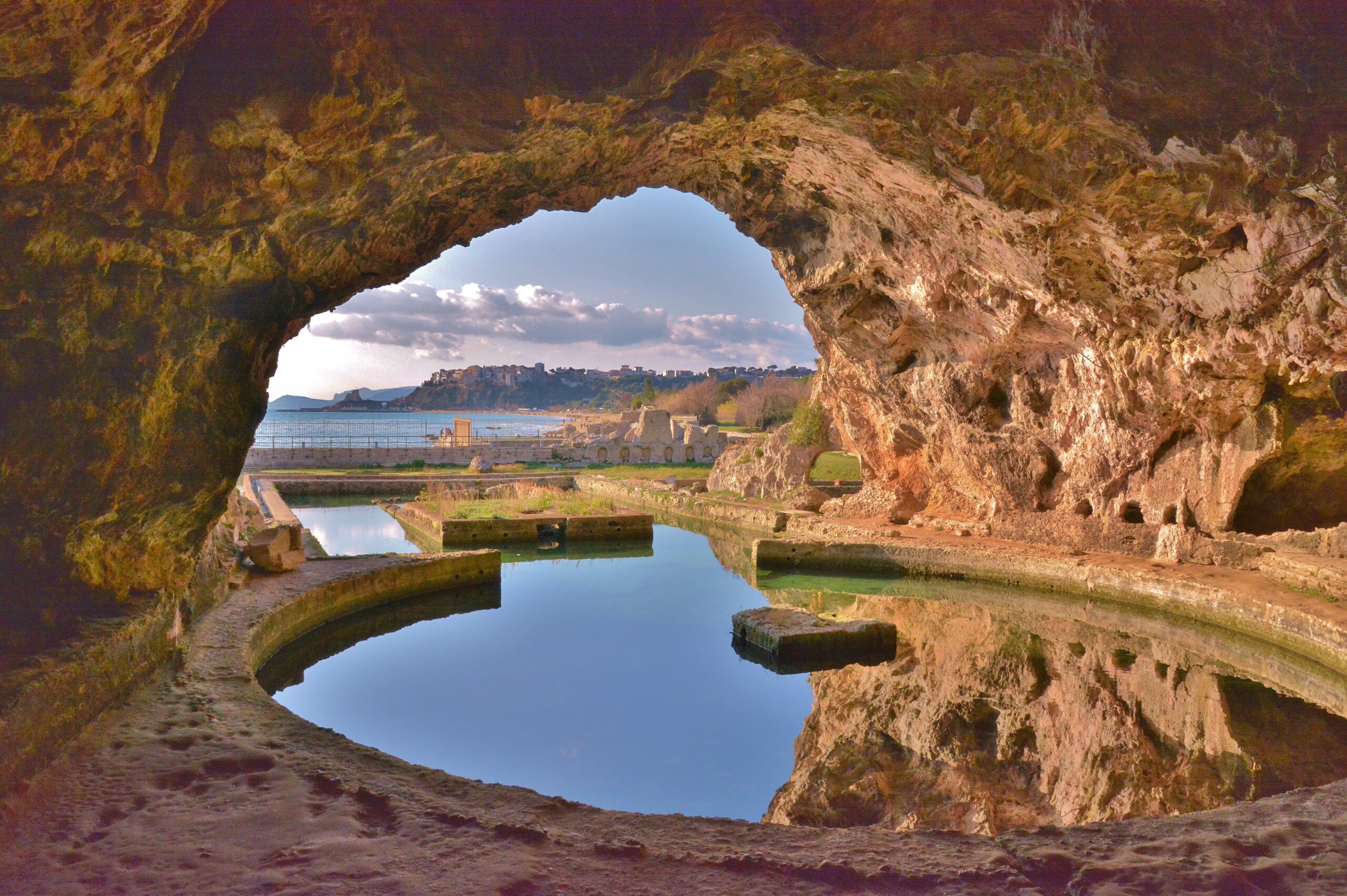
Tiberius’s grotto
About 1.5 kilometres south of the historic centre stands the villa where the emperor Tiberius entertained his guests inside a sea cave. During the archaeological excavations carried out in 1957 in the cave, prompted by the construction of the Via Flacca road, extraordinary marble sculptural groups were discovered, reassembled from thousands of fragments, known as the “Marble Odyssey.”
Collected and displayed in the National Archaeological Museum, located next to the villa, they depict the exploits of Ulysses: blinding the Cyclops, fighting the sea monster Scylla, and dragging the body of Achilles, the last also known as the “Pasquino” group.


Ferragina’s favourite route, which he first described to luxury magazine ‘Roma the Eternal City’ published by Gruppo editoriale, climbs from the port through the lanes to Via Madonnella and the Piazzetta, then follows the shore to the museum, “which I’m very fond of, because my father worked there.”

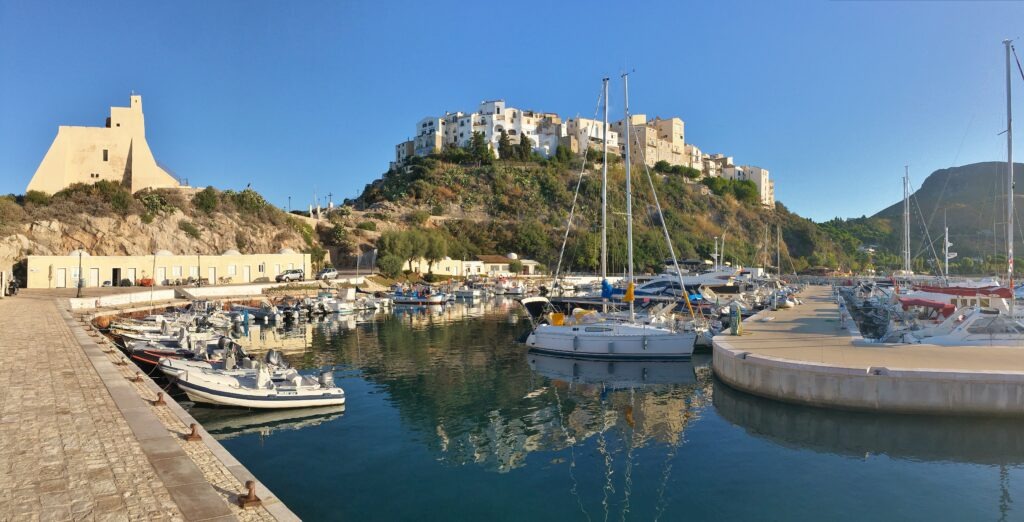
The white town
The old town, tiers of white houses on a promontory, was sacked by the Ottoman fleet of Hayreddin Barbarossa in 1534. Torre Truglia, the watchtower at the point, is where Ferragina sends visitors for the sunset.
Saverio’s favourite beach is the free stretch at Ponente. “I also always advise to hire a boat at the port and follow the coastline down to Gaeta, exploring the inlets and coves.” Lunch instead is at Gli Archi, open since 1988 in Via Ottaviano. His favourite dinner haunt is Ristorante “Lupi di Mare” in Piazza Fontana, 5, where you can enjoy excellent fresh fish dishes with a breathtaking view.



Lanes and tables
In the lanes, Artigianstrame in Piazza della Rimembranza sells hats, bags, and baskets woven from strame (a wild grass of the nearby Aurunci hills) by the fifth generation of the Casale family. The aperitivo belongs to Civico 29, a cocktail bar above the sea.
“The opportunity is enormous, but growth has to be managed carefully so these places preserve the authenticity that made travellers want to discover them in the first place,” said Sebastian Siciliano, market development manager for the Americas at Raro Discovery, an Italian tour operator.
By October the beaches empty but the sea stays swimmable. The town, no longer performing for August, settles back into the rhythm it kept long before tourism arrived.