


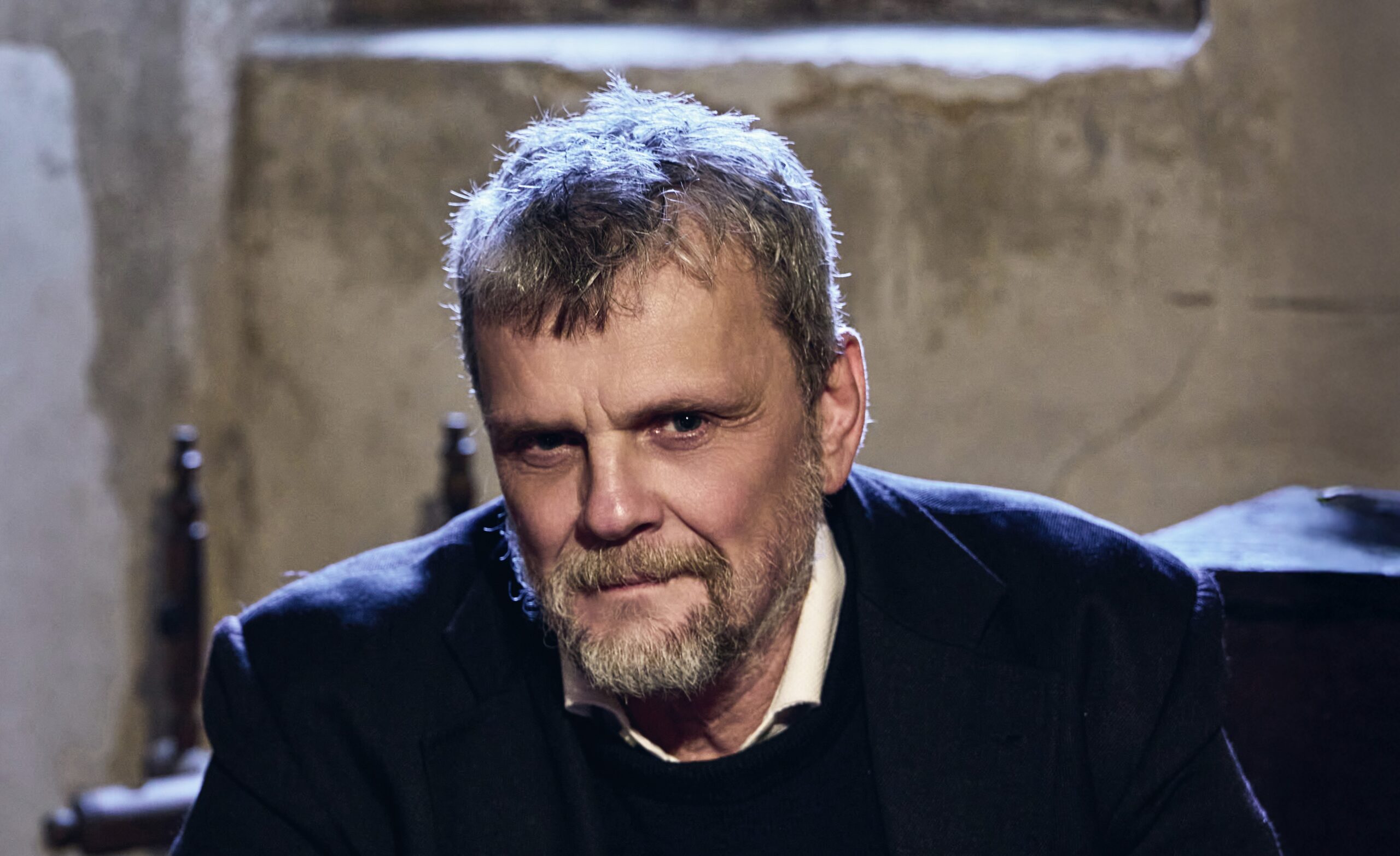

SANTO STEFANO DI SESSANIO, Abruzzo — Snow blankets the medieval stone village this April morning as we sit down to breakfast with Daniele Kihlgren, the Swedish-Italian philosophy graduate who rescued this hilltop borgo from oblivion and pioneered Italy’s original albergo diffuso (scattered hotel). He told us he arrived here by chance in the late 1990s, jobless and reeling from personal tragedy, and recognised in the crumbling houses a “poor historical heritage” that snobbish Italian culture had never bothered to protect. Two decades on, his Sextantio model has reshaped how Italy thinks about its abandoned villages, extended to the cave dwellings of Matera in Basilicata, and reached a small island on Rwanda’s Lake Kivu, where the same philological approach now funds healthcare for the poor. Authenticity, he believes, is not nostalgia. It is a political agenda.
Register for full Italy Now access - it's free
Don't have an account? Register Here