VICENZA — The EU money that rebuilt Italy after the pandemic was never supposed to stop at buildings alone. At Villa La Rotonda, outside the city of Vicenza in Veneto, the funds were used to revitalise the soil itself. The 16th-century villa whose design irreversibly influenced Western architecture has completed a landmark restoration of its grounds, funded by European recovery money.
The result is a site that now breathes as deliberately as it was designed. The PNRR, Italy’s share of the European Union’s post-Covid recovery fund worth over 191 billion euro, financed an ecological restoration of the Boschetto Romantico, the 19th-century park surrounding the villa. The project, now completed and under UNESCO monitoring as of spring 2026, has done something quietly radical: it has turned one of the world’s most studied buildings back into a working landscape.
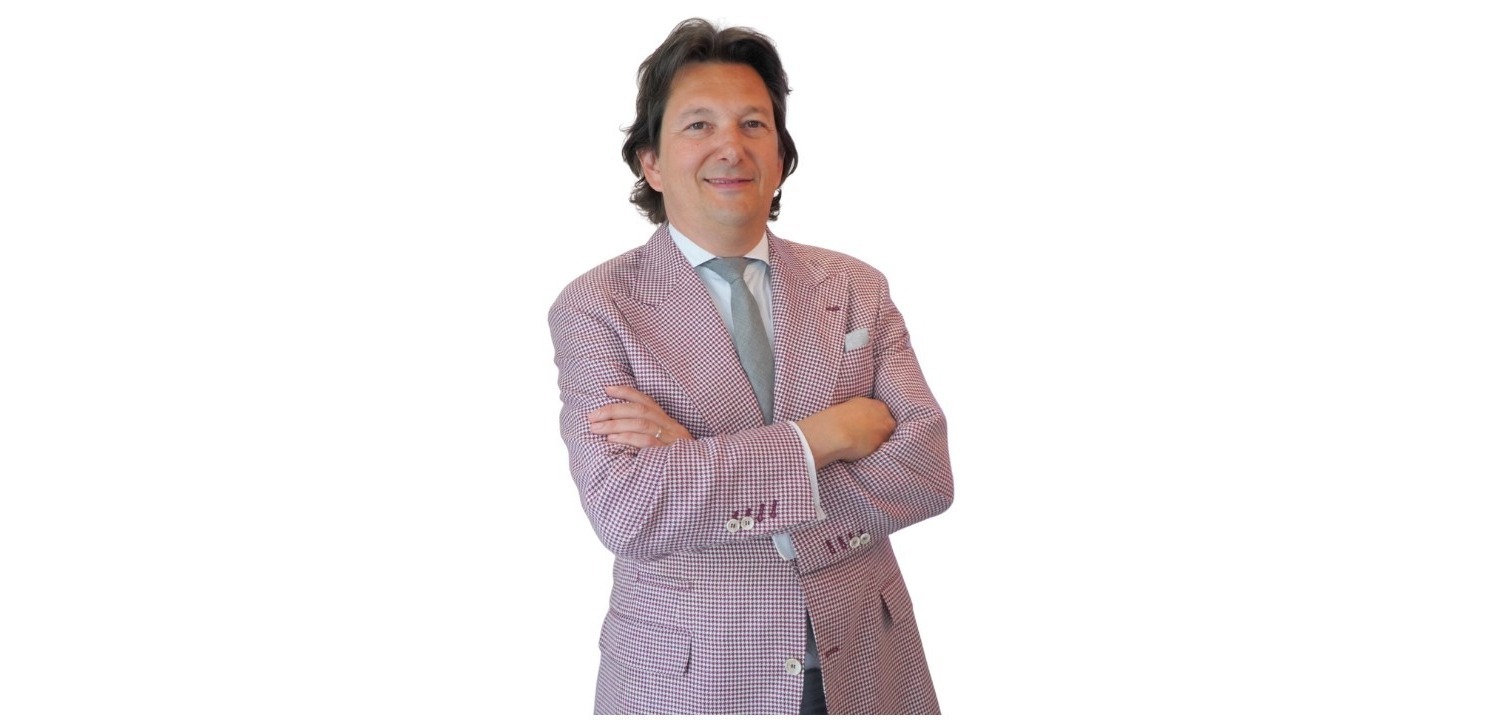
“We view ourselves not as business owners but as custodians,” said Nicolò Valmarana of his family, who have stewarded the villa for generations. “It’s an assignment my father left me. For him, the Rotonda was a property to defend. For me, it’s a life mission.” he told Italy Now.
Palladio’s sight lines restored
The restoration cleared decades of invasive growth that had blocked the axial vistas that Andrea Palladio, the villa’s architect, had originally designed into the hillside. Those sight lines, known in Italian as cannocchiali prospettici (perspective telescopes), were never merely decorative. They were structural to Palladio’s conviction that architecture and landscape should be in active conversation.

Fifty thousand bulbs have been planted in sequence to flower from February to May, creating a continuous food source for local pollinators and supporting the surrounding agricultural land.
From stables to table
The ancient stables were converted into the Scuderie de La Rotonda bistrot, where bread, pasta, and wine yielded by the estate’s own fields reach the table. The land feeds the visitor; the visitor funds the garden. Furthermore, new accessible paths, tactile zones, and Braille guides have opened the grounds to visitors with visual impairments, a significant shift for a site long associated with aristocratic exclusivity.
The restoration’s commitment to the Venetian past did not preclude the tools of the present: a new AI-integrated app lets guests hear the building explained through the voice of Contessa Giustina Galvagna Valmarana, a historical figure connected to the villa’s story. It is a strange, productive friction: Silicon Valley softwares channelling a 16th-century domestic life.
The Rotonda was always a machine for viewing the world. Now it is also tending it.