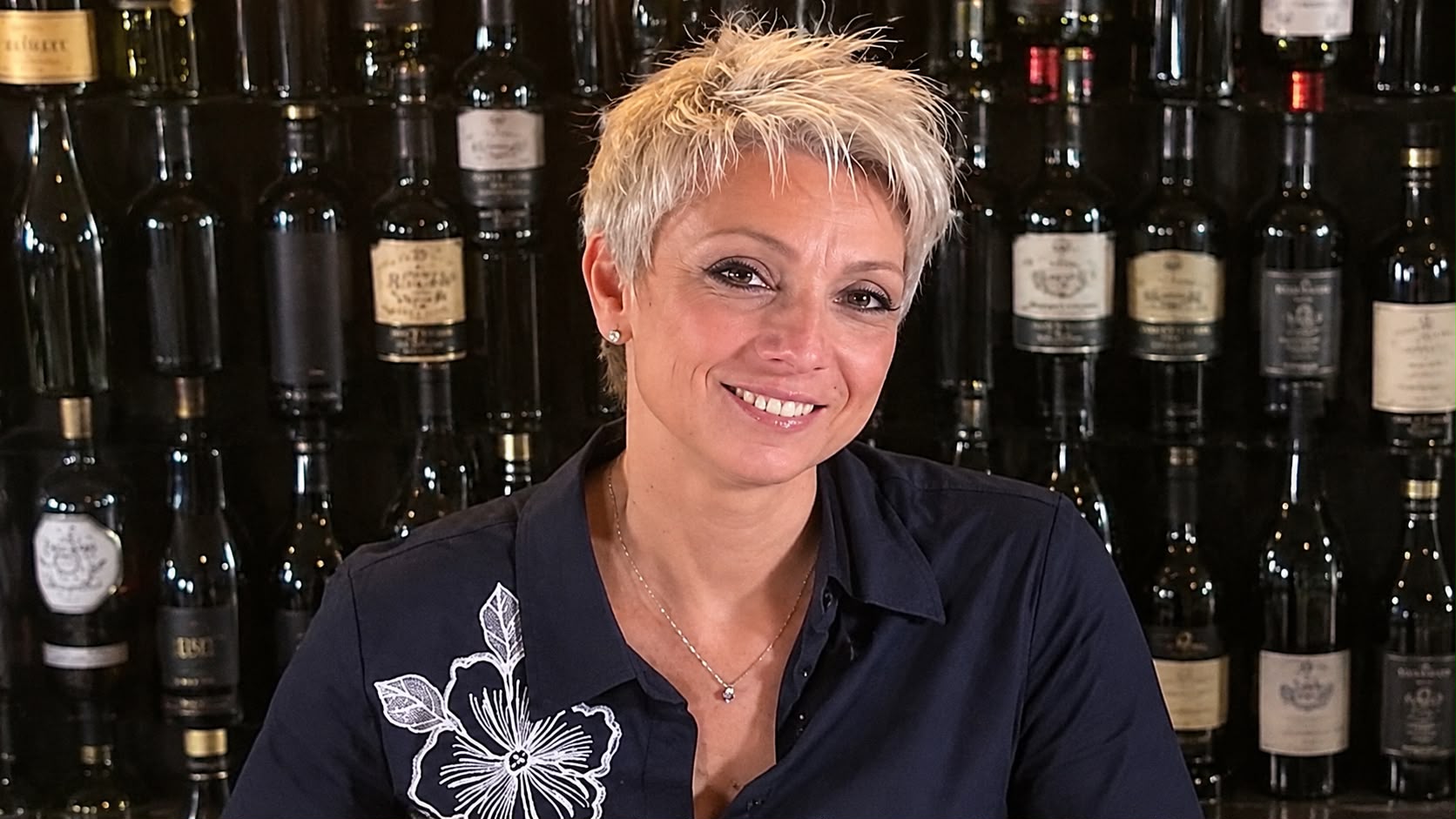
CANNES (France) — Veronica Sabbag spent 20 years as a European Union diplomat working in security and conflict management before founding United Voices for Peace, an NGO using music as a tool for peacebuilding and intercultural dialogue. She is also the force behind Global Women in Music, a project born in Rome with the United Nations Symphony Orchestra to restore female composers and conductors to the world’s greatest stages. Italy Now met her at the World Women Foundation, Cannes Film Festival, May 2026.
Q. You spent two decades in EU diplomacy. What made you leave that world for music?
“I noticed that traditional diplomatic tools were not working the way I expected them to. Half of me is a diplomat: rational, analytical. The other half is extremely creative. I thought: what if I mixed those two backgrounds? What if I introduced music into global peacebuilding?”
Q. Global Women in Music launched around International Women’s Day 2023 with the United Nations Symphony Orchestra. For listeners who have never heard a female composer named in a concert programme, what exactly are we missing?
“We are missing women. We are missing women on stage, on global stages, on film screens, and in culture in general. The idea was to have the United Nations Symphony Orchestra, representing 193 countries, speak in one single voice and say: we want women. We want to hear their voices.”
Q. The project has a strong Italian connection. Where did it begin?
“It began in Italy, at UNESCO, with a UNESCO artist named Patricia Atkins-Keating. She was travelling the world, advocating for music as a new instrument of peace and diplomacy. We joined forces. We put together a concert in celebration of the 75th anniversary of the Universal Declaration of Human Rights, where women would write pieces inspired by that document, to be performed by the Orchestra dell’Accademia Nazionale di Santa Cecilia in Rome. Unfortunately, Patricia passed away in May, months before the concert. We decided to hold it anyway. I had promised her that no matter what happened, I would take this project to new heights. From Rome, I took it to New York.”
Q. That’s a remarkable origin story. Could Italy host a future edition?
“That would be lovely. For the second edition we produced a documentary, so I am also thinking that if we are not staging a full orchestral concert, perhaps on the sidelines of the Venice Film Festival we could hold a screening and a conversation about the underrepresentation of women in music and in music for film.”
Q. If a young Italian girl is listening right now, picking up a violin or sitting at a piano, what do you want her to know?
“You can do it. You have to do it. And we will help you do it. We open doors. It was tough and it took years, but you will get a real chance to make your voice heard.”