TRIESTE — Few Italian brands are as closely tied to a city as illycaffè is to Trieste. From this port, Andrea Illy has led one of the boldest expansions in Italian coffee. Grandfather Francesco founded illycaffè in 1933.
Q. How important is Trieste to the identity of illycaffè?
“Trieste is a great coffee capital and the most important port in the Mediterranean. This root in Trieste is also a coffee culture that we work hard to nurture and keep alive.”
Q. How big has the company grown?
“The Trieste roasting plant opened in 1965 to produce 600 tonnes. This year we will reach 27,000 tonnes, and a new facility being tested will let us double capacity again. We are present in 144 countries, with more than two thirds of sales outside Italy. The USA is the top foreign market.”
Q. The brand is known for its design as much as its coffee. Where does that philosophy come from?
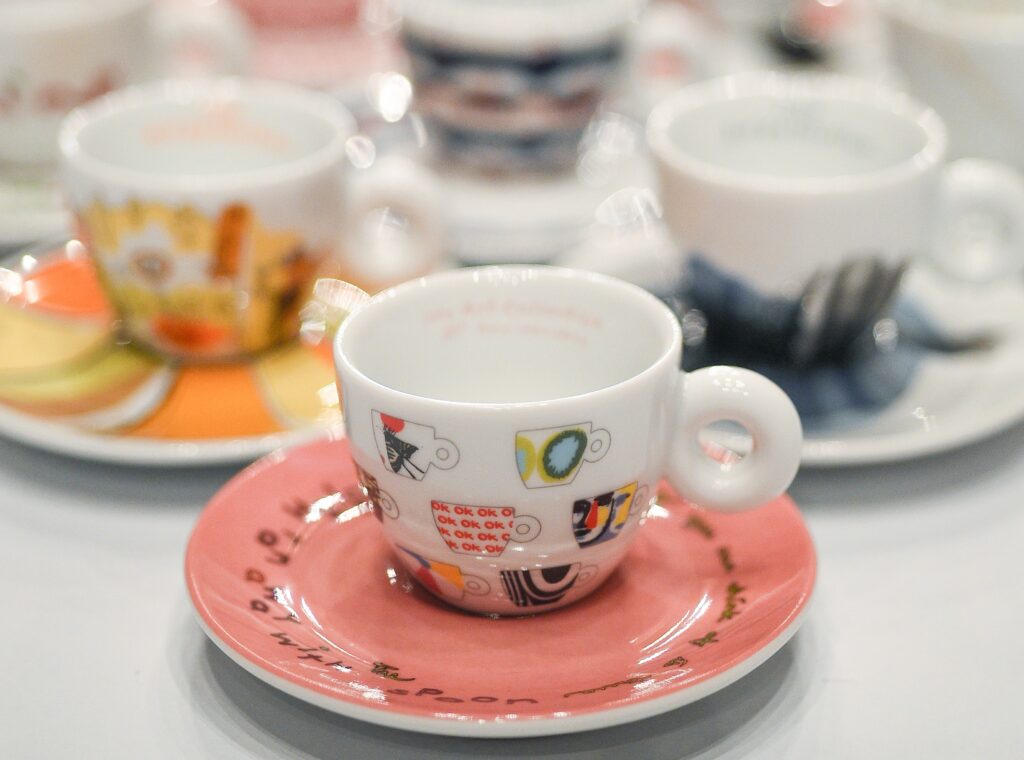
“There is a word in ancient Greek, kalokagathia, meaning beautiful and good at once. An espresso is an aesthetic experience of smell, taste and touch, but vision is the most direct channel. We focused on the cup, then the tin, now an icon, and then the coffee machine.”
Q. You have only two categories of blend: classic and classic intense. Why did you make this choice?
“For us, what matters is quality. With a blend, we can produce the highest quality. The quality of the raw material, which for us comes from 20 countries, is fundamental. It’s like an orchestra with many instruments; we can create elegance and balance out the highs and lows of the harvest.
Q. Sustainability is central to your strategy. Why?
“Sustainability is an inexhaustible source of competitiveness for us. We could not motivate our farming communities if we did not put them in a position to invest and grow. We must pay them fair prices. Quality and sustainability are two sides of the same coin. If you do not produce sustainably, you will not have quality, and the reverse is equally true.”
Q. What has illycaffè done practically to address climate change, given that studies warn up to 50 per cent of current coffee-growing areas could become unsuitable for cultivation?
“We went back to basics, starting from the soil and farmers. We founded the Università del Caffè to transfer formal knowledge, and some loyal suppliers have sold us coffee for 35 consecutive years without quality problems. We moved into regenerative agriculture, based on biodiversity and soil science rather than agrochemicals.”
Q. And now you are taking that model beyond coffee entirely?
“This work on regenerative agriculture led us to found the Regenerative Society Foundation, whose goal is to apply regenerative economics across sectors. The model creates not only profits for shareholders, but wellbeing for stakeholders in the form of health, happiness, inclusivity and prosperity, while regenerating the environment. Its two pillars are the circular economy and ecosystem regeneration.”