MILAN — The World Monuments Fund (WMF) has opened its first Italian office in Milan, marking the New York heritage organisation’s deepest commitment to the country in six decades. Its first project, the restoration of the Golden Room at the Poldi Pezzoli Museum, began this month.
The fund is a non-profit that pays for the conservation of historic buildings and sites around the world. Its Italian work dates back to the floods that submerged Venice and Florence in 1966, when the fund’s founder, the American Colonel James Gray, mobilised international support to help both cities.
Six decades
“Italy is where the history of World Monuments Fund began, and it continues to be central to several of our most important projects,” said Fiorella Ballabio, Executive Director of the World Monuments Fund in Italy. “Cultural heritage is something alive and deeply human, capable of preserving memory, identity, and meaning across generations.”
Since 1966 the fund has committed more than $23.5 million to 84 projects across Italy, from archaeological sites and synagogues to cathedrals and museums, with major campaigns in Rome, Florence, and Venice. A permanent Milan office is due to open in early 2027. For now the team is based at the Poldi Pezzoli.

The Golden Room
The museum was once the home of Gian Giacomo Poldi Pezzoli, a wealthy Milanese nobleman who died in 1879. He left the city an exceptional collection of jewellery, arms and armour, decorative arts, and Renaissance paintings by Botticelli, Bellini, Crivelli, and Pollaiolo.
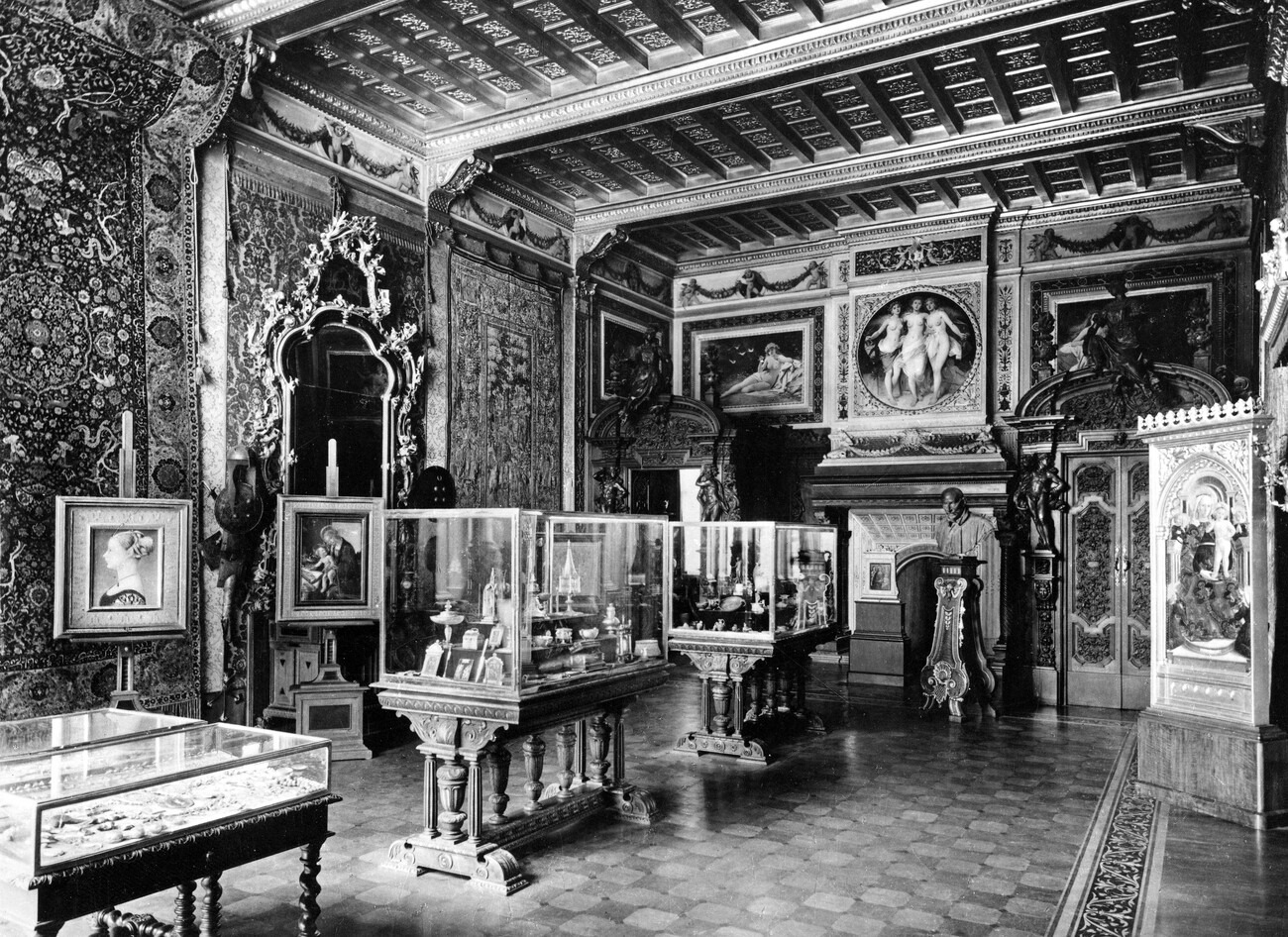
Its Golden Room pioneered the period room, a display technique that recreates a complete historic interior rather than hanging works in isolation. The approach later shaped the Isabella Stewart Gardner Museum in Boston and The Frick Collection in New York.
Hidden features
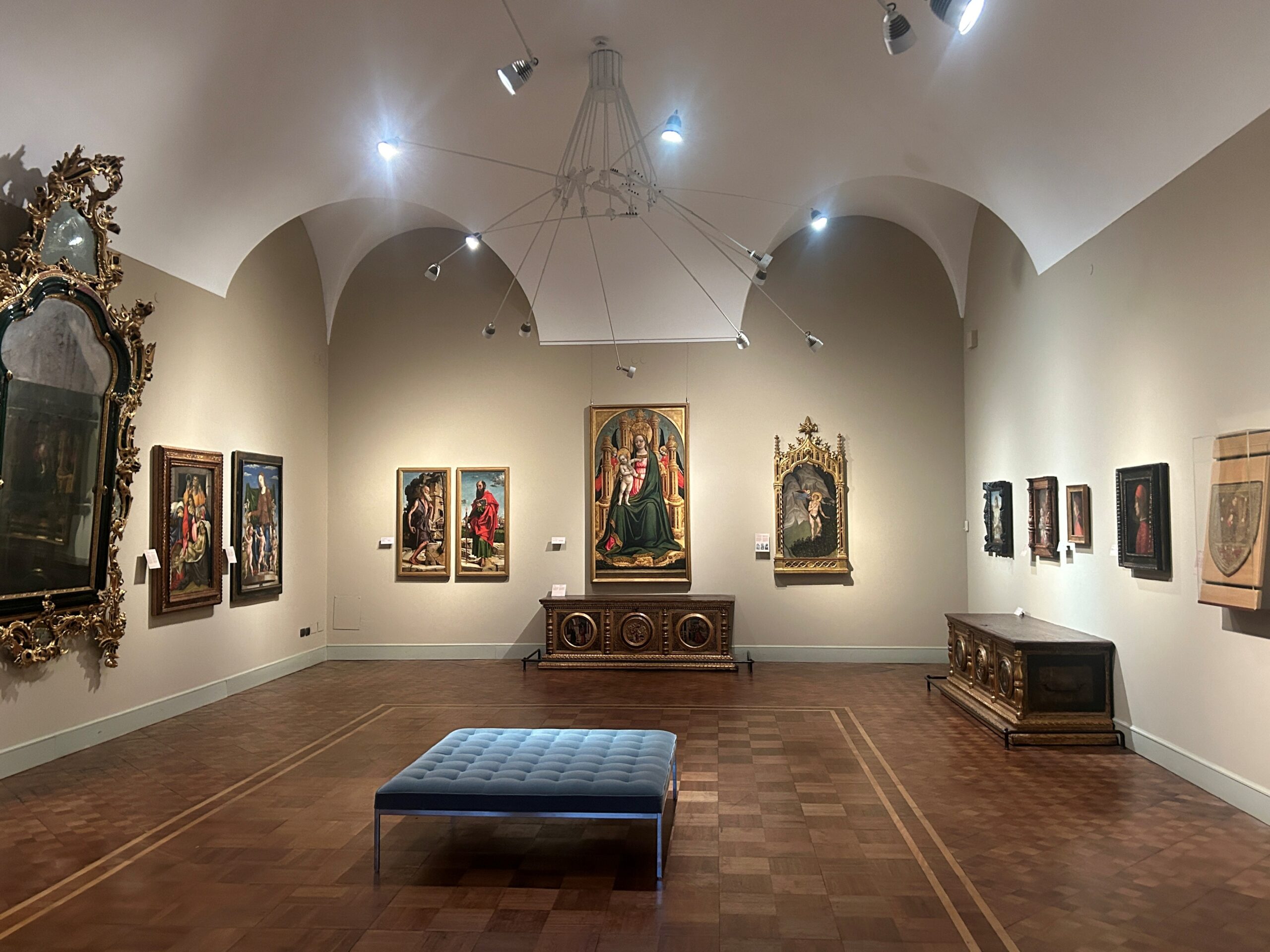
Allied bombing damaged the room in 1943, and postwar repairs altered it further. The restoration aims to recover its original proportions and decoration, reuniting scattered elements and uncovering features hidden since the Second World War. The work will also uncover a Serlian window, a three-part arched opening with marble and bronze detailing, concealed for decades behind a false ceiling.
The museum is due to reopen once work is complete. For a city better known for fashion and finance, the project is a reminder that Milan also guards one of Italy’s quietest treasures, and that preserving it is now a shared effort between a New York foundation and Milan’s house museum.