GORIZIA — For half a century this was a city with a wall, then a fence, running through its eastern edge, the kind of place atlases used as a cautionary tale. So there is something pointed in how Gorizia has marked its history, not with a monument to division but with a museum devoted to silk.
The Museo della Moda e delle Arti Applicate reopened in Borgo Castello on April 17, 2026, the last piece of a wider restoration of the quarter, and it arrives on the heels of the city’s year as European Capital of Culture, a title shared across the old frontier with Nova Gorica on the Slovenian side.
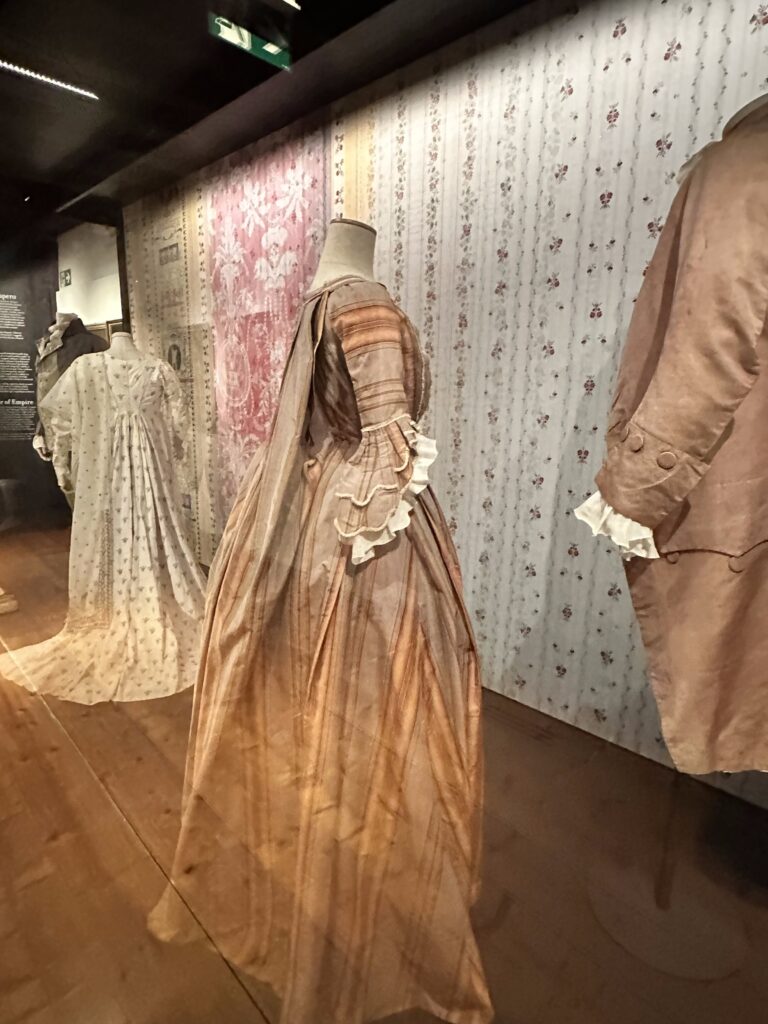
The collection runs to roughly 10,000 objects and traces European fashion from the eighteenth century to the mid-twentieth, one of four civic holdings in a complex whose Provincial Museums were founded in 1861. What lifts it above the regional norm is the economic story under the frocks. Silk was central to the County of Gorizia in the eighteenth and nineteenth centuries, when the Habsburg empress Maria Theresa championed mulberry cultivation and the trade tied this town to Vienna and Trieste.
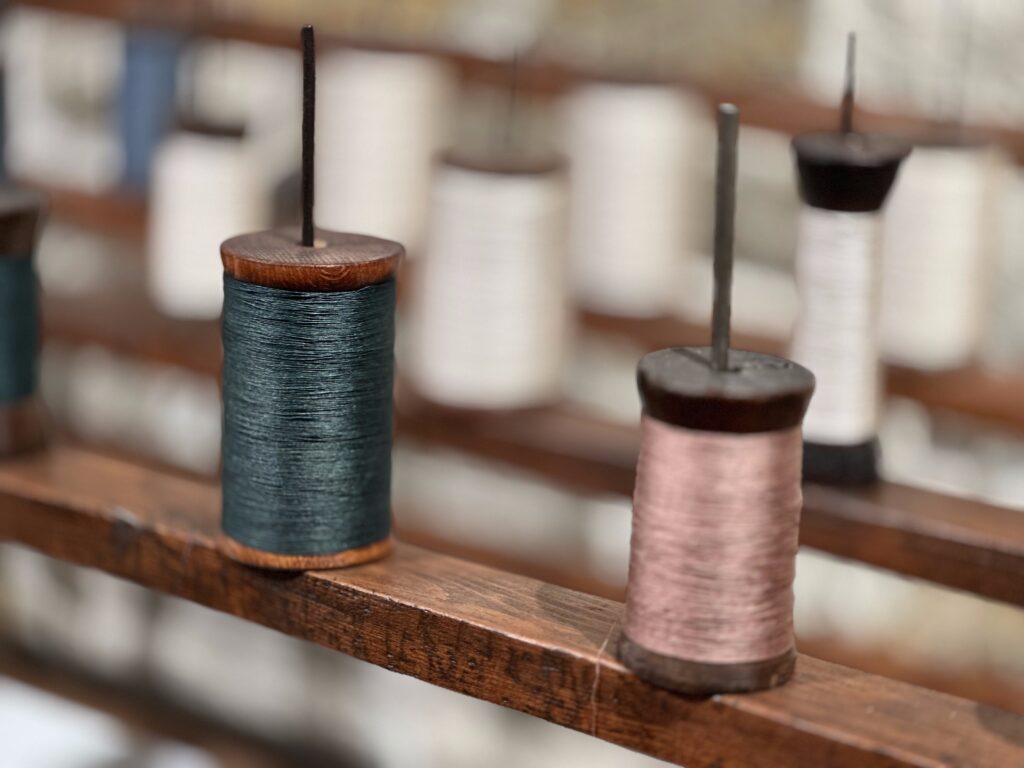
Among the machinery on show is a hand-powered torcitoio, which twisted raw thread strong enough to weave, and which the museum calls the only surviving manual example in Italy. Nearby, a bobbin-lace tradition dating to 1672 is a reminder that fashion here began as industry long before it became display.
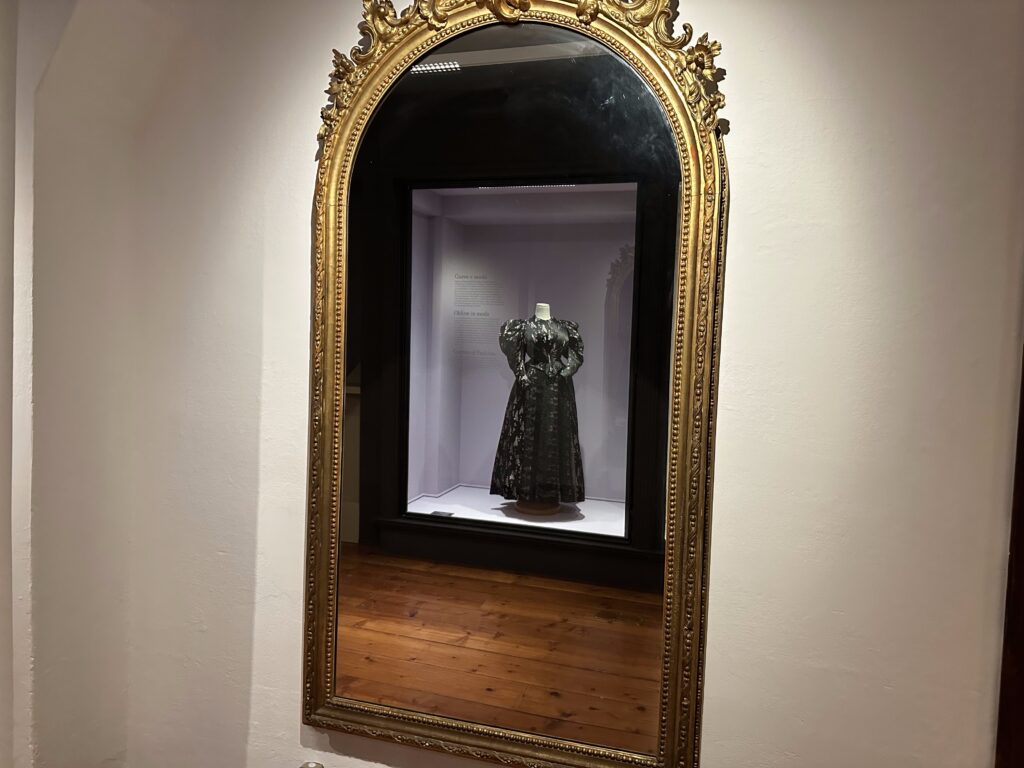
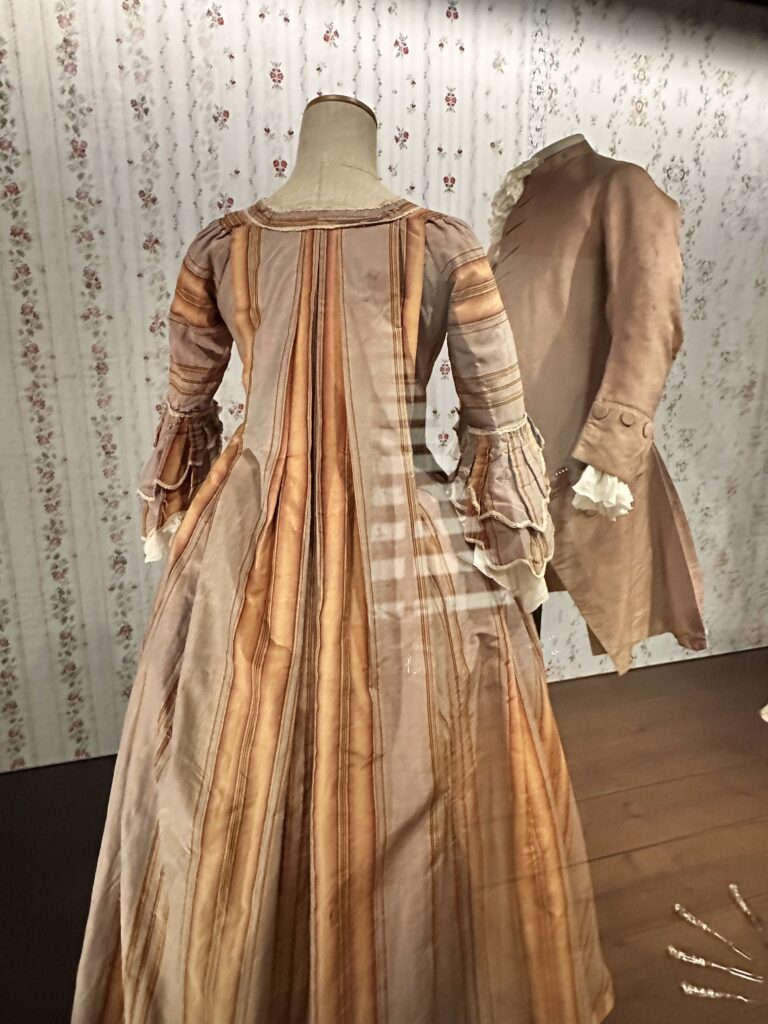
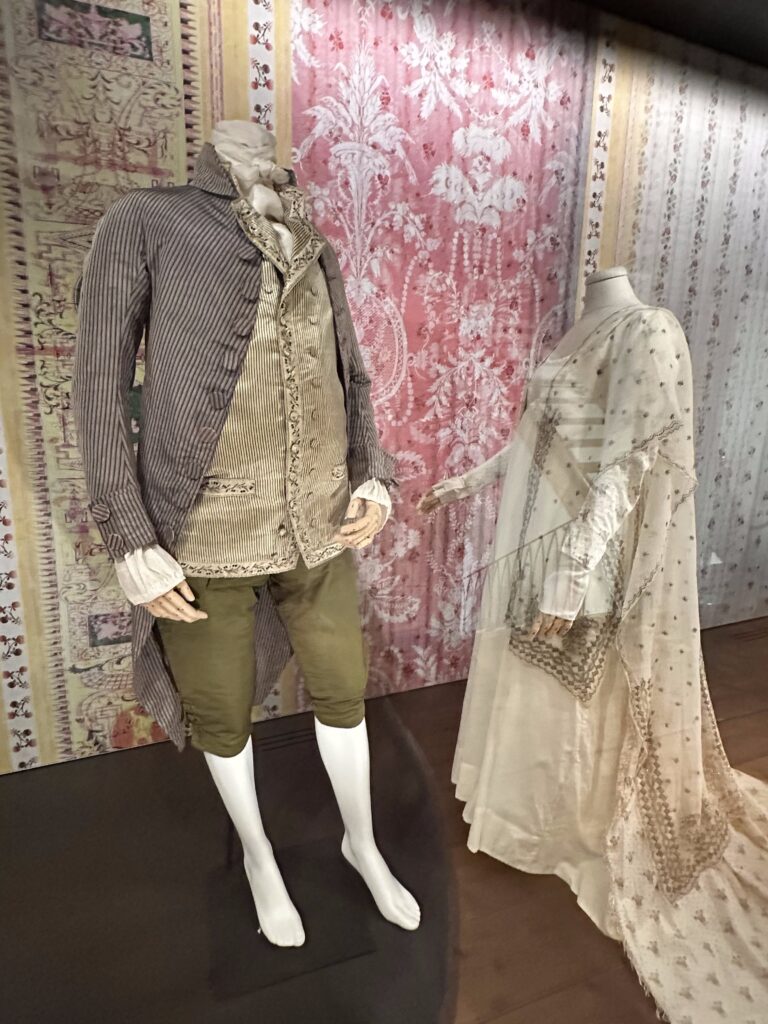
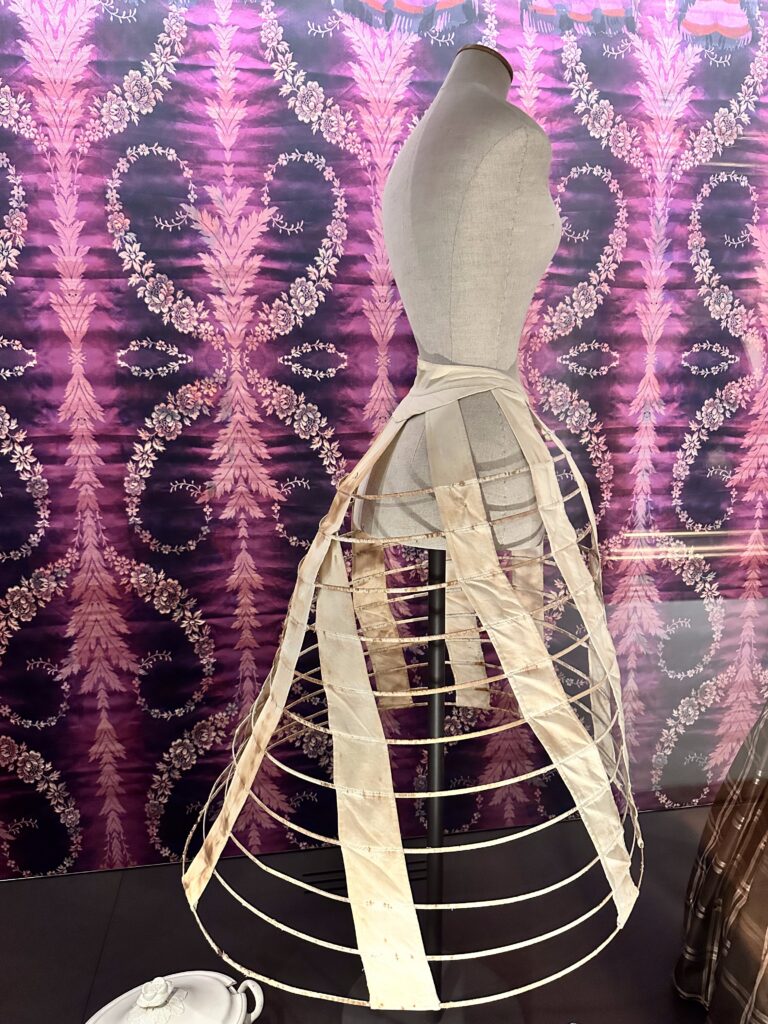
“Fashion is a significant mirror of society,” Raffaella Sgubin, who curated the new layout and runs research and museums for the regional heritage agency ERPAC, told Italy Now.
The reopening was paid for with PNRR money, Italy’s slice of the European Union’s post-pandemic recovery fund, within a roughly €4.86m restoration of the Borgo Castello museums, of which about €383,500 went to the fashion museum. Some of that bought objects rather than scaffolding, including much of the period costume now displayed across the Case Dornberg, Tasso and Formentini.
It is a familiar wager, that culture can make a peripheral place attractive enough to keep, and a sharper one than usual because of where it sits. A border town spent decades defined by what cut through it, and is now spending European money to be defined by what it made instead, reading the city through its looms rather than its checkpoints.