VENICE — Visits to Venice’s historic naval museum jumped 51.5 percent in 2025, reaching 57,000, as a wider public began discovering a collection guarded as a well-kept secret among insiders.
For years it was a closely held favourite of sailors, cultural experts and Venetians in the know, overlooked by the day crowds heading for San Marco. Now, the Museo Storico Navale‘s recent relaunch has not passed unnoticed and is attracting an increasing number of visitors.
The collection contained in the museum tells how Venice built its power on the water. Across five floors near the Arsenale, in a former granary, it holds ship models, instruments, weapons, war galleys, and gondolas. A separate hall, the Padiglione delle Navi, the ships pavilion, displays full size historic vessels and models of the Bucintoro, the Doge’s ceremonial barge. Visitors can also board the submarine Enrico Dandolo.


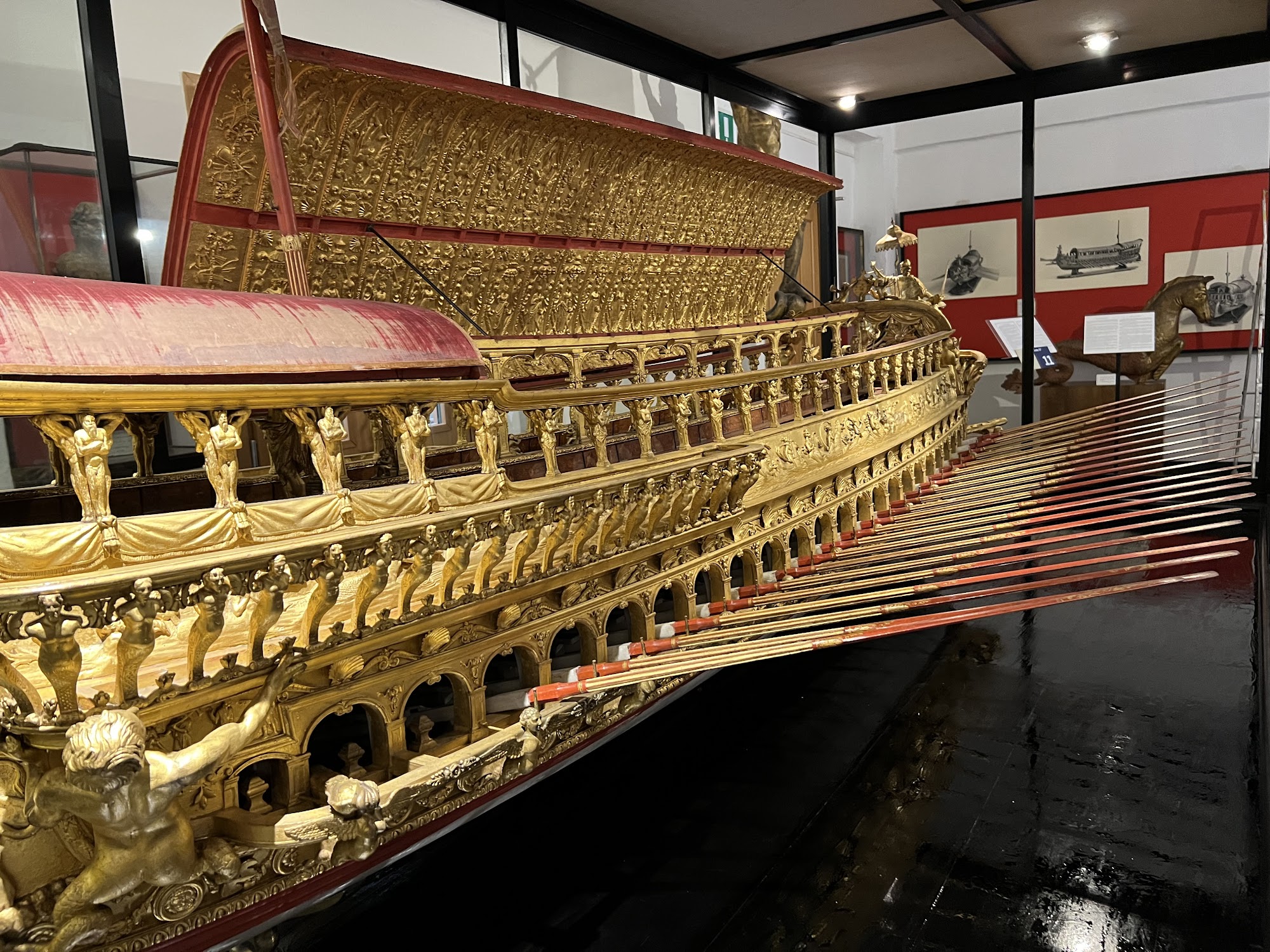

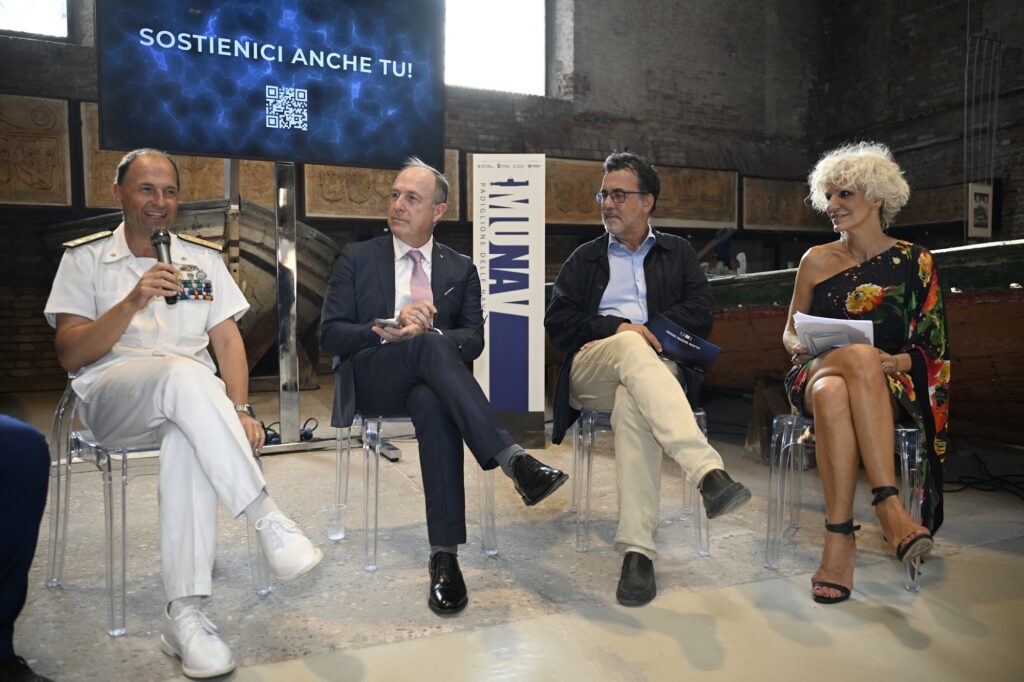
“Inside these walls they built the galleys, and here the oars were made and delivered,” said Rear Admiral Domenico Guglielmi, who commands the Navy’s maritime studies institute in the Arsenale. “Venice was a great maritime power. Without seeking to dominate, simply seeking freedom of trade, it grew rich, and in that wealth it spread wellbeing to all,” he told Italy Now, pointing to how this was reflected in the richness of the vessels.
Unlike the crowded palaces of the centre, the museum offers a quieter route through centuries of seafaring, long travelled mainly by enthusiasts who guarded the secret well.
Patronage
In addition, this week the museum turned that momentum into a fundraising drive built on tax breaks and private patronage. At its centre is Art Bonus, a state scheme that returns 65 percent of a cultural donation to the giver as a tax credit. The money will fund the restoration of the Motozattera MZ 737, a naval landing craft, and access work on the granary.
“The cost of maintaining a place like this far exceeds an ordinary budget, so outside donations are necessary,” Guglielmi said. Running it now falls to D’Uva, the company that Difesa Servizi, the defence ministry’s in house firm, appointed after the Navy stepped back from daily management.
A register of patrons
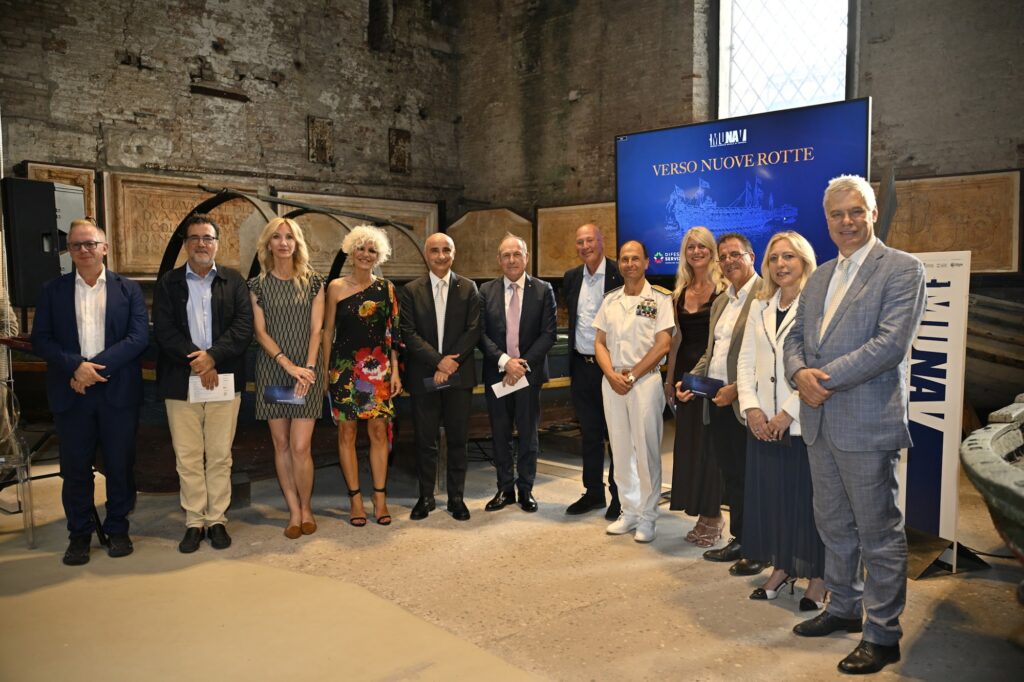
The museum also named its first Albo degli Ambasciatori, a register of patrons from culture, business, shipping, and research, among them the art historian Luca Massimo Barbero and Irinox chief executive Katia Da Ros.
“With Nuove Rotte we want to open a new phase, a path of shared growth with institutions, businesses, and citizens,” said Ilaria D’Uva, who runs the museum.