LONDON — Five women whose work shaped postwar Italian cinema, yet rarely earned screen credit, take centre stage in a free exhibition opening at Regent Street Cinema in London running through most of this week.
The show celebrates screenwriter Suso Cecchi d’Amico, documentary director Cecilia Mangini, production manager Mara Blasetti, assistant director Isa Bartalini, and script supervisor Anna Gruber. Its title borrows film budgeting language, where “above the line” covers writers and directors and “below the line” the craft crews, work often done by women and rarely named.
Through rare archival photographs and biographies, it gives visibility to contributions overlooked in an industry that men dominated. Produced by Nervosa Pictures and commissioned by the University of Warwick, the London edition builds on a show first staged in Bologna, in the Emilia-Romagna region, last summer.
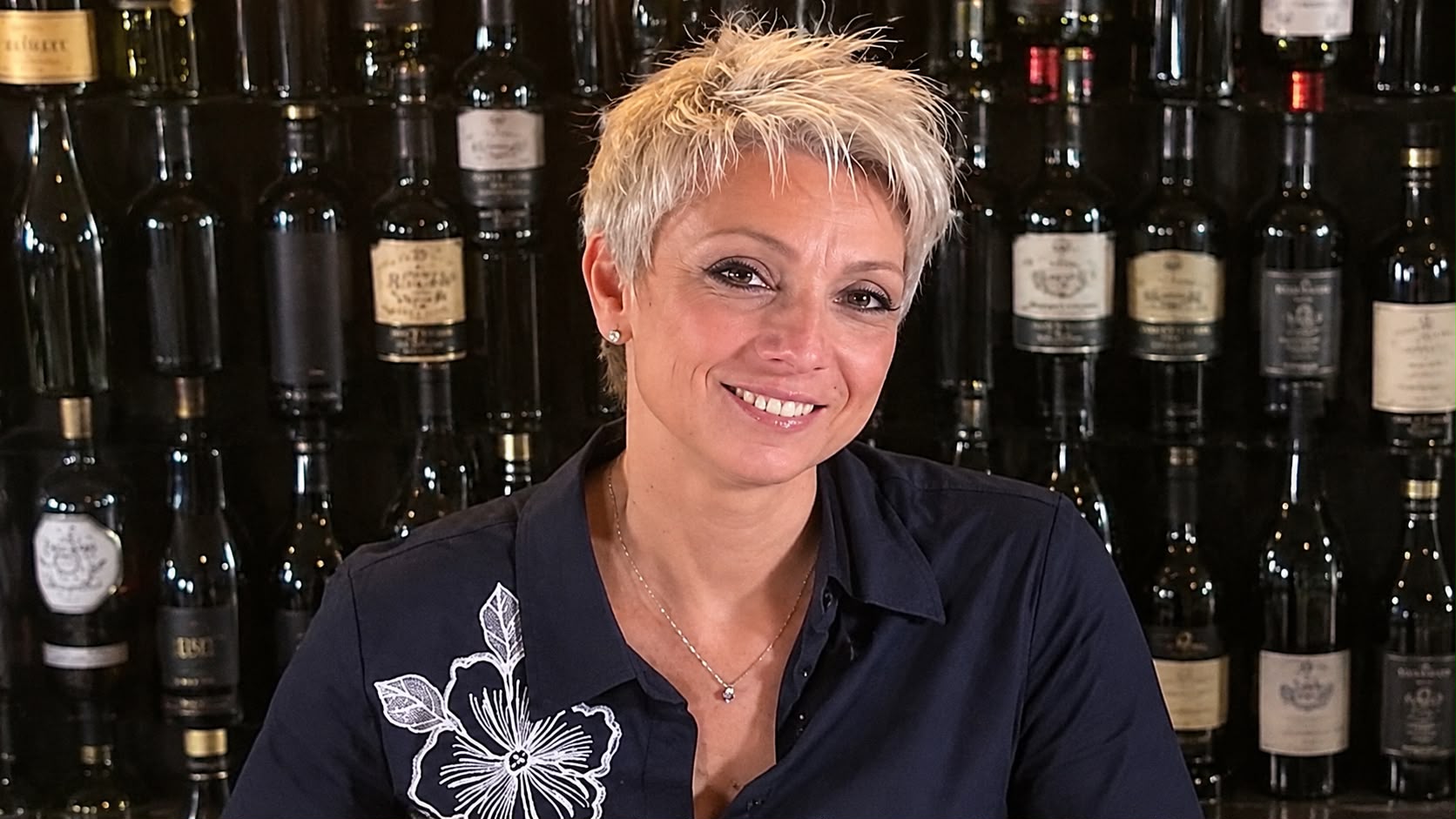
“Bridging the UK and Italy’s culture and communities, with a focus on women stories and voices, is a crucial part of this exhibition, and what drew me to be involved,” said film director Alessandra Gonnella who organised the event through her production company Nervosa Pictures.
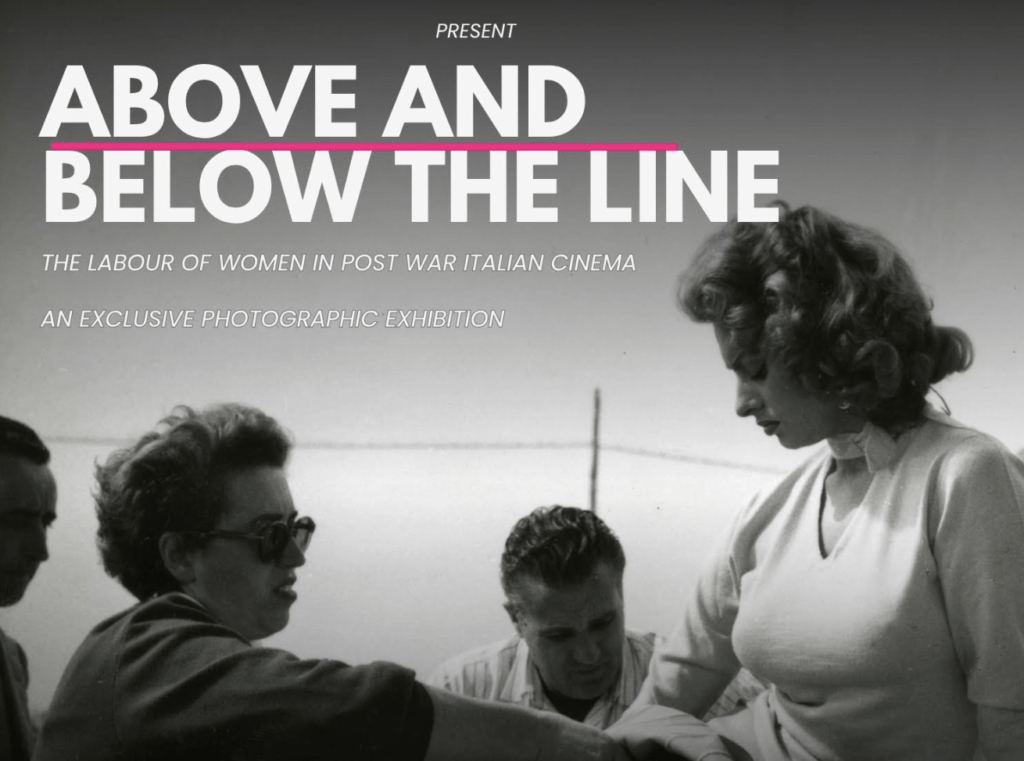
Cecchi d’Amico, who died in 2010, ranks among the most celebrated screenwriters in Italian film history. Across six decades she wrote for Bicycle Thieves and The Leopard, the latter a long partnership with director Luchino Visconti. The exhibition poster shows another of the five, Isa Bartalini, beside actress Sophia Loren.
Archive to conversation
Mangini, who died in 2021, was the first woman to make documentaries in postwar Italy. Her 1965 film Essere donne (Being Women) examined female labour directly, a theme the exhibition now turns on the industry that filmed it.
A launch event on July 3 paired interview extracts with a panel of contemporary Italian women working as editors, directors, and producers, moderated by Gonnella. On July 10, a screening of Il Gattopardo (The Leopard), which Cecchi d’Amico helped write, closed with Warwick professor Stephen Gundle and Visconti scholar Rossana Capitano.
The project also draws on research with Oxford Brookes University and the Cineteca di Bologna, Italy’s national film archive, funded by the Arts and Humanities Research Council, Britain’s public body for arts research.
“Below the line roles receive less recognition than actors and directors, and cinema remains a strongly male world,” said Sakis Lalas, director and founder of Dark Candy Productions, “yet Cecchi d’Amico imposed herself through talent alone, a name the public has known for three generations.”
Decades after these women stood just outside the frame, their names finally appear on a London wall.