HERCULANEUM, Campania — The Galleria Martusciello reopened to the public this week, restoring a walking route of more than 100 meters that descends from modern Herculaneum, Campania, to the ancient shoreline of Herculaneum, the Roman city buried by the eruption of Mount Vesuvius in 79 AD.
“Today’s travellers are increasingly seeking meaningful, immersive experiences, and the reopening of the Galleria Martusciello delivers exactly that,” said Fulvio De Bonis, CEO of travel company Imago Artis Travel. “It offers a rare opportunity to experience Herculaneum not only as an archaeological site but as a place where history can be felt on a profoundly human level.”
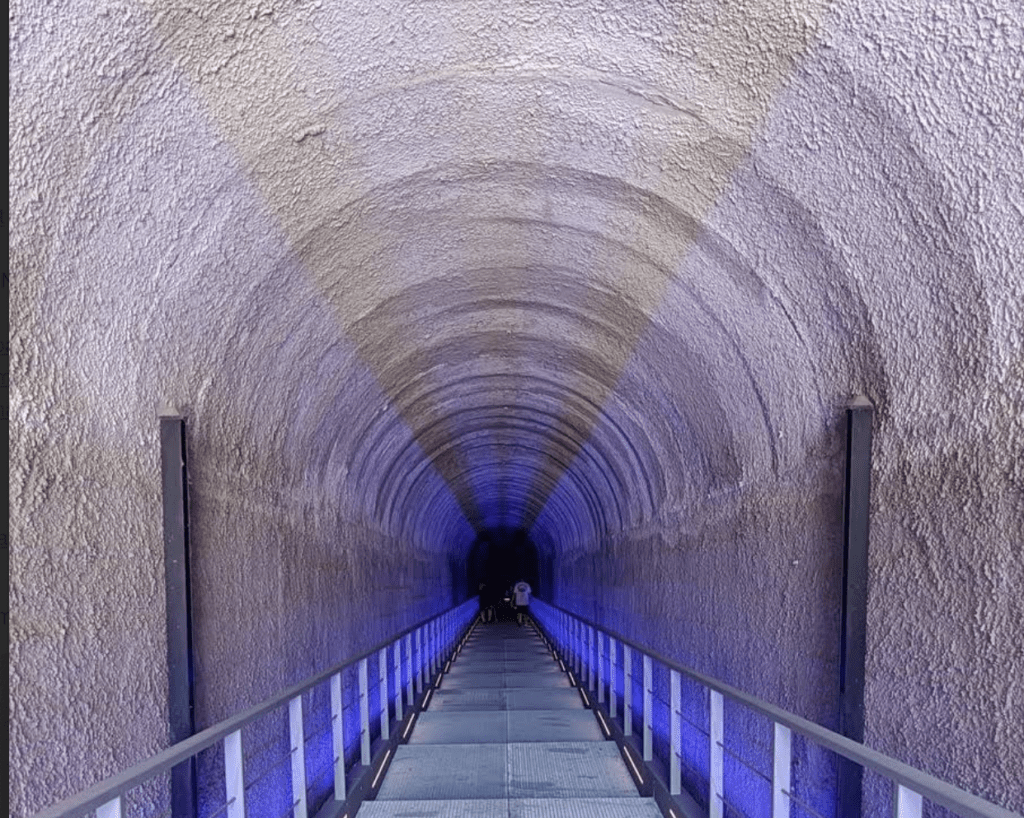
The tunnel is cut through the volcanic material that sealed the city, so walking it means descending through the eruptive layers themselves to the level of the ancient sea.
“Reopening the Galleria Martusciello means giving visitors an experience that goes beyond a simple visit. It is the chance to relive, as you walk, the same gaze that fell on this city two thousand years ago, arriving from the sea,” said Federica Colaiacomo, director of the Archaeological Park of Herculaneum.
At the bottom, the route reaches the fornici (vaulted boat shelters) where the remains of about 300 victims of the eruption were found. Hundreds of residents spent their final night there, waiting for an escape by sea that never came.
Descent through ash
The reopening completes the same programme of works that restored the Antica Spiaggia (the ancient beach) and the seafront, opened to visitors in June 2024, and that aims to reconnect the shoreline visually with the Villa dei Papiri. The park directed the works with the Packard foundation, which drew up the executive design.
Inside the tunnel, the old walkway grating that covered the tuff steps has been replaced by a new system integrated with the lighting. The design also simplifies maintenance of the basins and pumps that drain the beach.
New lighting
One lighting system runs along the walkway for safe footing, while a second, hidden between ramp and rock, washes the tunnel in indirect light that shifts through countless colours, some evoking the eruptive material.
Visitors arriving by boat two thousand years ago saw the city open before them exactly this way, first the boat shelters, then the monumental terrace of Marcus Nonius Balbus, built to impress those who came from the sea. The approach now works in reverse, and it still impresses.