
IGLESIAS, Sardinia — Italy’s environmental research institute has successfully last month concluded a summer school in Sardinia’s historic Monteponi mining district, the second edition of a program built to rebuild scientific and technical mining skills the country has lost over recent decades.
The Institute for Environmental Protection and Research, known by its acronym ISPRA, ran the program over five days from September 21 to 25 with the Italian Geological Society and the Italian Society of Mineralogy and Petrology.
“Italy must significantly strengthen its knowledge of its own subsoil, and to do so, it must first rebuild expertise,” said Maria Alessandra Gallone, president of ISPRA and of SNPA, Italy’s national environmental protection system. “Sardinia, with its extraordinary mining tradition, is the ideal place to restart from.”
“Reviving former mining communities is definitely a welcome initiative, especially in an area like the Sulcis Iglesiente, which has struggled economically for decades,” said Claudia Tavani, owner of Strictly Sardinia.
A Tuscan debut
The first edition ran last September at the San Silvestro Archaeomining Park in Campiglia Marittima, Tuscany. Moving the school to Monteponi, on the edge of Iglesias in southern Sardinia, brings it to ground with its own mining past.
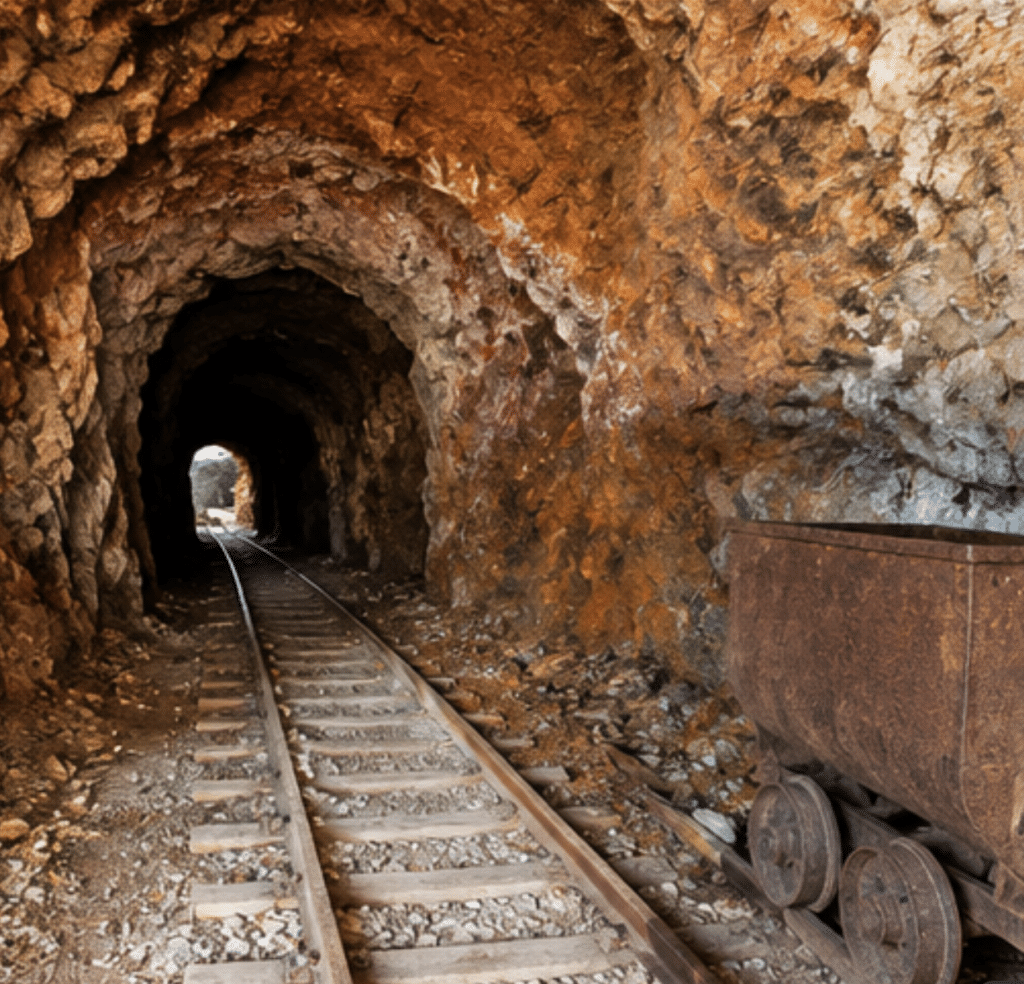
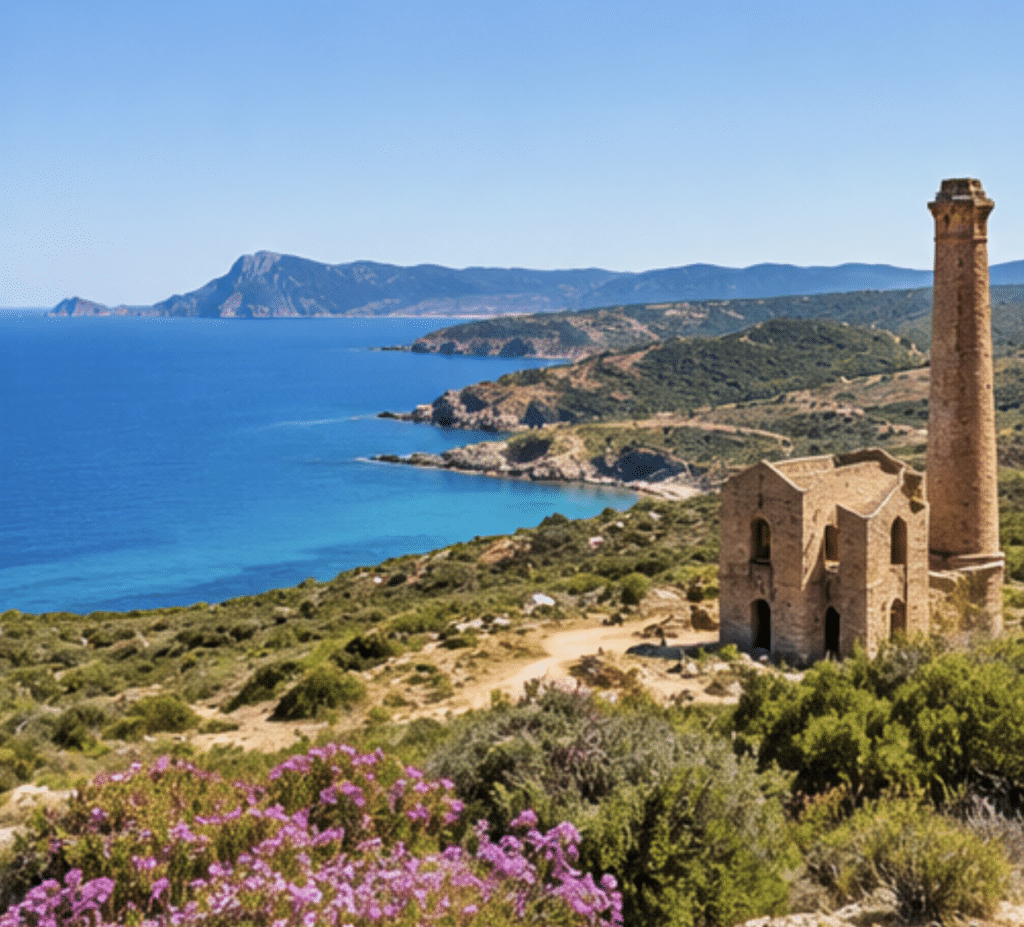
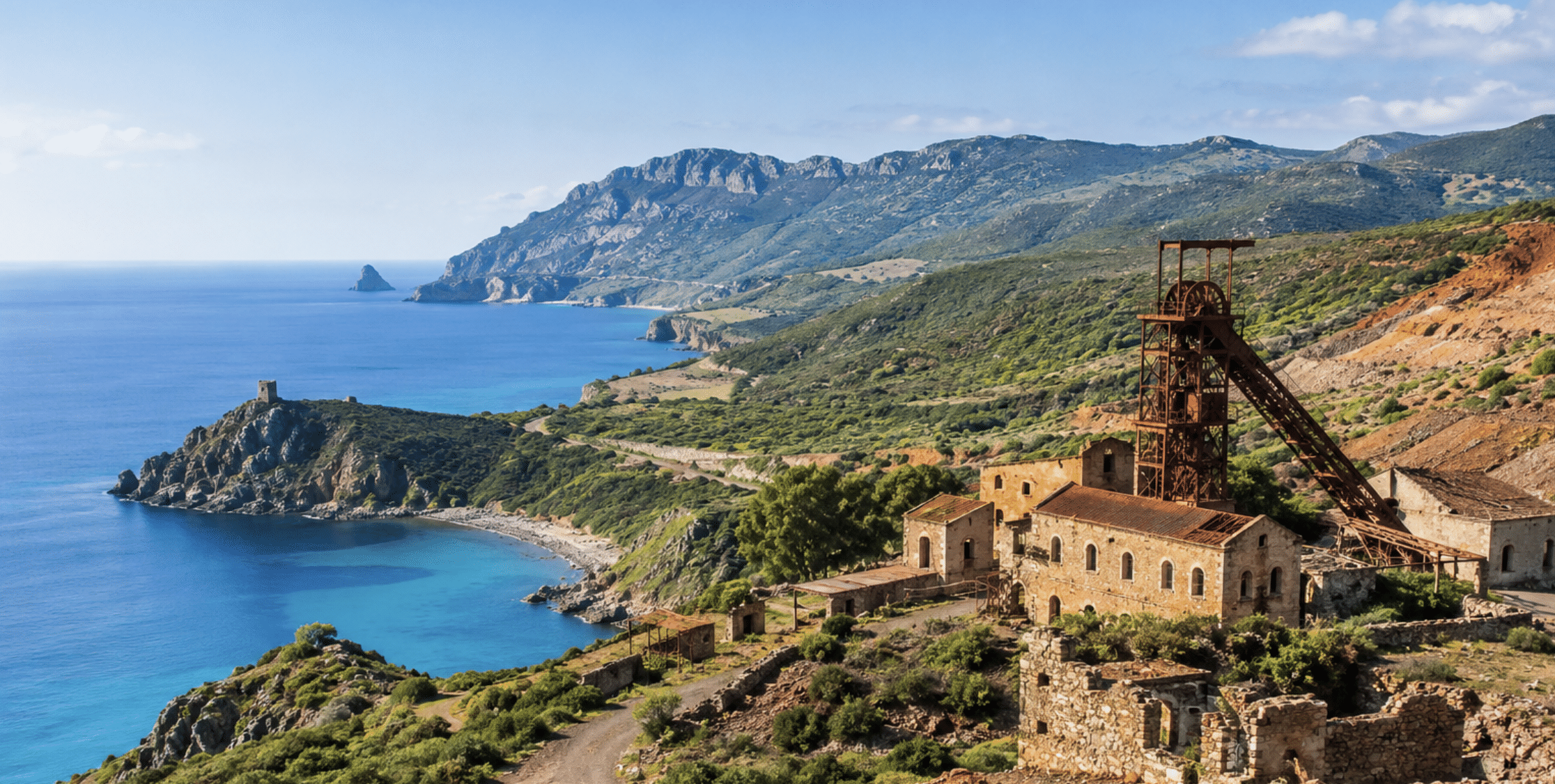
Monteponi’s lead, silver, and zinc mines ran for more than a century before closing in the 1990s, when falling metal prices and thinning ore made them unprofitable. The site now belongs to Sardinia’s Historic and Environmental Geo-Mining Park, one of the region’s efforts to turn that industrial legacy into a cultural and tourism asset.
Furtei and Silius
Students, researchers, and early career geologists spent part of the week in the field, at the former gold mine of Furtei and the active fluorite and lead mine of Silius, both elsewhere in Sardinia. Industry professionals will join them to discuss the roles geologists play in exploration work.
The timing follows a broader European push. Brussels passed the Critical Raw Materials Act in 2024, setting 2030 targets for extracting and processing more of the minerals needed for batteries, electronics, and steel, rather than relying heavily on imports.
Italy is not a major producer of those materials, but sites like Sardinia’s Sulcis Iglesiente district, where fluorite and other minerals still sit underground, have drawn fresh attention as the country tries to reassess what it has, using tools its own universities largely stopped teaching decades ago.
“Field schools come for a short time, villages need long-term jobs,” said Evgenii Arsentev, a doctor and founder of Dad4Kids, which makes educational games for children.