


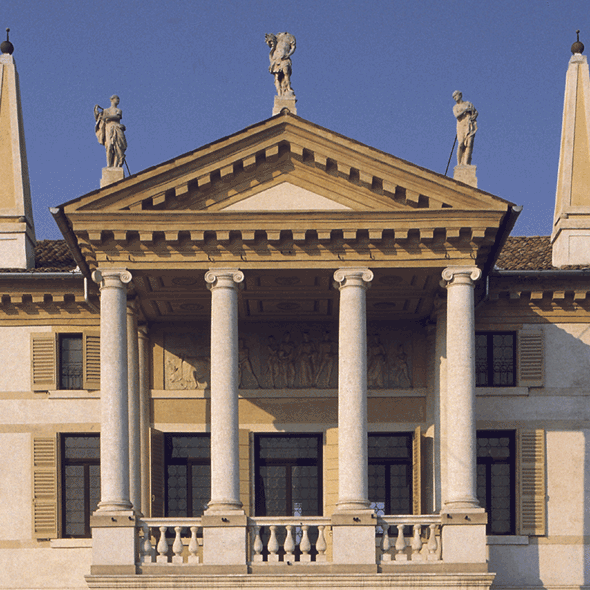
STRA, Veneto — A 17th century villa on the Brenta canal opens its shoe archive to the public on Saturday October 3, a rare look inside the district that makes shoes for global fashion houses.
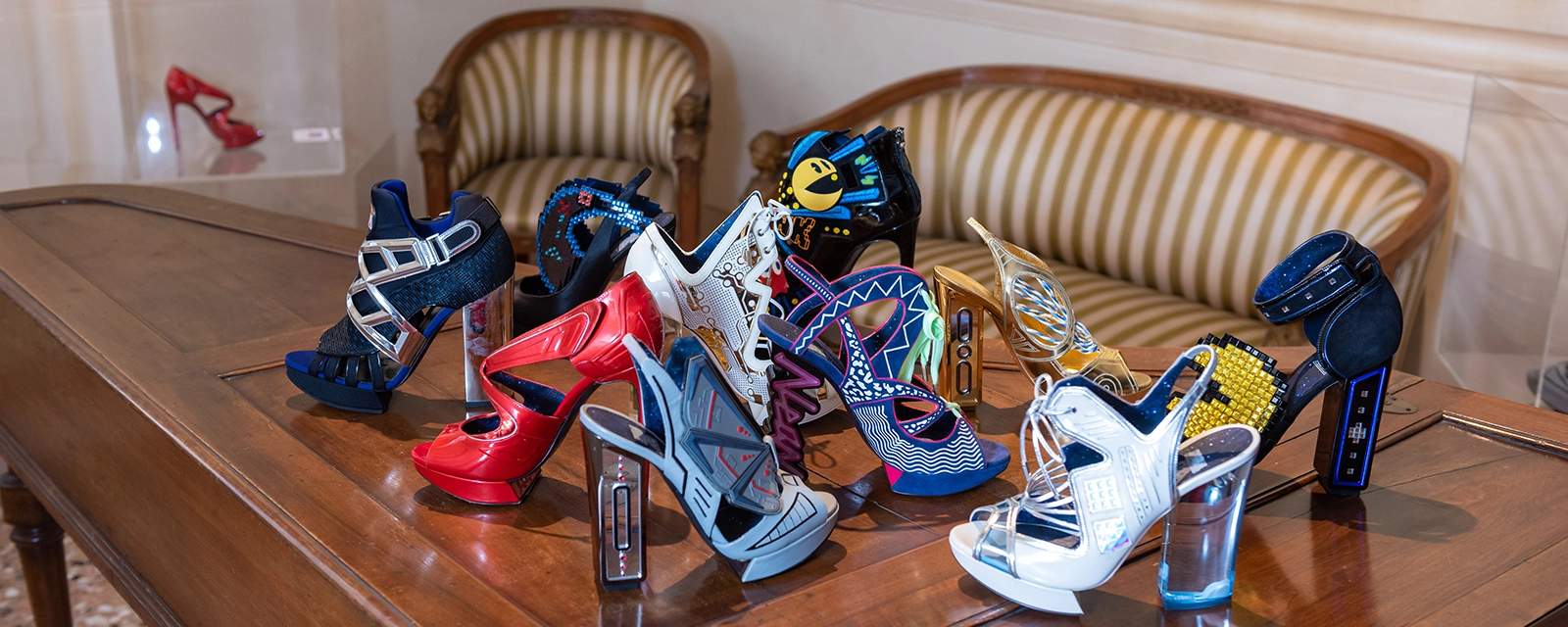
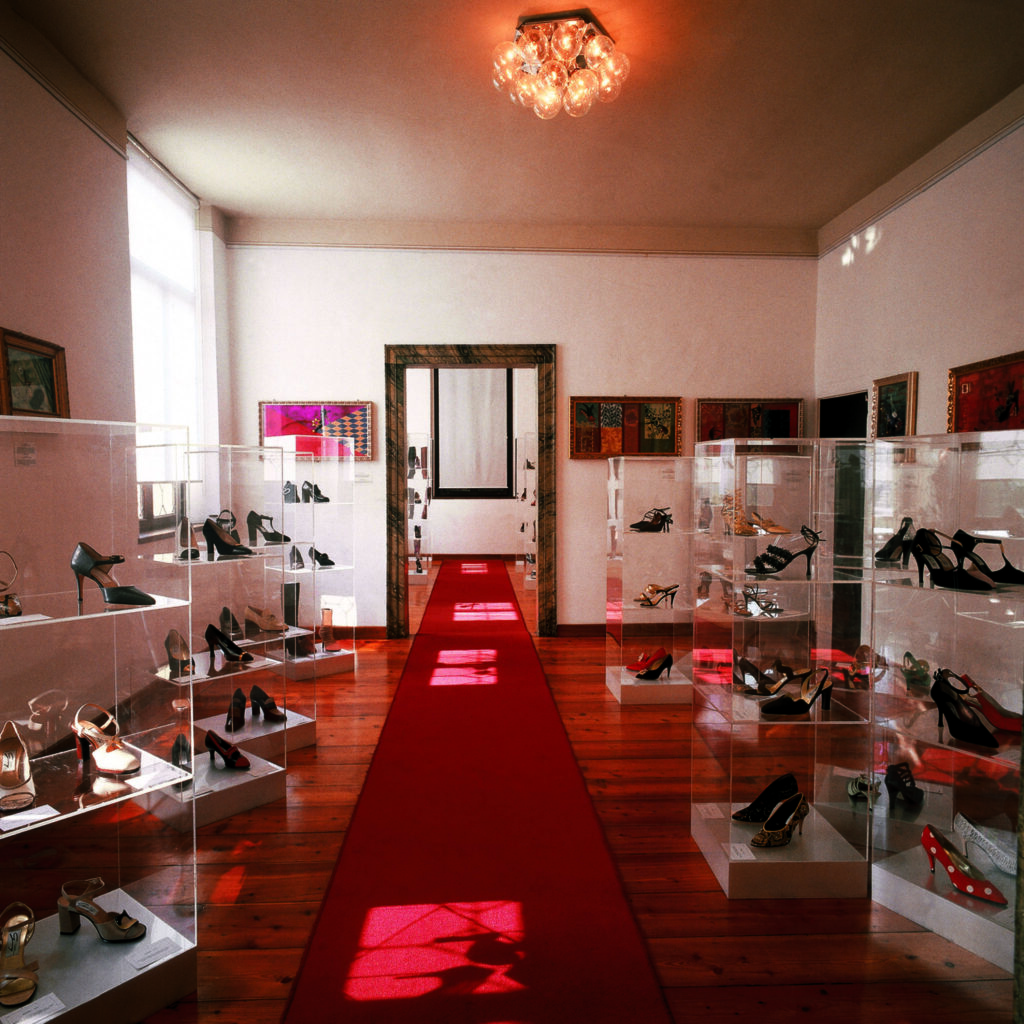
The free guided tour at the Museo della Calzatura (Footwear Museum) in Villa Foscarini Rossi, in Stra, Veneto, is part of Carte in Dimora, the national archives day of the Associazione Dimore Storiche Italiane (Italian Historic Houses Association). The museum shows 1,350 shoes made by Rossimoda for 21 international brands since the 1960s, drawn from a digitized archive of more than 18,000, the museum says.
The visit lands as Veneto’s shoemakers buck a national slump. “The Veneto footwear industry confirms its capacity to react to the difficulties of international markets,” said Massimo Bitonci, the region’s executive member for economic development, after exports rose 2.2 percent to €1.31 billion in the first half of 2026, ANSA reported.
Invisible supply chain
Between Venice and Padua, more than 500 firms in towns such as Fiesso d’Artico, Fossò, and Vigonovo make about 20 million pairs a year, with turnover of €1.8 billion, Forbes Italia reported. Some 82 percent bill under €5 million, while the 2 percent owned by international groups generate 35 percent of revenue.
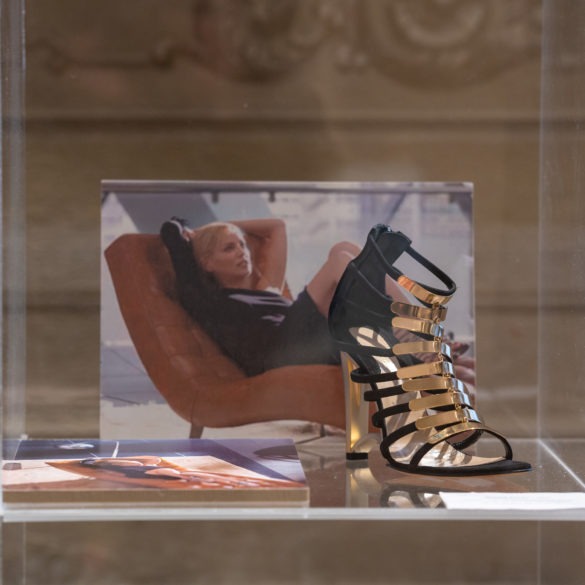
Rossimoda, now owned by the French luxury group LVMH, produces for houses such as Dior and Givenchy, Forbes Italia reported. Regia Shoes, a label launched in 2013 by designer Regina Favaron, is among the district’s independent brands, according to the company.
Stra’s industrial story began in 1898, when Luigi Voltan, who had sailed to Boston at 15, opened a shoe factory with modern American machinery, Forbes Italia reported.
National headwinds
Nationally, the picture is harsher. Footwear turnover fell 2.3 percent in the first half of 2026, and the sector lost 151 firms and 3,065 jobs, Pambianco News reported, citing Assocalzaturifici, the national shoemakers’ association.
“Our companies are reacting with determination to a situation marked by geopolitical tensions, slowing demand, and rising costs,” said Giovanna Ceolini, president of Assocalzaturifici.
Veneto is backing exporters with a new €20 million fund through Finest, its regional investment company, Bitonci said.
On Saturday, 25 visitors will walk past six decades of shoes made under other people’s names. The labels belong to fashion houses, but the skills, and the jobs, stay on the Brenta.