
ROME — Italy’s museums have never been busier, but the crowds are squeezing through ever fewer doors. Istat, the national statistics institute, last month said museum visitors are now 30.5 per cent above 2022 levels, with cultural tourism concentrated in a handful of major hubs.
Lazio, where the capital city of Rome is located, sits at the top of that map. Weighted by visitor numbers, the region has 6.79 museums, sites and monuments per 100 square kilometres, almost double the region of Campania where Naples is located.
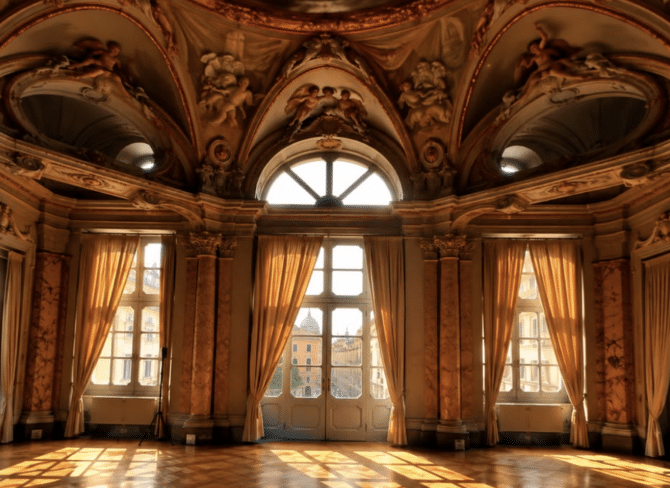
That imbalance is the backdrop to M.U.S.A. (Music, Urban, Style, Art), which runs free shows inside the Coffee House of Palazzo Colonna, a pavilion added to the palace between 1730 and 1733. Palazzo Colonna is located a stone’s throw from many museums in the city’s historic centre, and M.U.S.A aims to entertain a portion of the inflows with its innovative cultural offering.
The last three-day M.U.S.A. event closed in October, on the same day as Rome Art Week, the citywide festival of contemporary art. Its eleventh edition listed 513 free events and 713 artists. At least five M.U.S.A. exhibitors also appear on its artist roll.
Rome’s art calendar now turns to Roma Arte in Nuvola, the capital’s modern and contemporary art fair, from November 20 to 22. Crocitto’s catalogue points to a second M.U.S.A. edition from December 5 to 8.
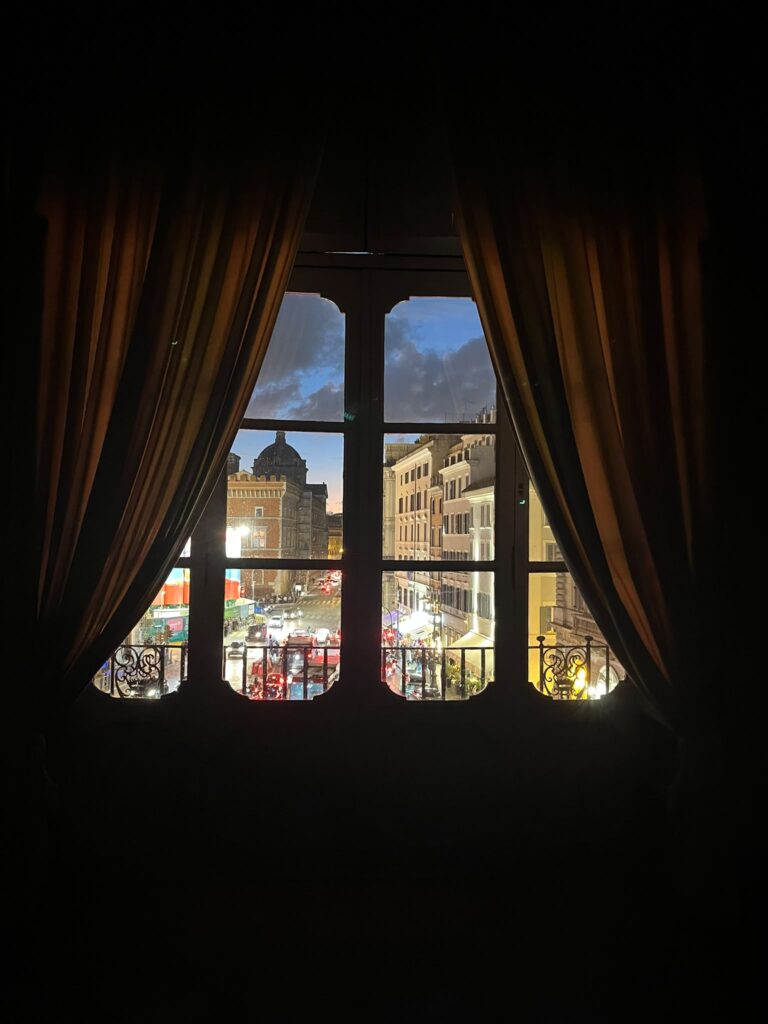
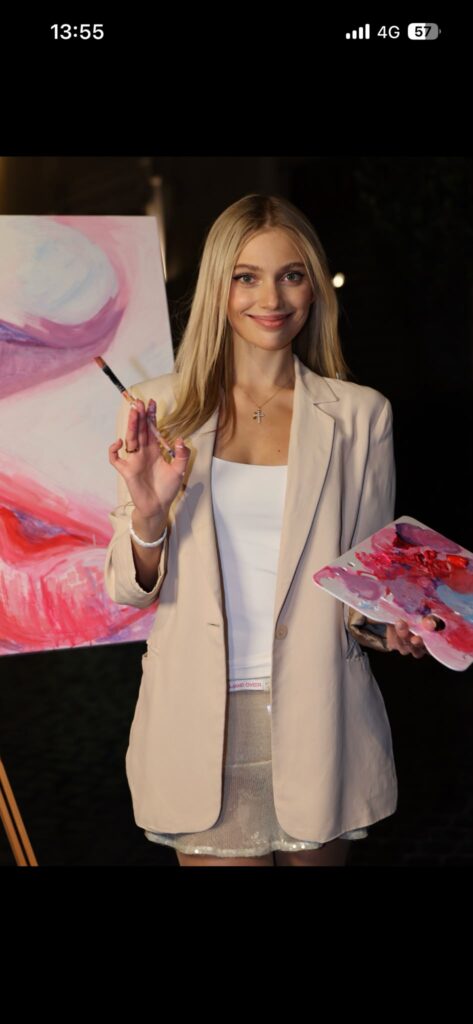
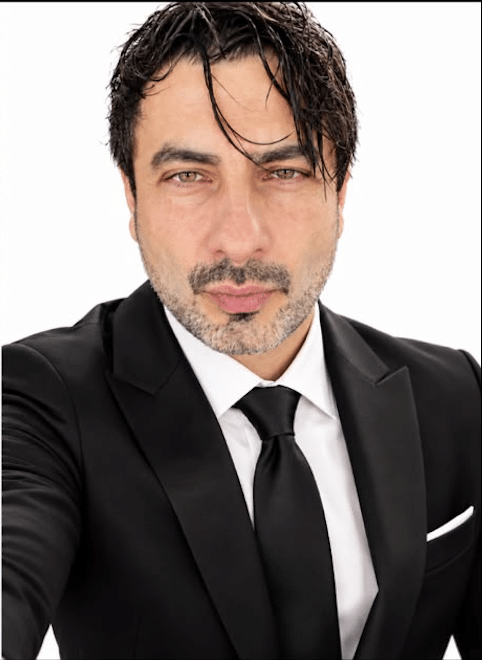
Coffee House Palazzo Colonna; Michele Crocitto; artistiAnfissa Vassé (Credits: M.U.S.A)
Inside the palace
For a city whose great museums are already full, the test is whether the overflow can find its way into smaller rooms like these.
“Being close to a famous museum doesn’t mean you benefit from its visitors, and smaller venues need help reaching people who would enjoy the work but wouldn’t know to look for it,” said Mirna Huhoja-Dóczy, founder of Bits of Brand.
Its creator, art manager Michele Crocitto, pitches it as a meeting place where companies join artists as partners rather than as mere sponsors. “M.U.S.A. does not simply want to put people in touch,” Crocitto said. “It wants to give their connections a future.”
The line-up leaned towards emerging and independent names rather than museum headliners. Giuliano Grittini, the photographer long associated with the poet Alda Merini, showed a previously unseen work, while the painter Amy Tiffany Hemingway brought her collection from London to Rome for the first time.
“Pop-ups are a good first contact, but the overflow certainly only stays where there is an address to come back to,” said Luigi De Marchi, founder and editor of Cultural Heritage Online.