
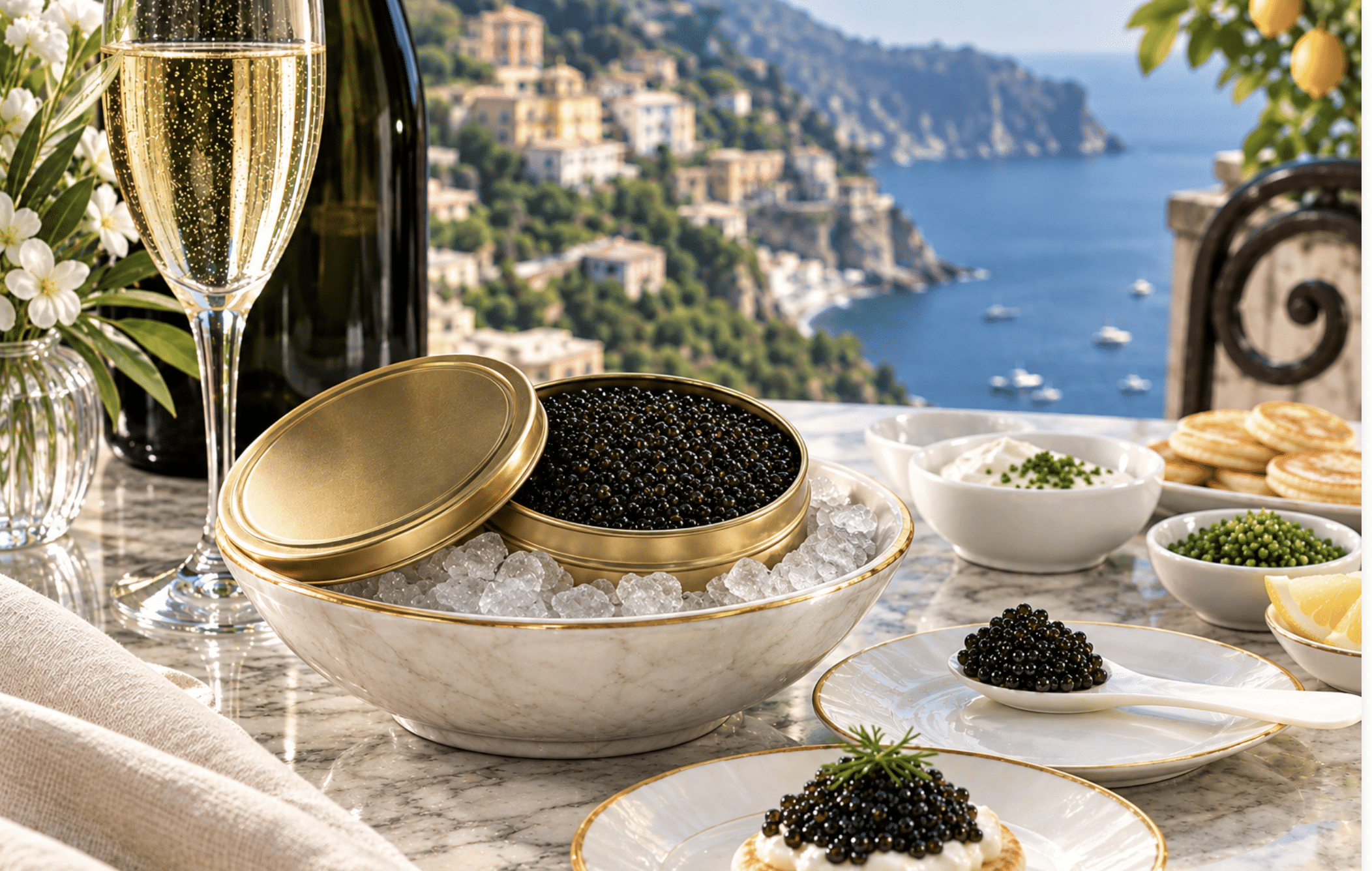

GOITO, Lombardy — Cru Caviar, Italy’s largest producer of beluga caviar, is benefitting from soaring demand with 70 percent of its sales going abroad, and Japan its biggest market by volume to date, according to company data.
“Biggest market at the moment, for volumes, I can say Japan,” said Giacomo Valenti, who heads caviar production at the fish farm in Goito. Close up come Germany and France as markets for the delicacy, he said.
“What’s interesting is that Italy has built the production of caviar without really building the ritual of eating it,” said Mariko Amekodommo, founder of Mariko Presents, a culinary events company in Prague. A farm visit or tasting lets people experience caviar “without the intimidation of luxury,” she said.
“At home, many Italians never grew up with caviar, so they have little reason to buy it. The farm’s first job is to show Italians why they should want it,” said Matthew A. Gilbert, a senior lecturer in marketing at Coastal Carolina University.
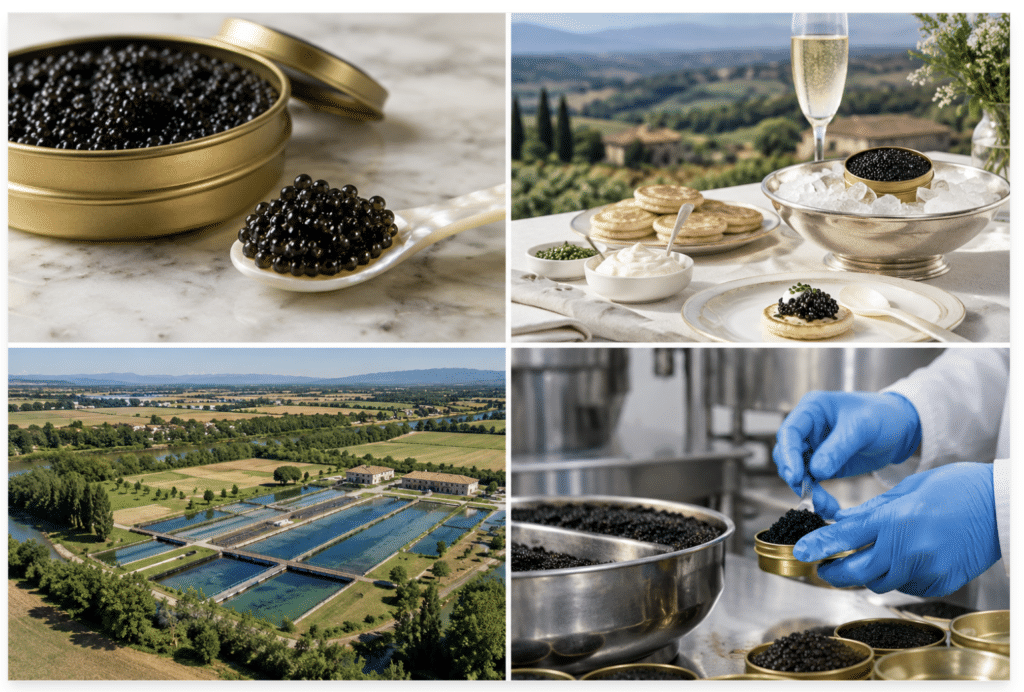
At home the product is a harder sell. So far “in Italy there is no caviar culture,” said Serena Ferrari, who runs visits and events for Cru Caviar. “It is a fairly unknown product, not a traditional one.” Even so, the producer is rolling out new packaging and a new online shop this October, which experts say may capture more attention from local purchasers.
Cows to caviar
The Bettinazzi family, now in its third generation, once raised dairy cows whose milk went into the production of Grana Padano, a hard cheese made across the Po Valley. In the 1970s they moved into trout farming in the risorgiva (natural spring) section of their farm. When this became successful, they sold the herd and moved into the fish market sector, Ferrari said.
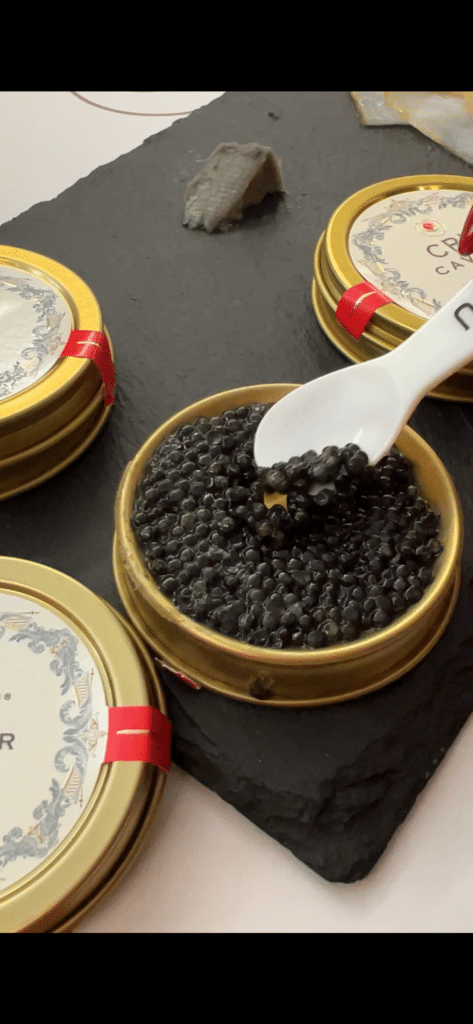
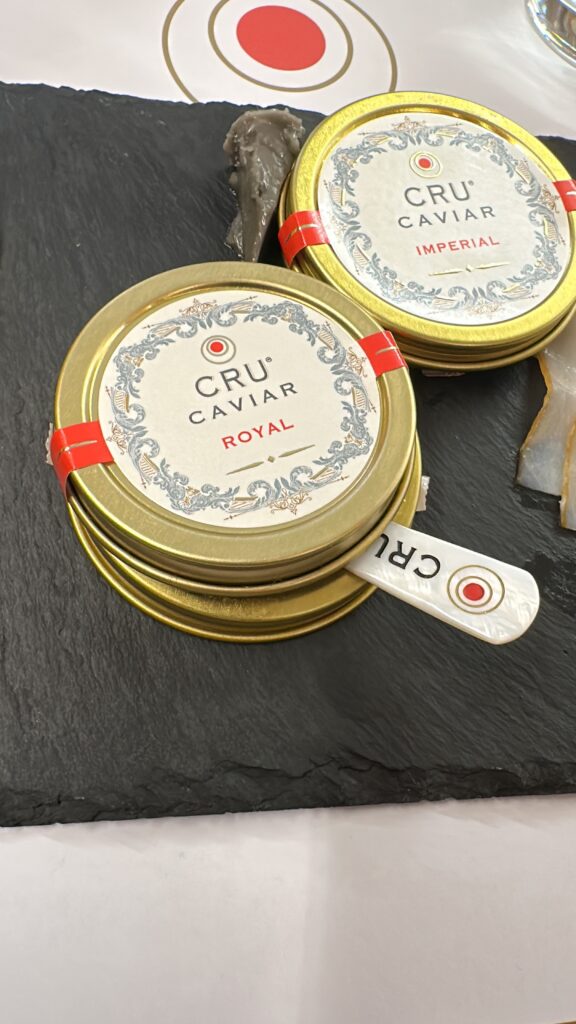
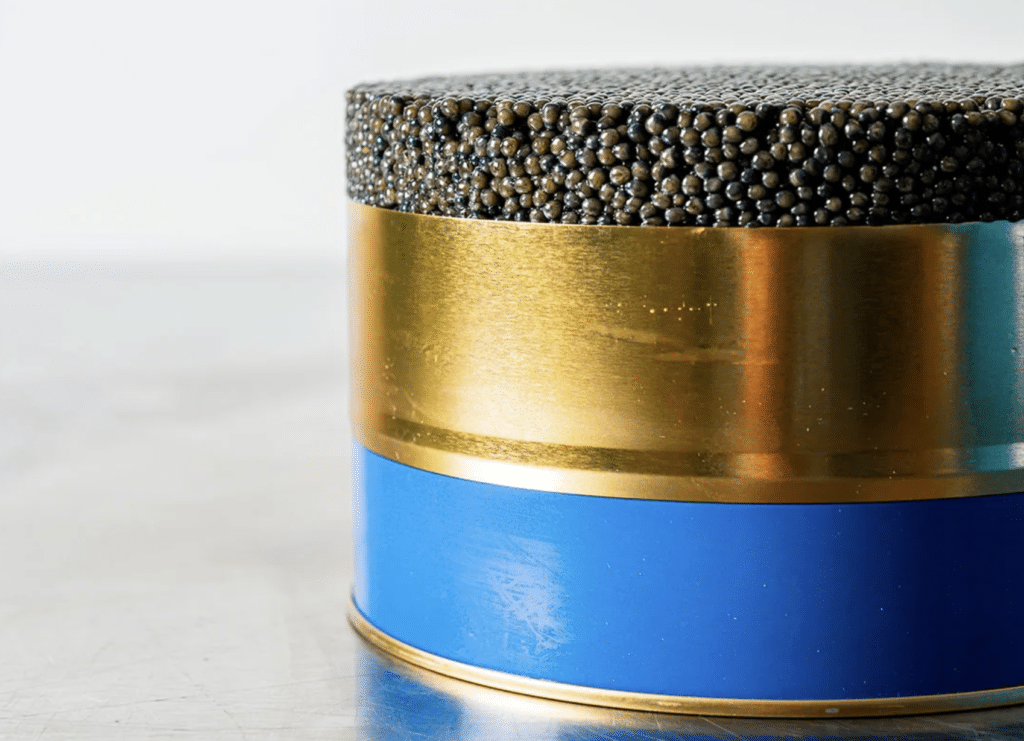
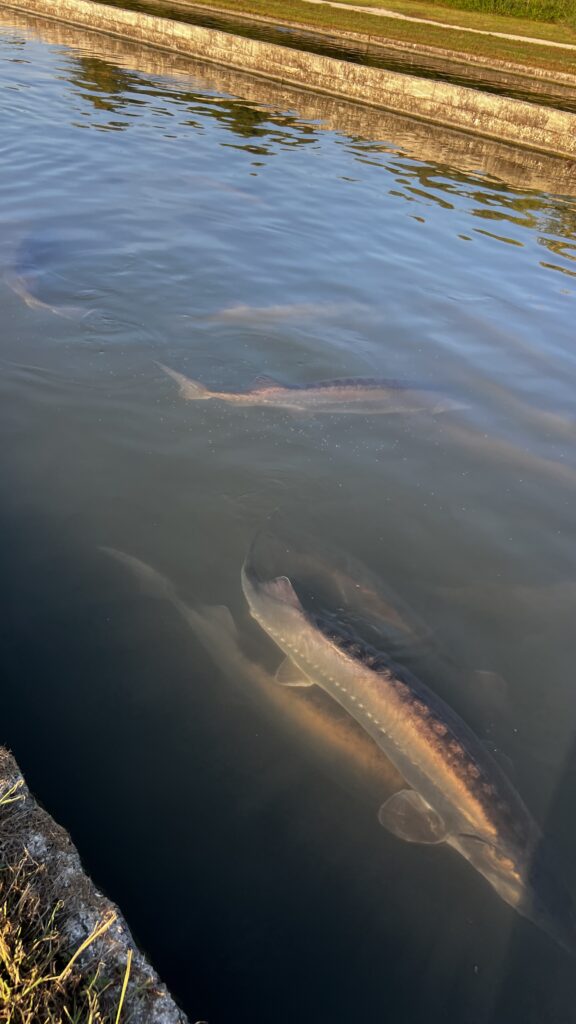
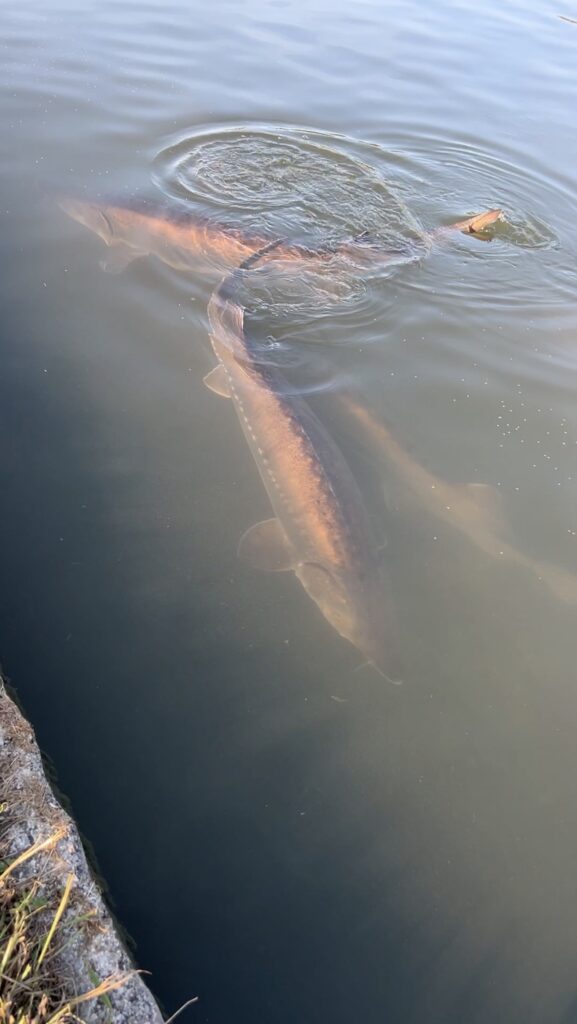
By the mid 1990s warmer water was stressing the trout farming, so the family added sturgeon, a hardier fish that in previous decades had swum the nearby Po and Mincio rivers in northern Italy, she said. The last beluga sturgeon sighting in the Po dates from 1972, according to the company.
Currently, the Bettinazzis run five sturgeon farms across Lombardy, Veneto, and Friuli Venezia Giulia. Of about a dozen sturgeon species kept, four are raised for caviar and the rest held as genetic stock, Ferrari told Italy Now.
Even so, the production cycle requires a long-term investment. Siberian sturgeon are able to produce caviar-useful eggs only in their eighth to tenth year of life, while the beluga stock require more than 20 years. It is also only by ultrasound some eight years after they are hatched that it is possible to determine whether a beluga is male or female.
“Our goal is to get 10 percent of the weight of the fish in caviar,” Valenti said.
The home market
Italy is Europe’s largest caviar producer and the world’s second after China, Italy’s leading newswire ANSA reported in March. Output slipped to 65 metric tons in 2025 from 67 the previous year, ItaliaOggi reported in May. Cru Caviar’s rival brand Calvisius, made near Brescia, sells about 70 percent abroad, Linkiesta reported in July.
One of Cru Caviar’s main farms sits inside the Parco del Mincio, a protected river park, about 15 kilometers from Mantua. Visitors are able to also wade into the tanks beside the fish before taking part in a caviar tasting, with tours lasting about two hours and costing some 60 euros.
For sure, caviar is not new to Italian kitchens. A cook at the court of the Gonzaga family, one of Renaissance Italy’s major nobility, was preparing beluga caviar centuries ago, CiboToday reported. The task now is selling it back to Italians.