
NAPLES — Every object Eleit makes starts with three people at one table: a designer, a chef or food producer, and an artisan workshop. The Naples startup has used that formula since 2020 to build tools for gestures Italians rarely think about, such as mopping up spaghetti ragù sauce with bread.
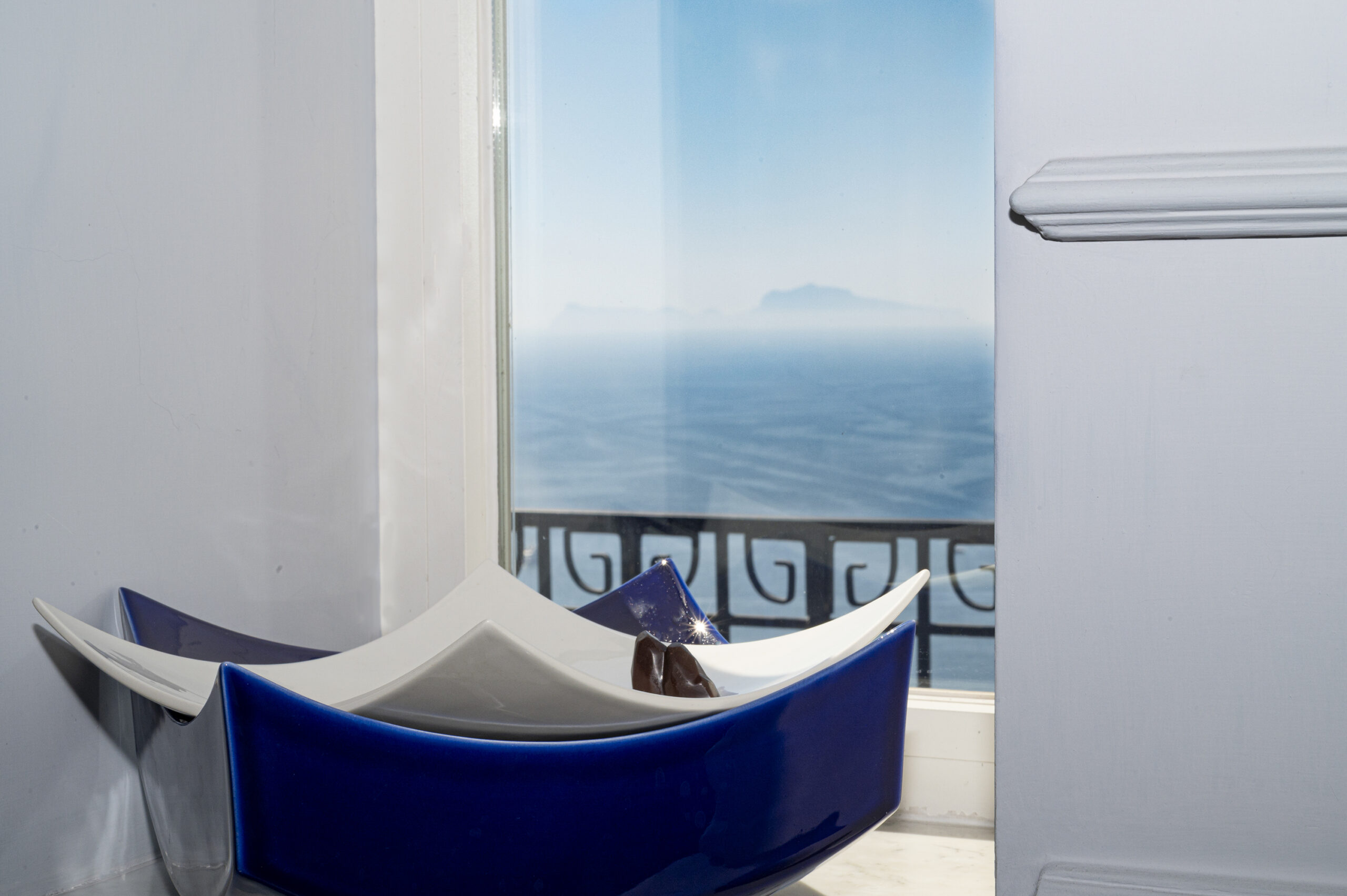
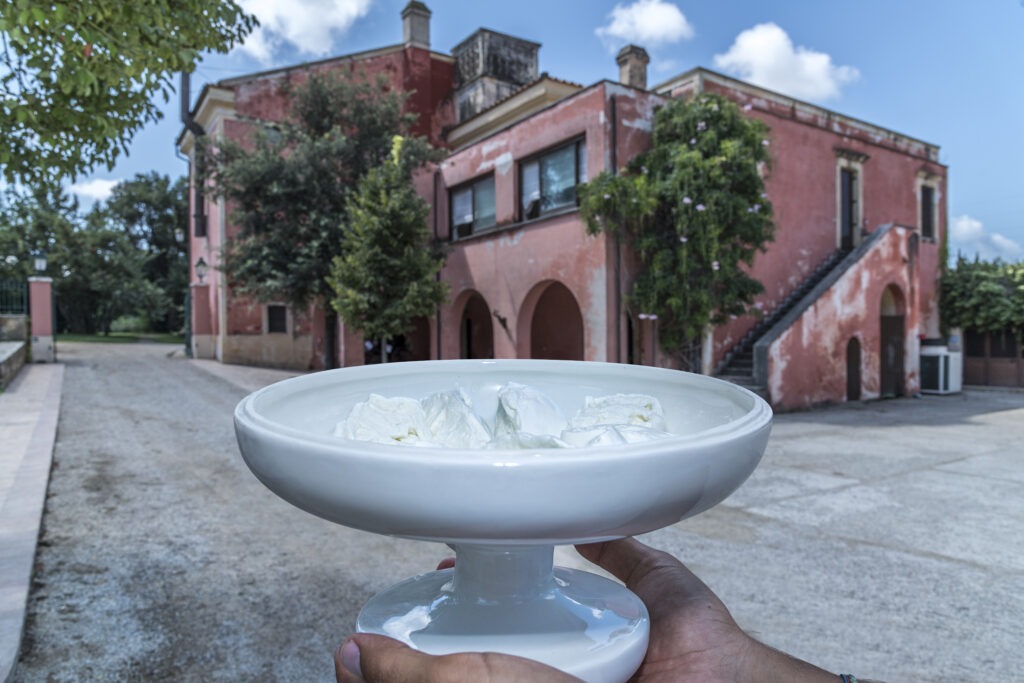
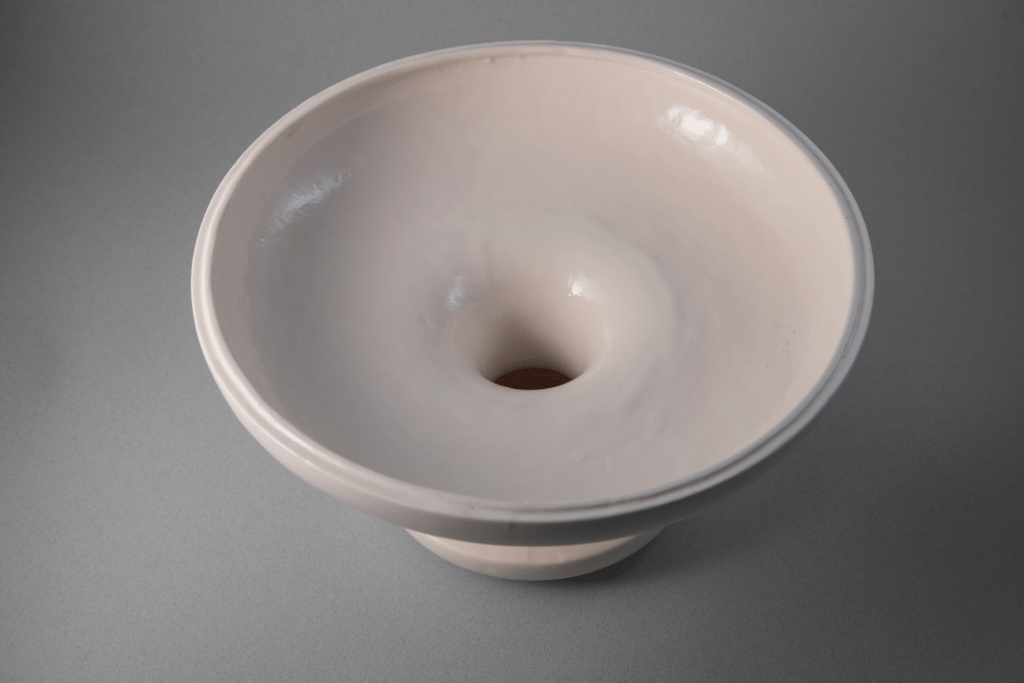
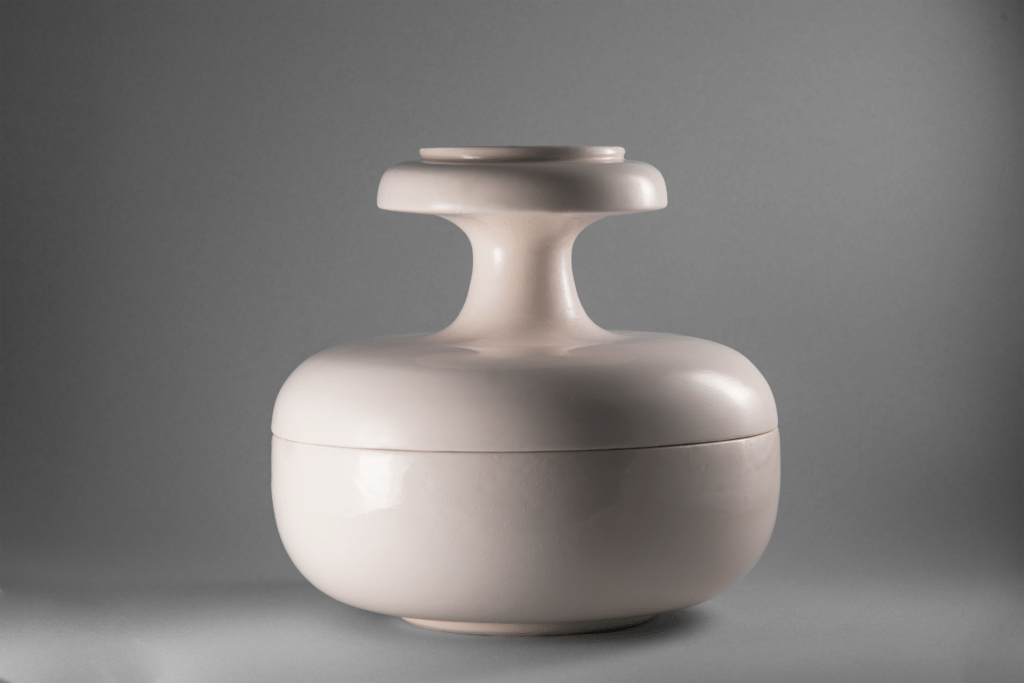
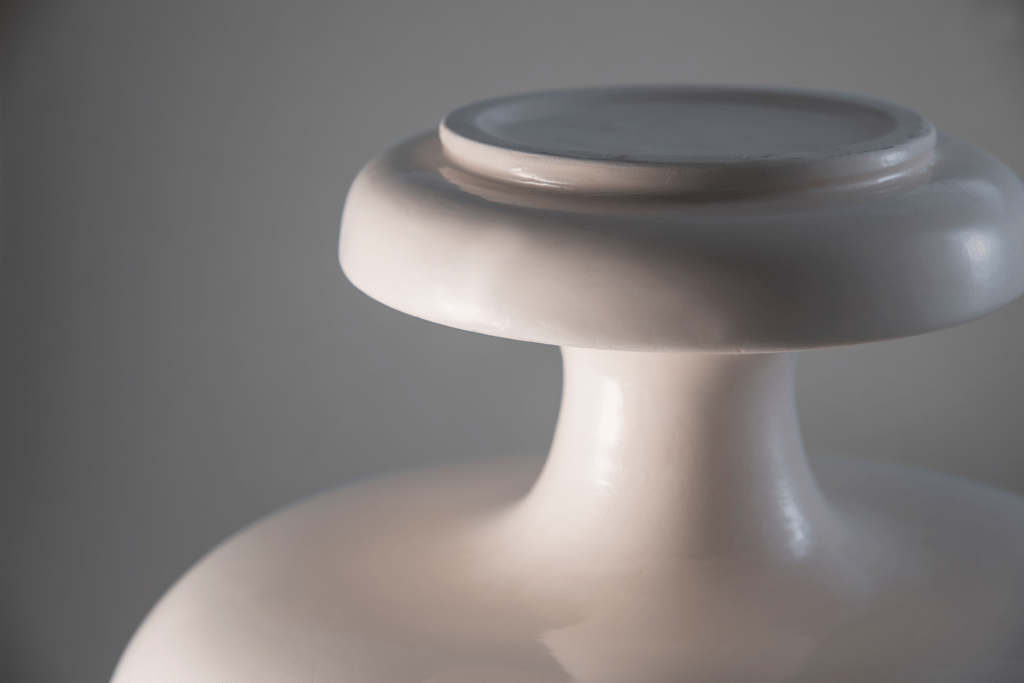
The results are specific. Pyxis, a ceramic vessel for buffalo mozzarella developed with the organic farm Tenuta Vannulo, drains the milky liquid into its hollow lid so the cheese reaches the plate dry. Scarpetta, a small porcelain wave from the Riti line, lets sauce drip through a hole onto a slice of bread held underneath. Its recipe partner is Lino Scarallo, chef at Palazzo Petrucci in Naples.
“While these collaborations may not resolve all these issues on their own, they represent beneficial initiatives,” said Saadet Türlü, founder of WOW by Alp, a handmade furniture workshop in Turkey. “I am certain that, unless measures are taken, we will eventually be left with nothing but standardized, mass-produced goods.”
The timing matters. In December last year, UNESCO, the United Nations cultural agency, added Italian cooking to its list of intangible cultural heritage, with the committee citing its role in passing knowledge between generations and in encouraging people to share. A year on, Eleit’s products catalogue reads as an attempt to give those rituals a physical form.
The other stake is the workshops themselves. Italy counted almost 1.3mn artisans in 2025, down from 1.7mn a decade earlier, a fall of 25.1 per cent, according to CGIA, an association of artisans and small firms based in Mestre. Eleit’s makers sit at the fragile end of that curve.
Three workshops
Buffalo mozzarella holder Pyxis is made at Capodimonte, in the royal park above Naples, where Charles of Bourbon, then king of Naples, founded the Real Fabbrica porcelain works in 1743 . Since 1961 the Istituto Caselli De Sanctis, a state school for porcelain craft, has kept its techniques alive in the same buildings. Each Pyxis is shaped by hand on a lathe over a plaster model, then fired twice.

Speziale, a steel spice box, comes from via Calderai in Palermo, a street of metalworkers in the city’s former Jewish quarter, laid along the dry bed of the Kemonia river. Raffaella Guidobono, who founded the Palermo design label Leftover in 2011, drew it, and the street’s smiths cut, bent, and welded it by hand.
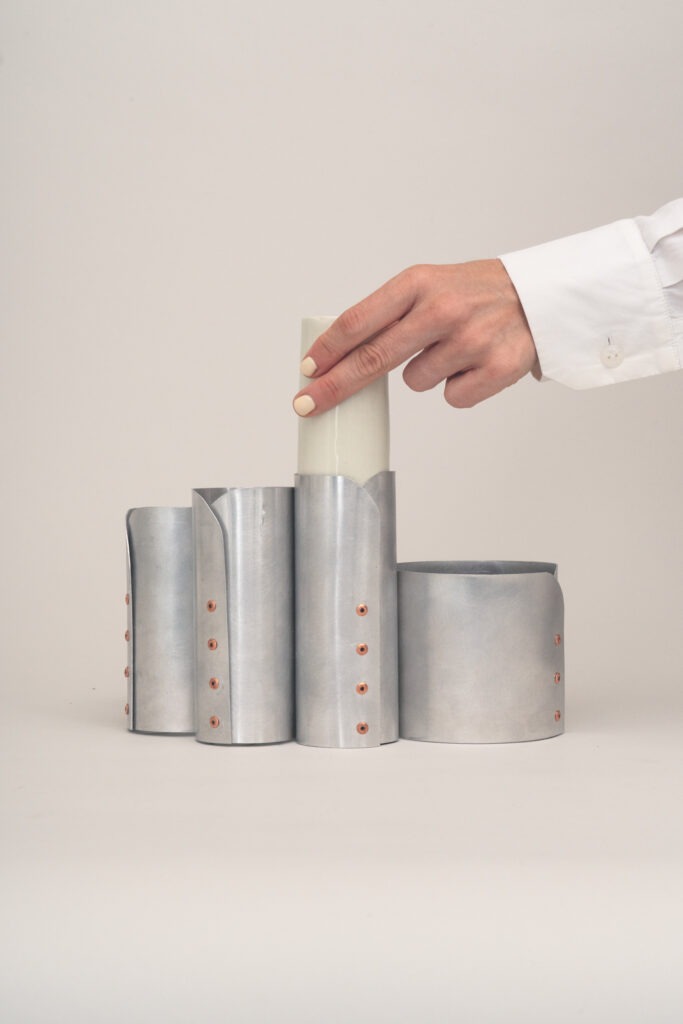
The newest piece, Enzo Vincenzo, first shown at the EDIT Napoli design fair in October 2025, looks north. It sets ceramic cups made in Faenza, the Emilia-Romagna town that gave the world the word faience, inside hand-bent aluminium sleeves. Its designer, Federica Zama, returned to her hometown in 2021 after a decade as an interior designer in London. The idea came from Martina Liverani, a food writer and founder of the independent magazine Dispensa.


The founders
Titti Gallucci, who founded Eleit and runs it as director, spent more than two decades in marketing for large companies before starting it. “The market for Made in Italy design has been one of the most vital and growing in recent years,” she said when the brand launched in 2020.
“Our challenge is to support the value of Italian craftsmanship and connect artisans with customers who recognise the expertise, research, innovation, authenticity and care behind each piece. We believe that “value niches” can represent a great market opportunity”.
Raffaella Del Giudice, the architect who designed Pyxis and now runs product development, describes Eleit as a meeting point. It is “a place where new synergies are born between food, design and craftsmanship,” she said at the launch.
Gift or lifeline
The open question is whether experiential objects keep endangered crafts working, or simply feed a niche gift market. Prices on Eleit’s shop run from €160 to €800, the top figure for Atanor, a glass jar for sourdough starter. The company also courts restaurants and retailers with separate trade terms.
“Commissions are only sustainable if they lead to repeat business, rather than being one-offs. Prestige lasts one season,” said Evgenii Arsentev, a doctor and founder of Dad4Kids, which makes educational games for children.
Via Calderai also shows the limits. Nino Ciminna, long the street’s oldest tinsmith, died in 2015, and his workshop is now a 30 square metre micro museum kept by a design studio rather than a working forge.
Back in Naples, the test is simple. A good scarpetta, by Eleit’s own account, leaves no trace on the plate. The harder trick is leaving a mark on the workshops that made it.