CALANGIANUS, Sardinia — Sardinia has made a living from cork since 1851, and it still does. The island harvests about 80 per cent of Italy’s cork, and firms around Calangianus, its cork capital, turn over more than €190 million a year, by the district’s own count.
“The cork forests are an example of how conservation and local income-generating activities may go hand-in-hand,” said Johan Siggesson, a travel expert and wildlife photographer.
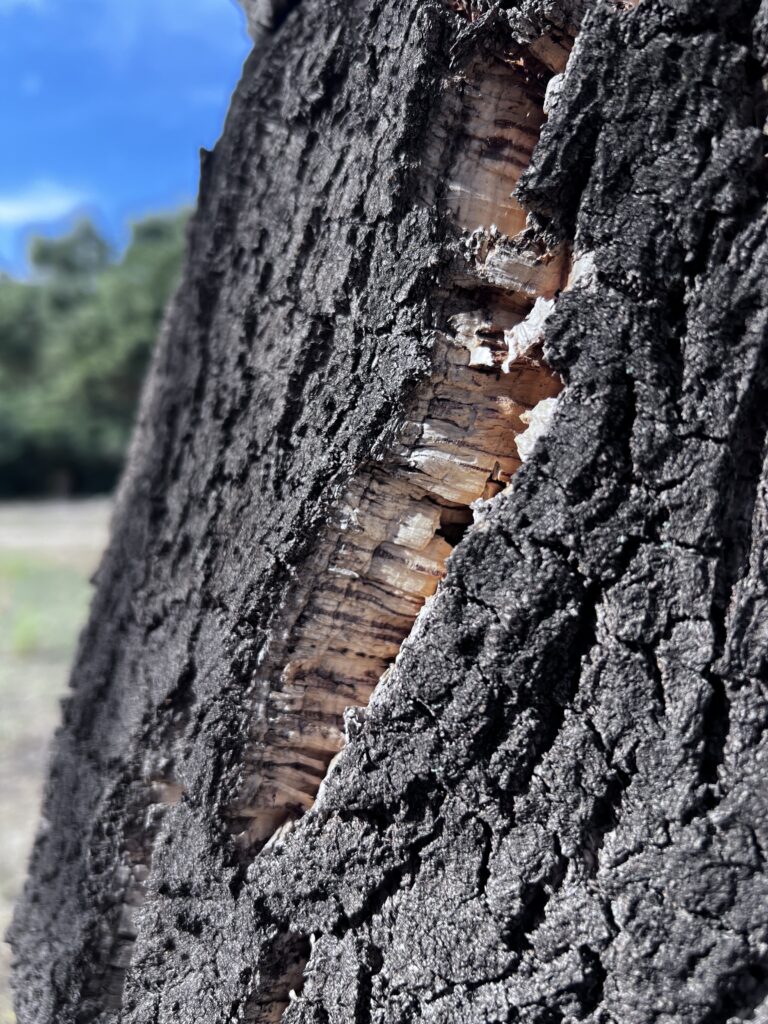
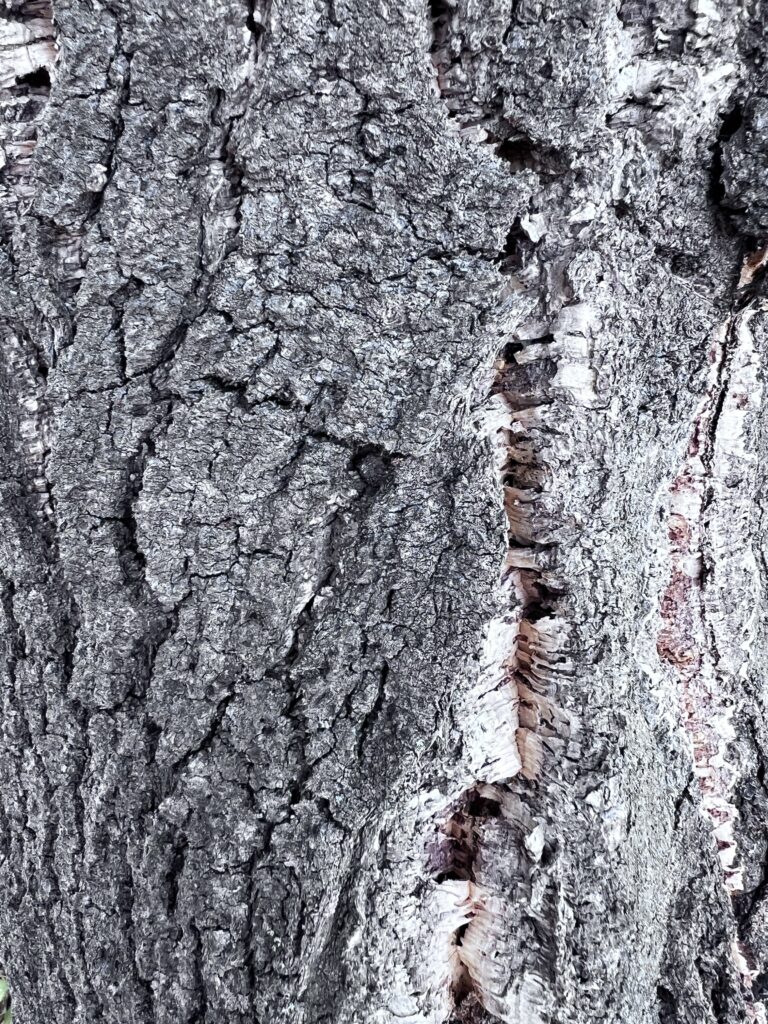
“Normally, if you strip a tree of its bark, it dies,” said Pier Merlin, a guide in Gallura, northeast Sardinia, who founded Mema Bike Tours and Your Personal Guide. “With cork, not only does it not die, it grows back.”
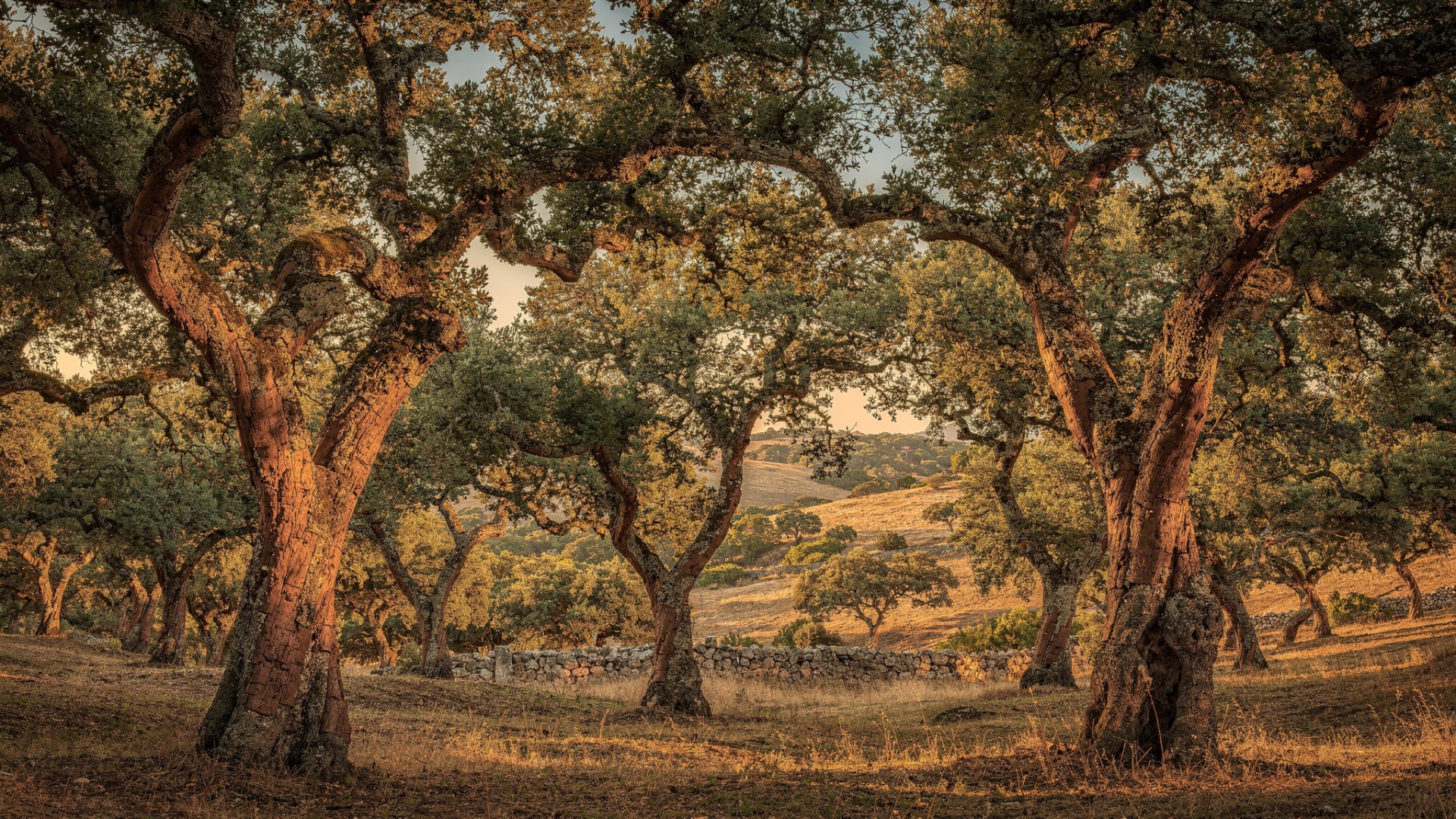
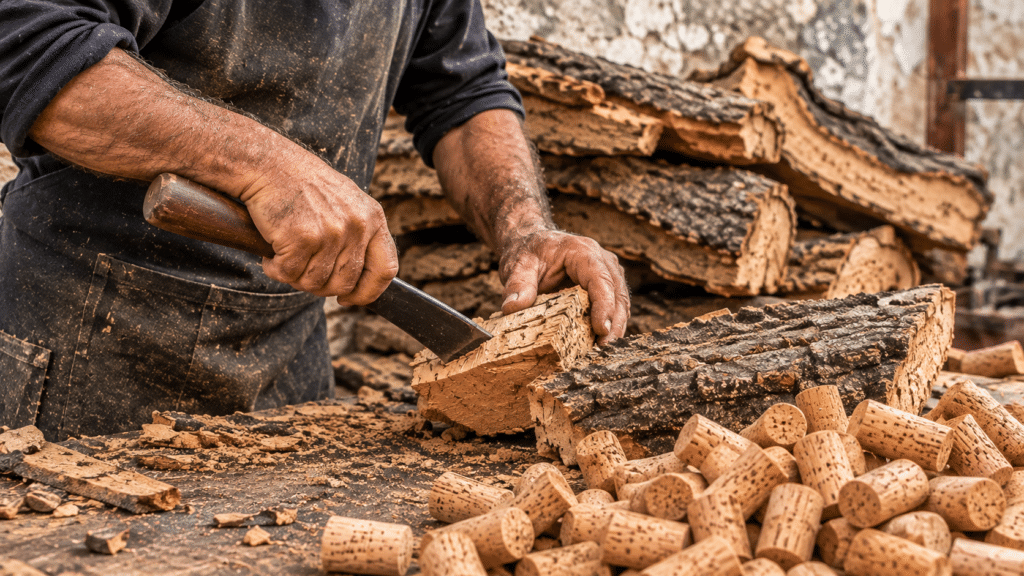
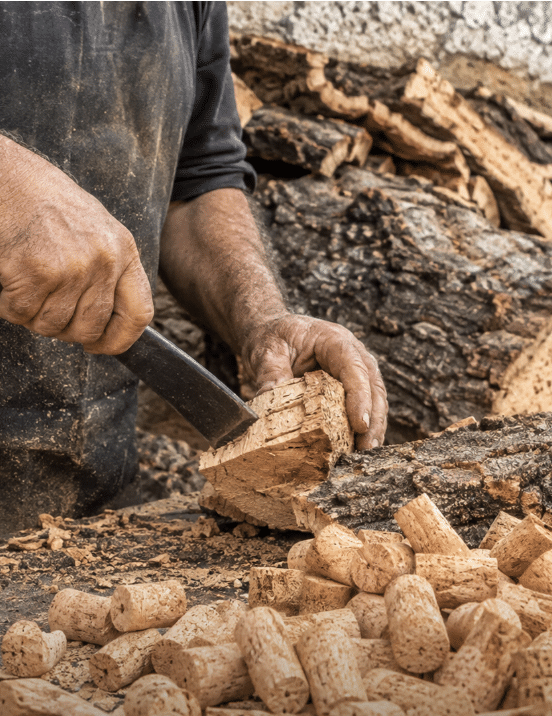
A tree may be stripped only once its trunk reaches 60 centimetres around, Merlin explained. The bark from the quercus suber (oak cork) trees is prised off with an axe handle, seasoned, and boiled into stoppers.
A family trade
In Calangianus, “every family had its own cork bark, stripped it themselves, and at home had a little table where they made stoppers,” he said.
Workshops soon employed hundreds from neighbouring villages. Calangianus stoppers shone at Milan’s 1906 International Exposition.
Today the cork district covers some 912 square kilometres. Sardinia holds about 83 per cent of Italy’s cork oak forests and more than half its cork firms, extracting some 14,000 tonnes of bark a year.
The largest firm, Molinas, founded in Calangianus around 1920, owns 8,000 hectares of cork forest, employs 400 people, and makes two million stoppers a day.
New markets
Italy produces and processes about 10 per cent of the world’s cork, behind Spain and Portugal. Last week Sardinian towns joined Retecork, a European cork network, in Madrid.
Cork could also draw more visitors. “Most regions promote museums but people are mostly interested in practical activities,” said Vummy Kihaule, founder of Tanzania Safaris, who suggests summer stripping visits with local wine.
“I would start with a bookable maker visit or workshop that has a clear price, duration and story, rather than promote an entire region with a vague sustainability message,” said Liam Lafferty, cofounder of Zentive, a software company.
For Merlin, the lesson is in the bark itself. Strip it with care, wait, and it comes back.
Visits to the cork museum in Calangianus, in the new province of Gallura North-East Sardinia, and guided rides through its cork forests can be arranged through the Consorzio Costa Smeralda, part of the Grand Tour di Territori di Eccellenza (the Grand Tour of the Territories of Excellence) network. The project is run by the association of the same name bringing together the iconic Italian destinations of Capri, Cortina d’Ampezzo, Courmayeur, Madonna di Campiglio, Porto Cervo and Taormina. Visits and trips can be organised in collaboration with the destination’s local representatives.