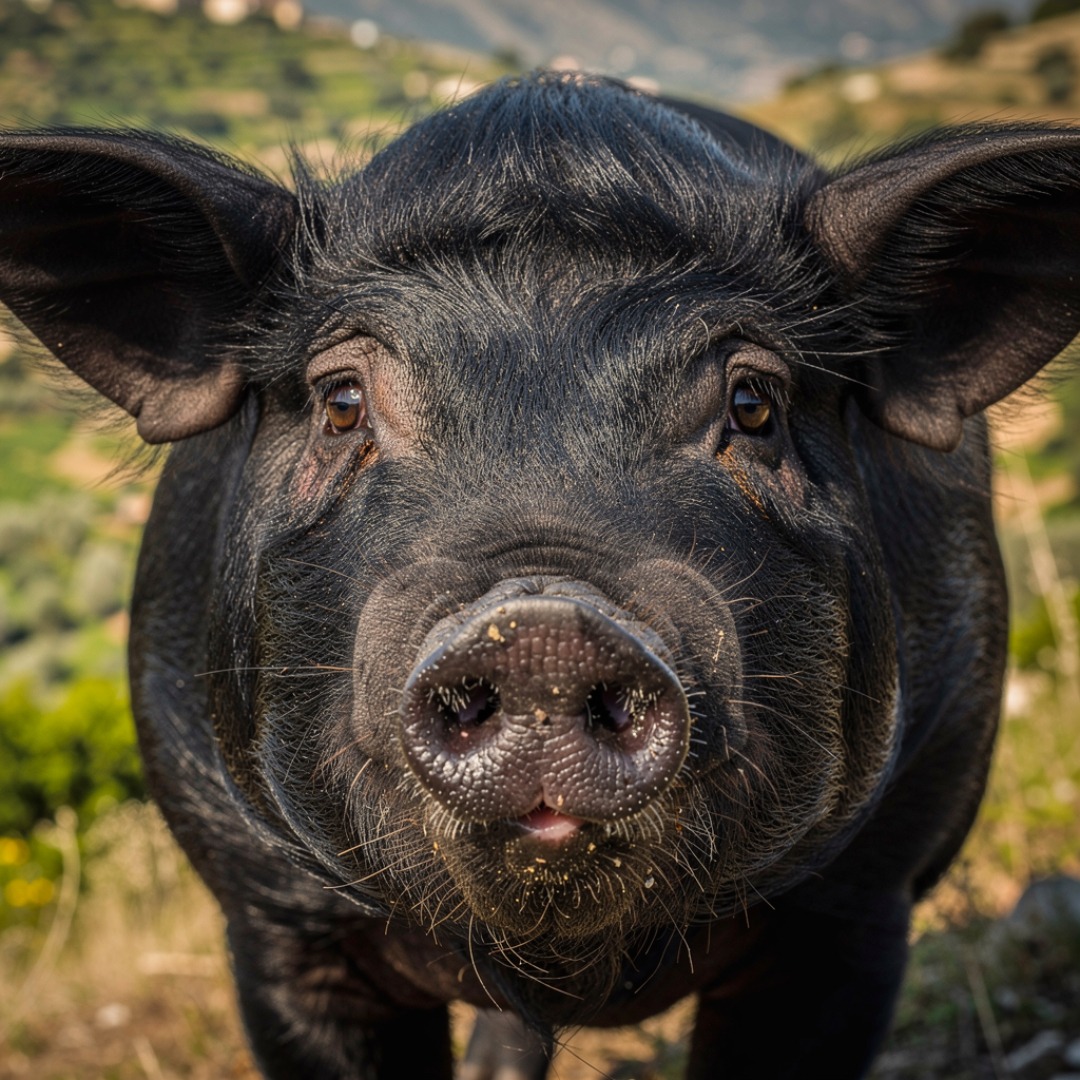

LONGI, Sicily — In the beech woods above Longi, in Sicily’s Nebrodi mountains, Leo Salvatore Corrao’s black pigs sow the forest they feed on. A bid to win European protected status for their meat has cleared a regional review and reached Italy’s agriculture ministry, breeders told Italy Now.
The woods feed the pigs most of the year, and the pigs return the favour, carrying seeds and fruit through the forest and leaving behind what they digest, “as if there were a continuous sowing,” said Corrao, who raises them at Oro Nero dei Nebrodi, his farm in Longi. Without them, “a principal actor in spreading and maintaining this biodiversity would be missing.”
The ministry has asked for more information before the file goes to Brussels, where the European Commission has the final word. Nebrodi Plus, a local development group, requested DOP status (protected designation of origin, the European label tying a food to its place) in August 2025 for fresh meat, capocollo, lardo, guanciale, and cured and cooked ham.
“Recognising the product’s quality will position it on the market in a more attractive and rewarding way,” Corrao said, “and guarantee consumers its origin and quality.”
Woodland breed
Slow Food, the association that protects local food traditions, counts the breed among its presìdi (projects safeguarding endangered foods). It estimates some 2,000 animals, living wild or nearly so across 50,000 hectares of beech and oak.
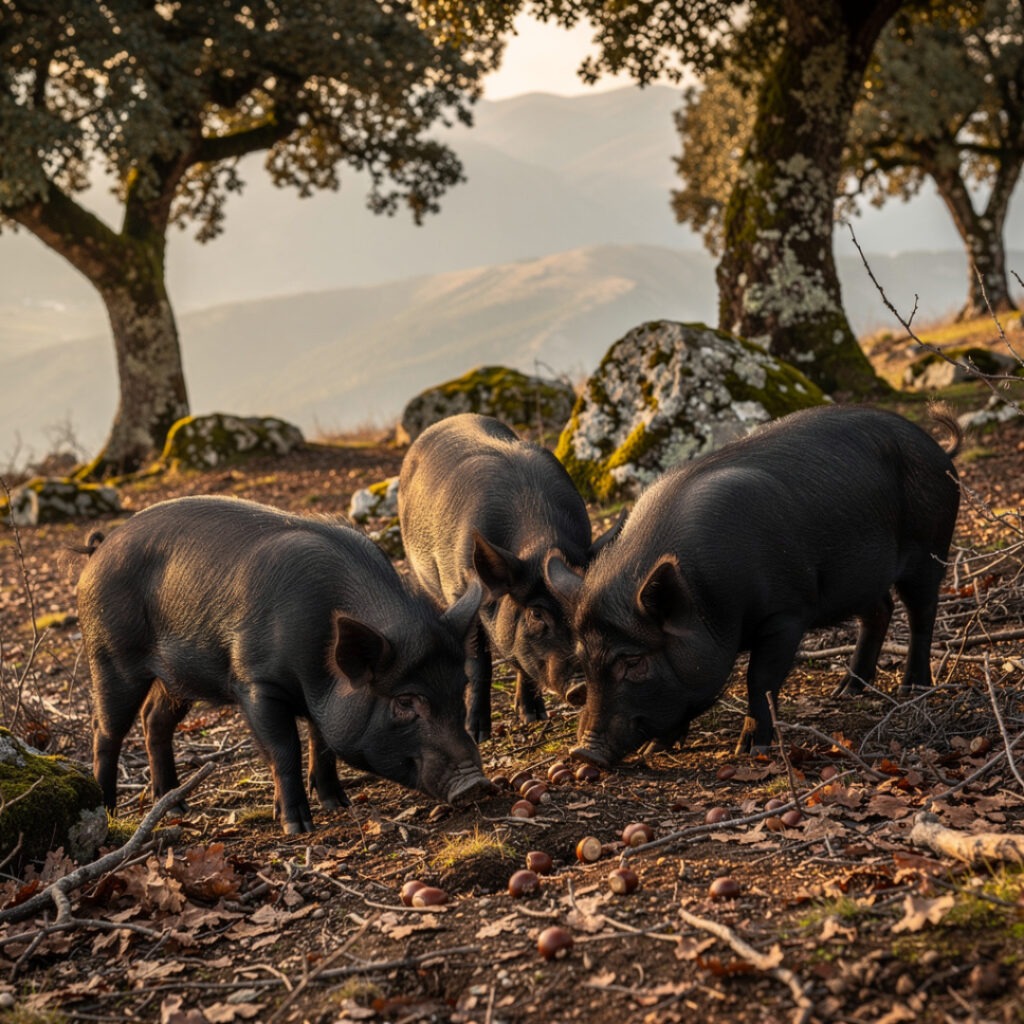
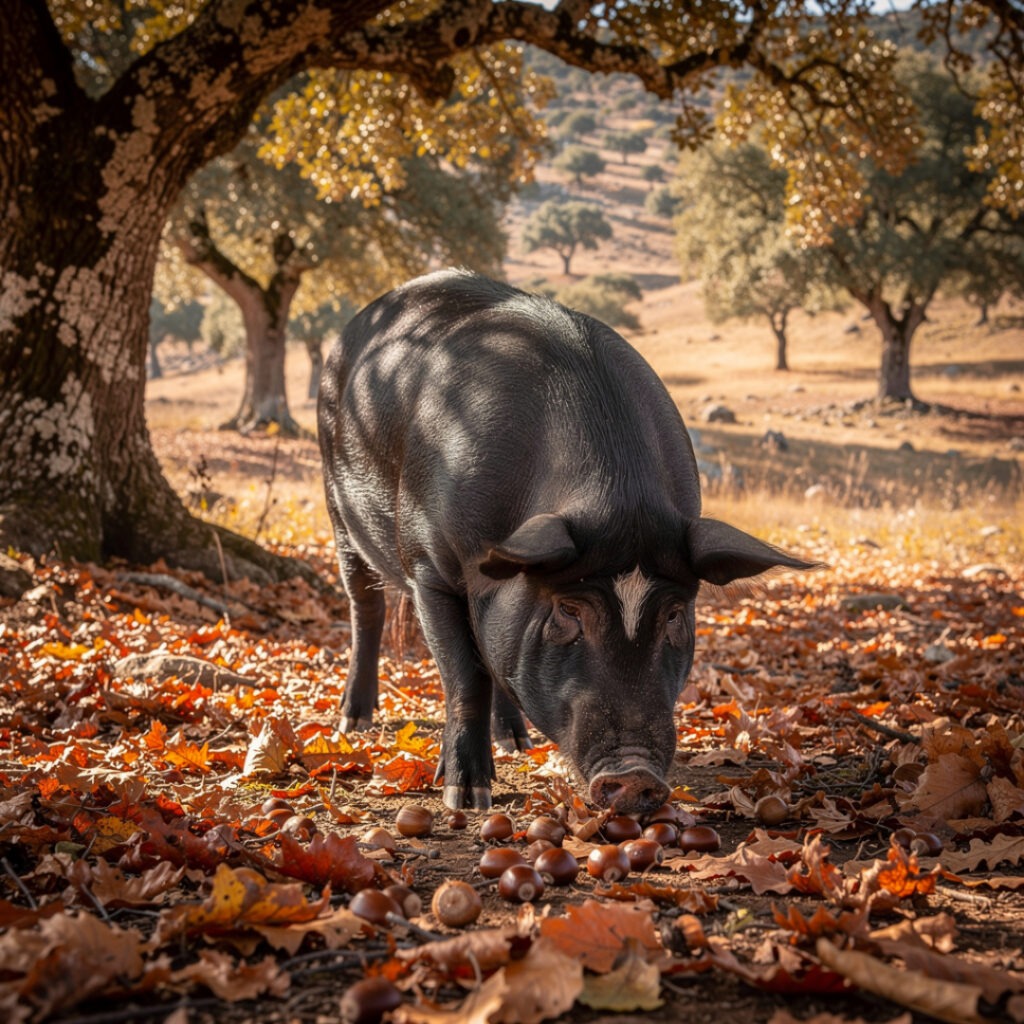
“This particular pig’s ideal environment is the Nebrodi, because it enjoys both cold and warm weather and the area offers both,” said Giacomo Emanuele, another breeder.
“The idea is to support breeders and their distributors so that our quality meat could also reach larger retailers,” said Luca Sammartino, Sicily’s assessore (regional minister) for agriculture. “It also means we protect native breeds and promote the Sicily brand.”
Worth a million
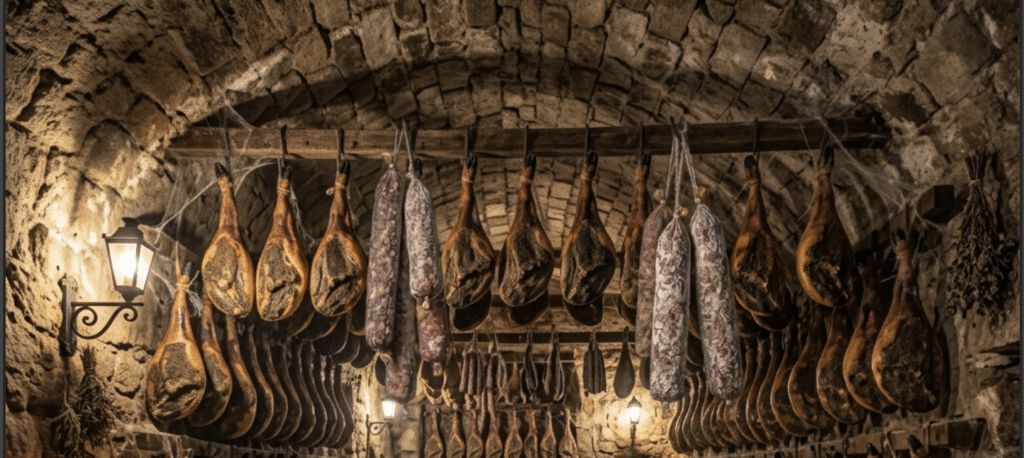
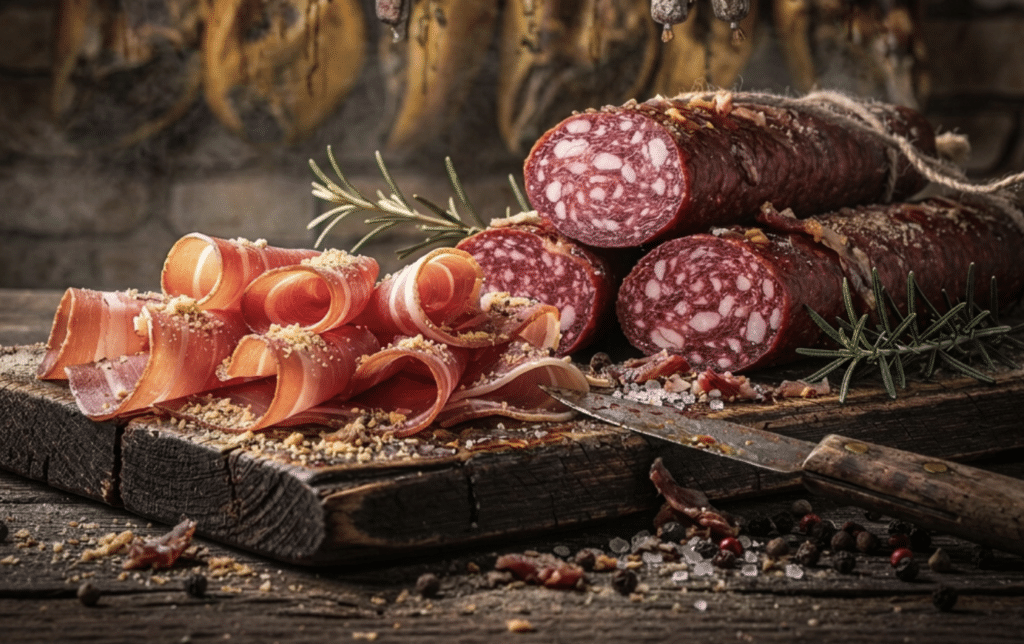
Most breeders run small farms and cure their own meat into fellata (a local salami), sausage, capocollo, and pancetta. The breed featured at the 11th Festival del Giornalismo Enogastronomico (Food and Wine Journalism Festival) in Longi and Galati Mamertino from October 2 to 4.
“You cannot say one is worth one and the other 10,” Corrao said of intensively farmed pork. “The comparison instead is that one is worth 10 and the other a million.”
A label would protect a name on a packet. The pigs already protect something no label can, the forest that feeds them.