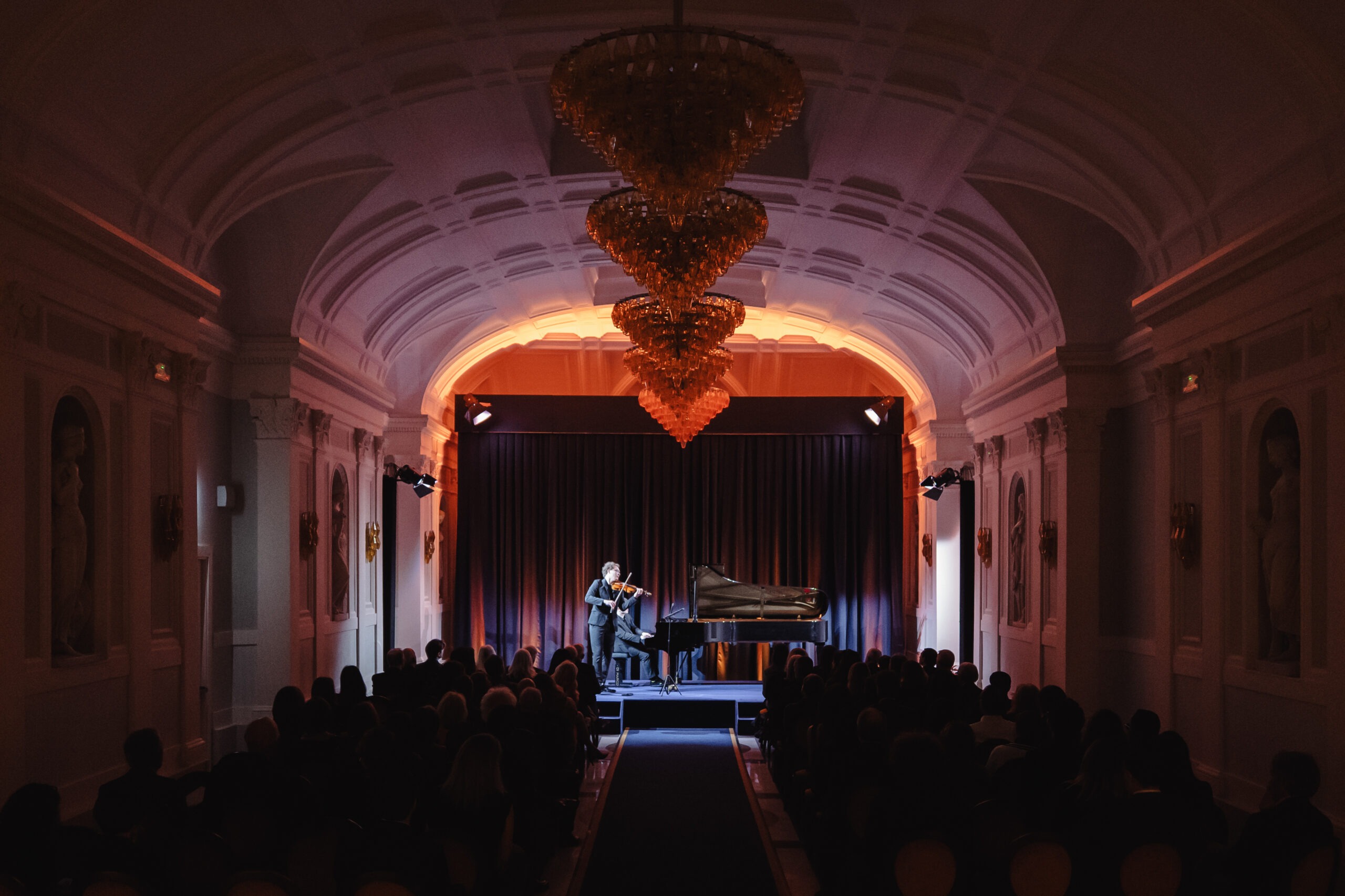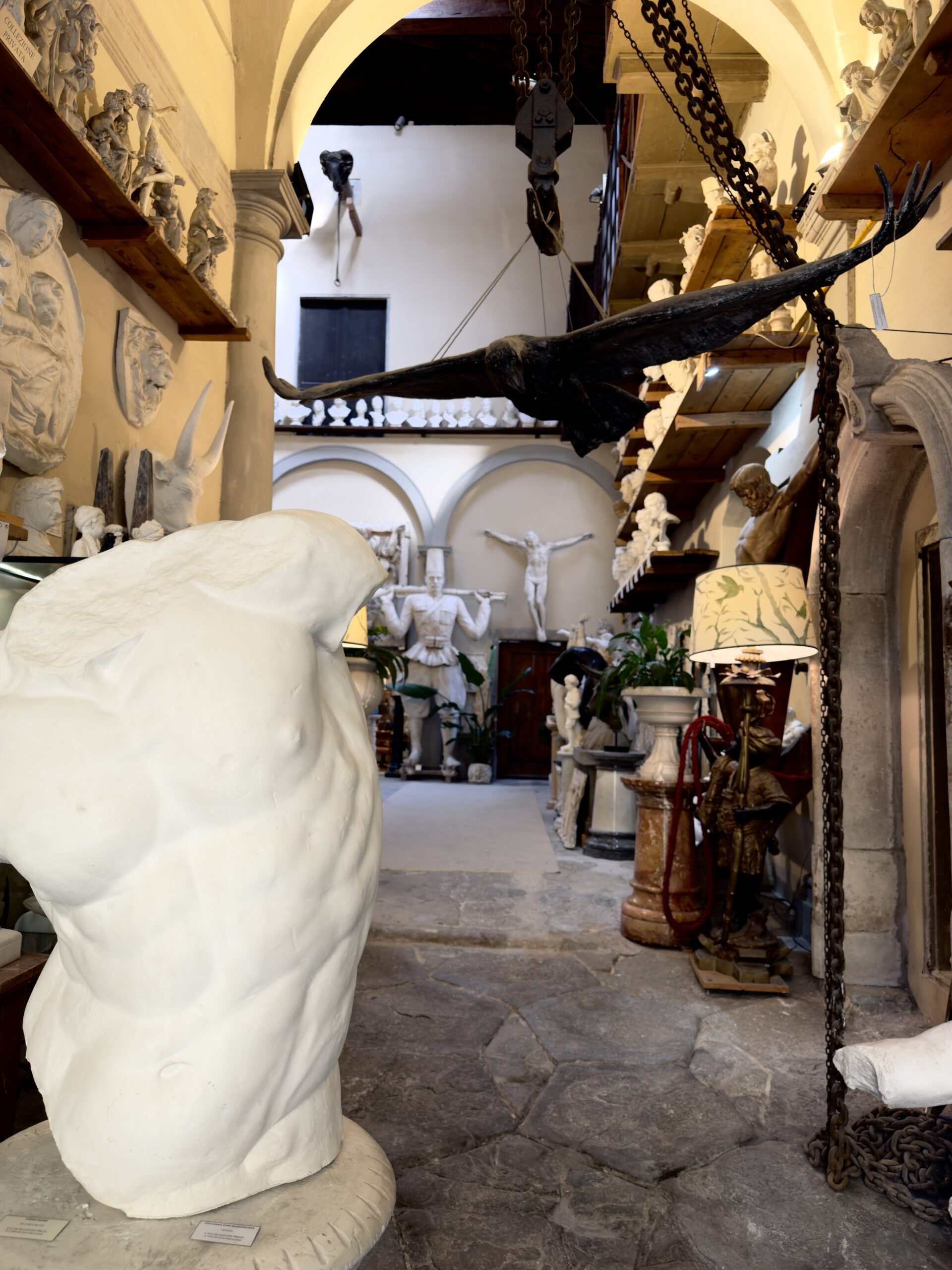

FLORENCE — On November 14, 12 guests will spend a morning inside two private workshops in Florence’s Oltrarno area before seeing Broken, the Palazzo Strozzi exhibition on fragments. The exclusive event is run by Miciporto, an Italian cultural experiences company built around small groups and closed doors.
“Visiting traditional stone-inlay workshops before an exhibition helps travelers appreciate the skill behind the art,” said Andrés Serra, head of operations at Optimise Travel. “While private tours may not fix overtourism, they can encourage people to spend time and money with smaller workshops instead of just visiting the city’s main attractions.”
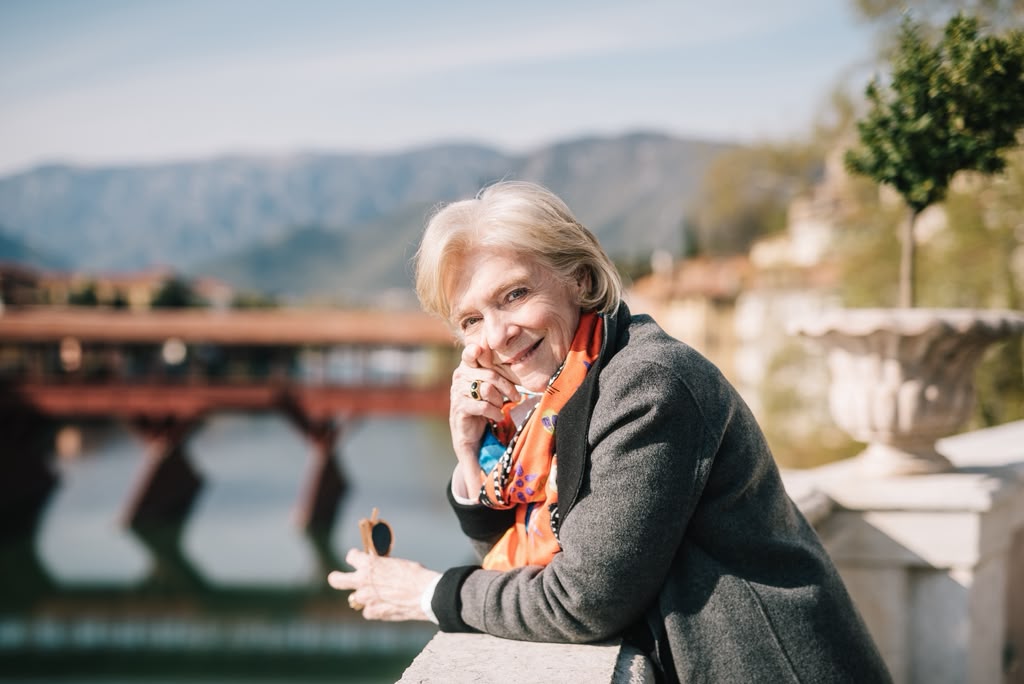
Miciporto’s founder, Isabella Talone, started the company after 22 years as a fashion designer and product manager. “For me, exclusivity should not mean the privilege of entering where others cannot,” she said, “but the chance to experience something we would not normally get to know.”
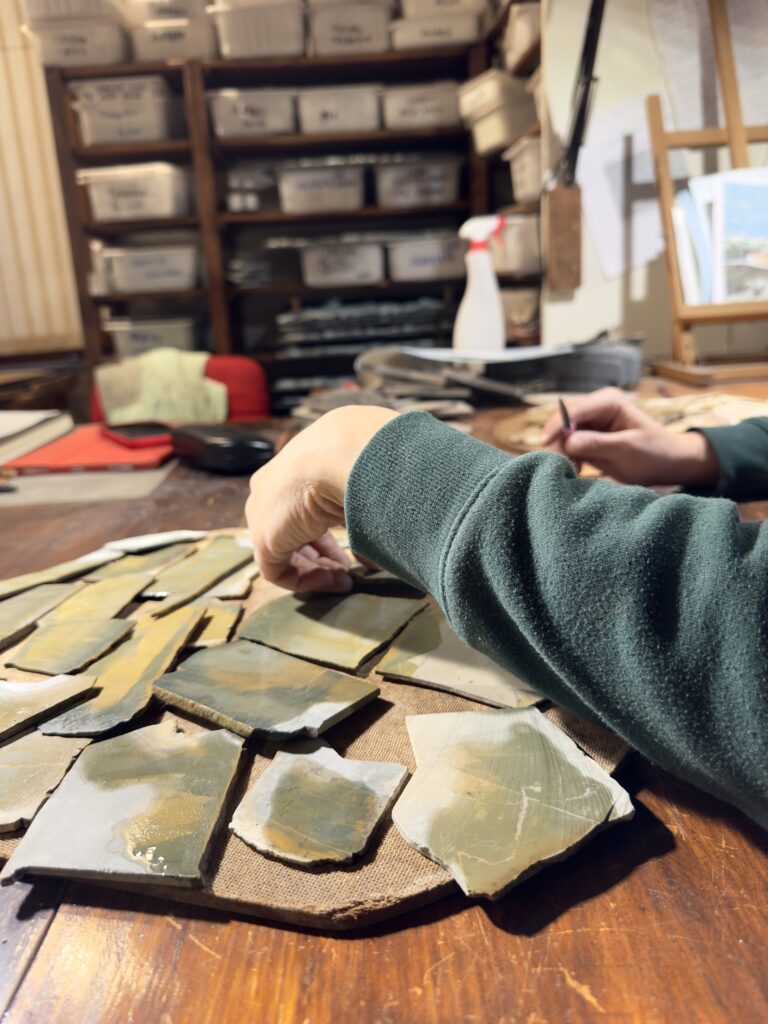
The Florence morning begins with commesso fiorentino (Florentine hard stone inlay), where cut slivers of stone are fitted together into a single picture. Only afterwards will the guests attend the Broken exhibition which boasts more than 80 works and runs through January 24.
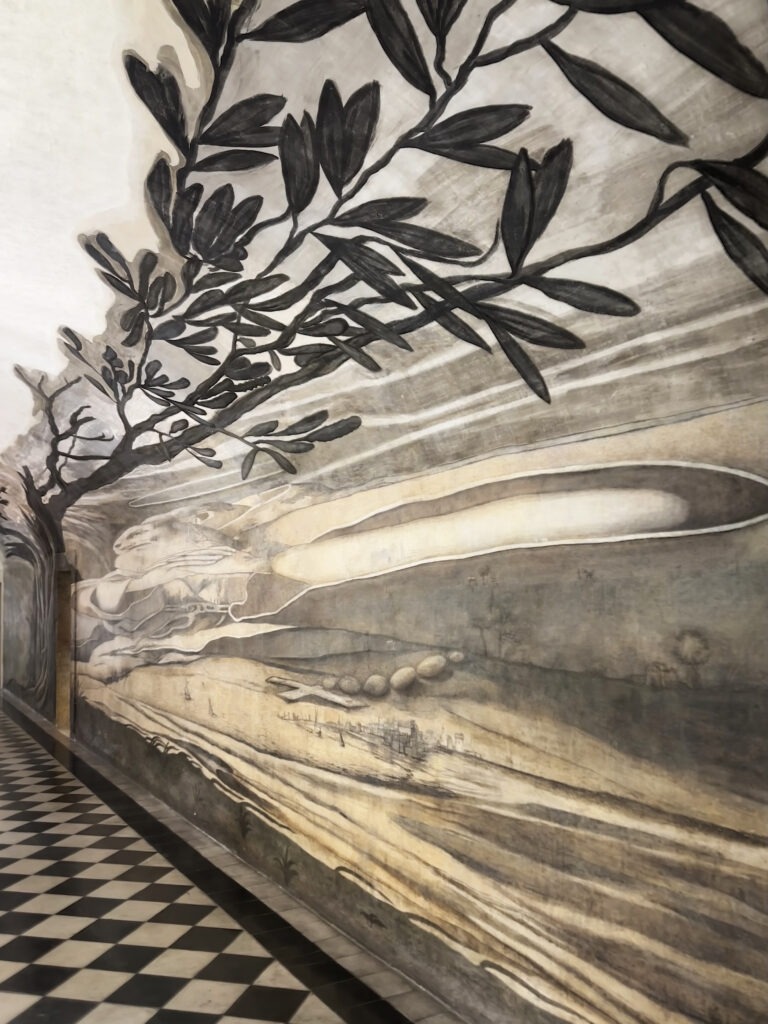
“I am not interested in opening a door just to be able to say I opened it,” Talone said. The journey those that attend her events embark on starts from a narrative that she identifies and selects, which then is illustrated by the places and people who can tell it.
Tickets and trust
The unique model to approaching authentic travel arrives as Italy puts a price on its crowds. Rome began charging tourists and non-residents €2 to reach the Trevi Fountain basin on February 2 this year, and Venice has been considering upping the access fee it charges in some periods of the year.
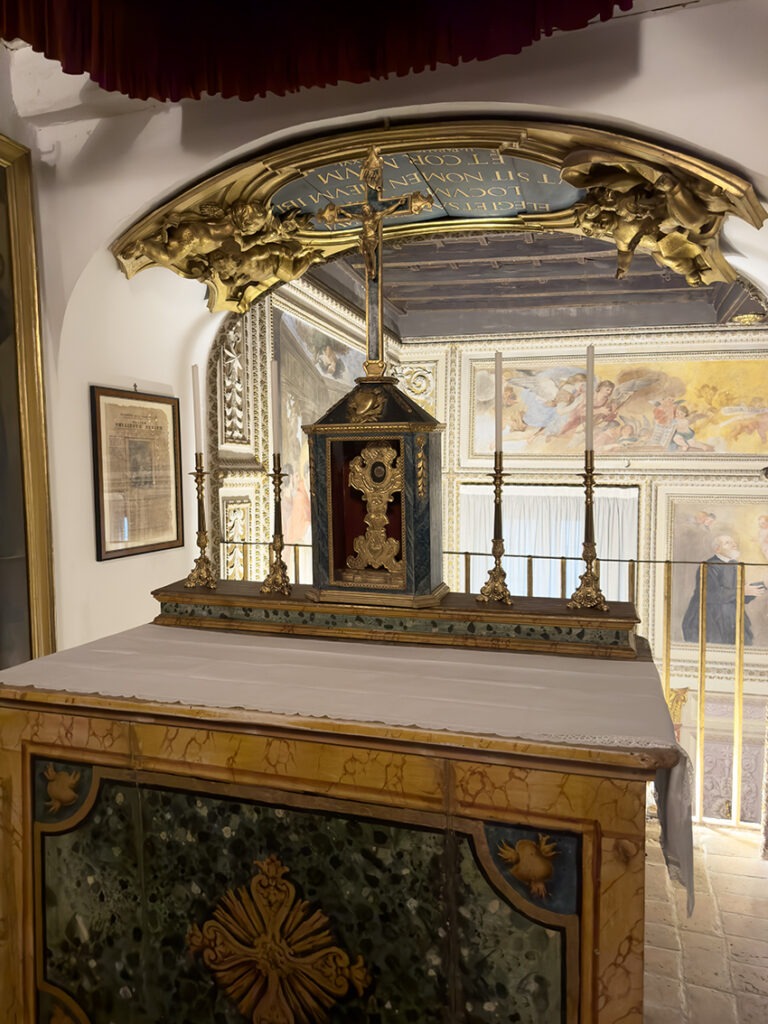
Free access has not gone away. The FAI (Fondo per l’Ambiente Italiano, Italy’s national heritage trust) opened more than 700 places, many normally closed, on October 10 and 11 this year, only asking for a voluntary donation. Talone said these kind of initiatives were fundamentally important.
“The question is not choosing between accessibility and private experiences,” she said. “It is making sure the latter do not take opportunities away from the former.”
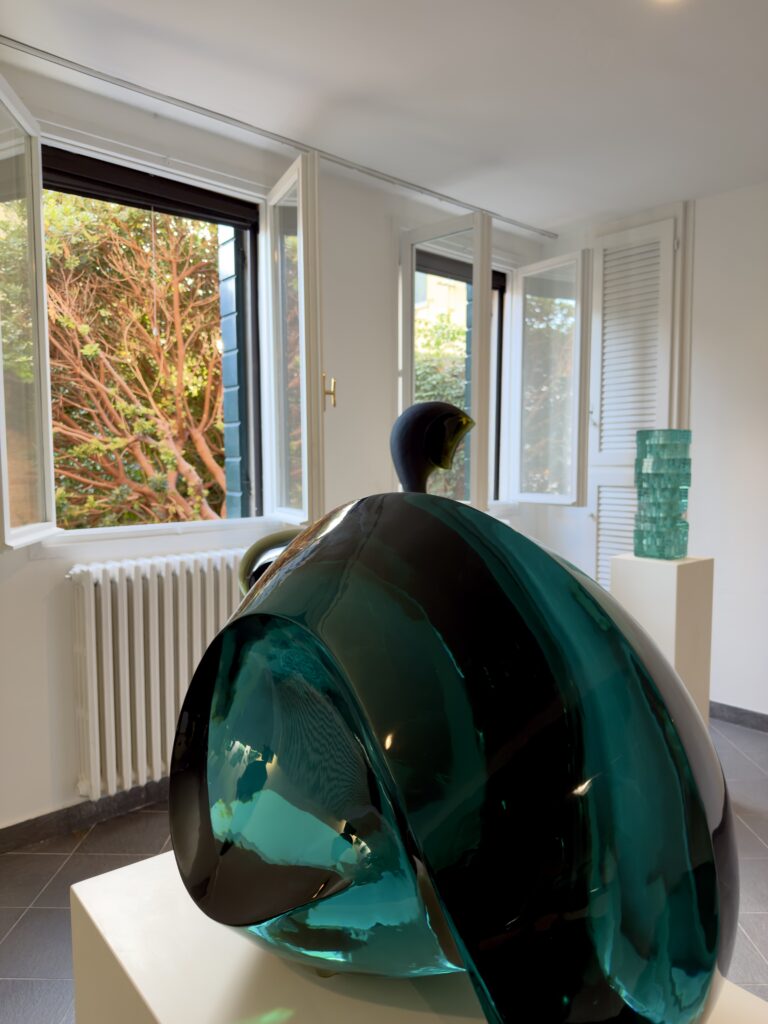
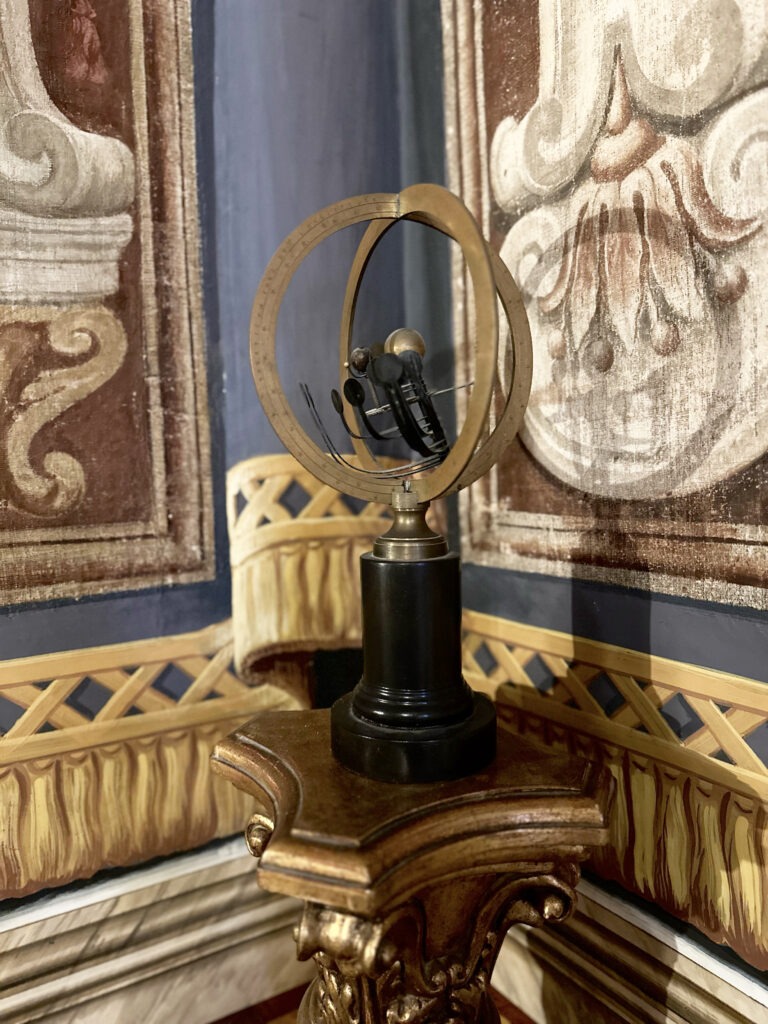
Miciporto also runs Edible Collection with Art Diners, a food art collective, opening private collectors’ homes to small groups. At the first, postwar Italian art shared the rooms with design pieces and archaeological finds.
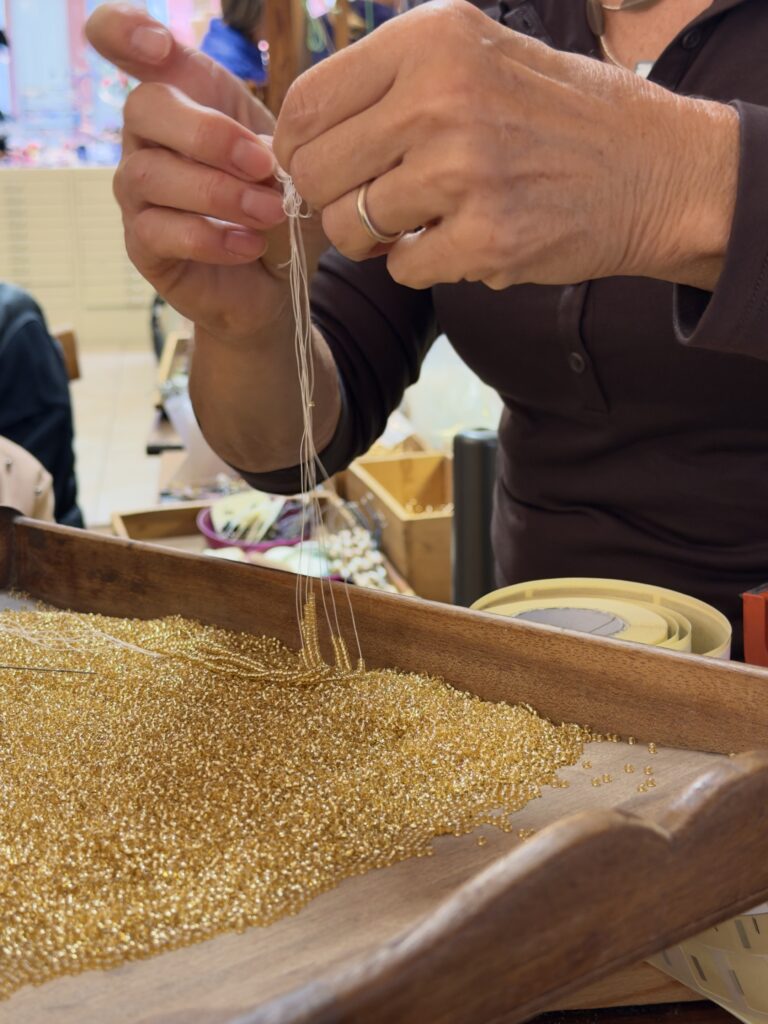
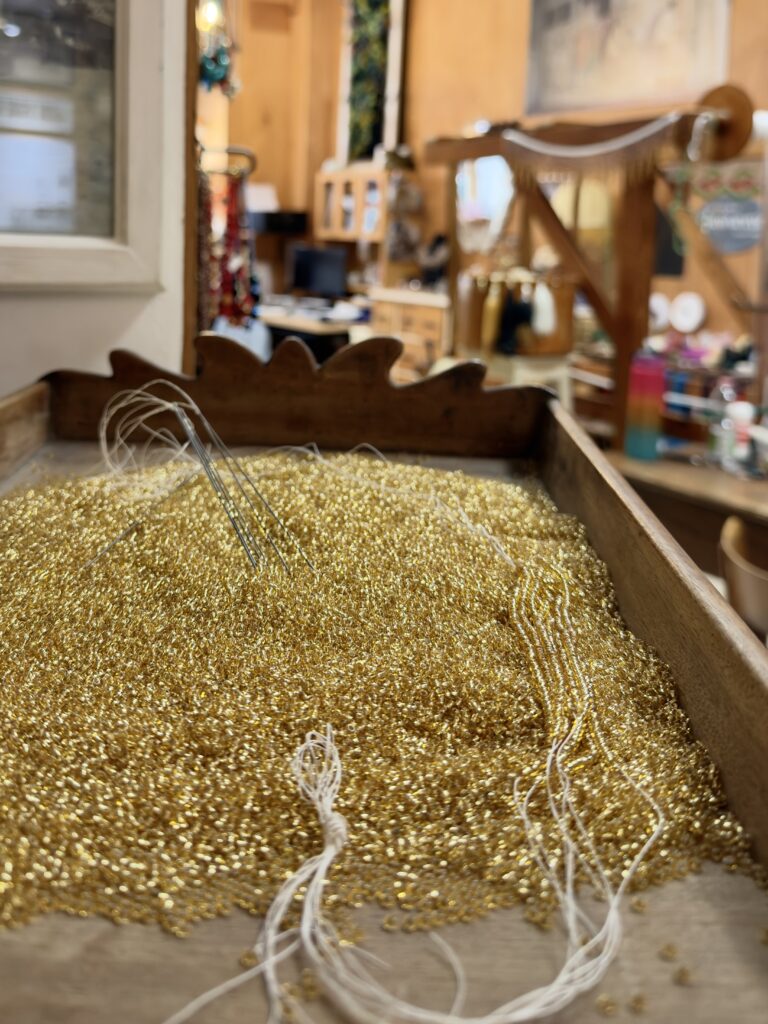
In a recent Miciporto event held In Venice on October 16, 10 guests visited the the Atelier Impiraressa, where glass beads continue to be threaded by hand in line with the age-old local tradition, after having taken in the local Murano glassblowing artisanship.
Participating guests on these exclusive cultural experiences are asked to put their phones away. “I am not asking them to give up a memory,” Talone said. “I am proposing they build one that does not depend on an image.”
Talone’s model is primarily focussed on culture and art in favour of economics, as she says she is far off from being able to claim the sums add up. “I don’t want to present Miciporto as a perfect model,” she told Italy Now. Even so, her choice of small groups over volume, she added, means constantly striving for a just equilibrium between quality, cost, and price.