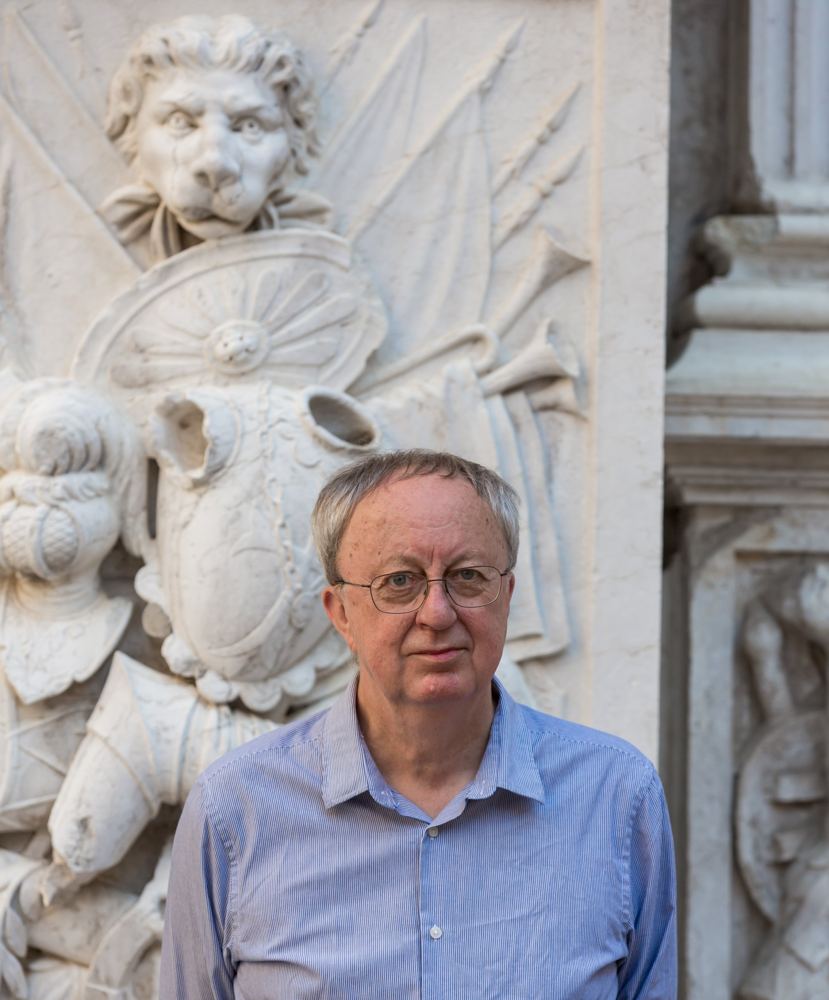
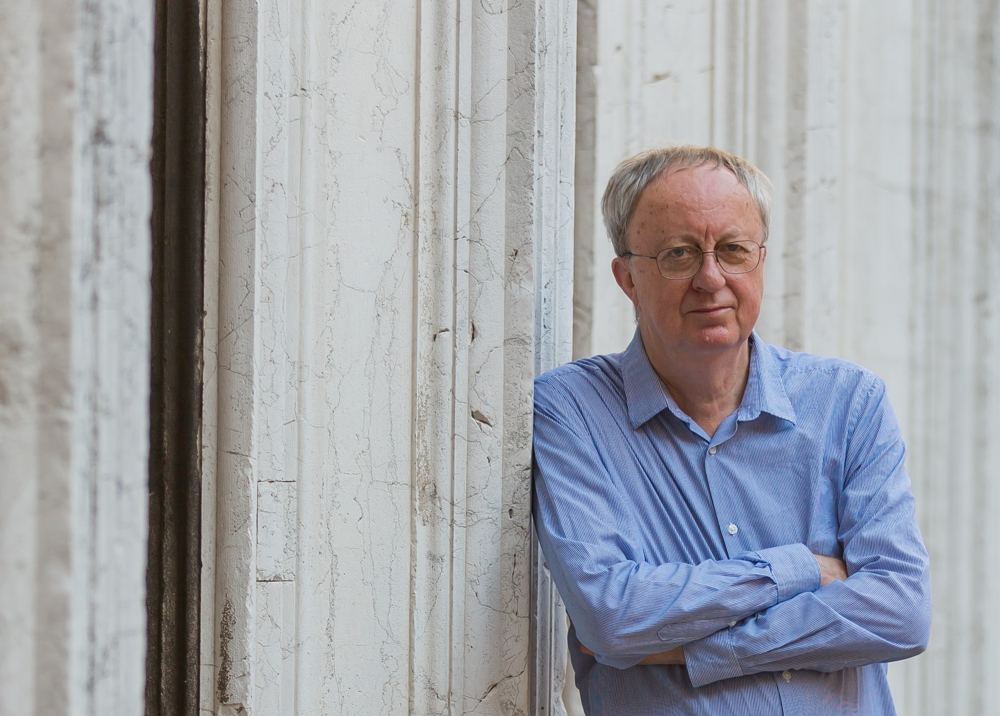
VENICE — David Hewson, the British novelist who co-founded Venice Noir and directs its international programme, opens four days of free panels on Thursday, November 12. His latest Venice mystery is The Devil in Dorsoduro.
Q. How did one bookshop talk in 2023 become four days at La Fenice?
Philip Gwynne Jones, Gregory Dowling, and I held a tiny event at Libreria Studium, and people queued into the street. We realised Venice had everything a crime festival needs, except the festival. Then the Ateneo Veneto opened its arms to us. Offer authors a venue like that and they come, and so do the readers.
Q. The Ateneo Veneto once housed a brotherhood that comforted men condemned to hang. Is Venice a born crime city?
It’s made for it. This was a republic with a Council of Ten (its secret state security tribunal), a network of informers and assassins, and the lion’s mouths, letterboxes where you could denounce your neighbour in secret. The geography does the rest, with alleys, dead ends, and endless canals. You get the locked room mystery for free.
Q. Ian Rankin won your first award, a glass dagger. What is this year’s prize?
The Lama d’Ombra, the Blade of Shadow, designed by the artist Andrea Morucchio. It’s a blade in a red so deep it reads almost as blood, rising from blackened, charred-looking wood. I’d be a very poor festival director if I told you who wins. Come to Casanova’s old casino on Sunday and you’ll find out.
Q. Why does a noir festival need classicists and a pathologist?
Because crime fiction didn’t begin with Sherlock Holmes. The Romans were obsessed with poisoners. Peter Stothard, Emily Gowers, and Josephine Quinn discuss how ancient stories shape fiction today, and Suzy Lishman, one of Britain’s foremost pathologists, analyses three real historic poisonings.
Q. British and Italian writers share your stage. Who learns from whom?
Italy’s thriving crime scene is underrepresented in English. Many great books never reach translation, even when the stories are popular on British television. If anybody’s learning here, it’s us.
Q. Venice Noir is a non-profit run by volunteers. What does it take?
A great deal of goodwill. There’s no money for travel fees, so our authors come because they love the idea. My moment from last year was seeing Ian pick up the prize. He was the first big name to back our madcap project, and we wouldn’t be where we are without him.
Q. Your detective Arnold Clover is an outsider. What does he see?
An outsider notices what locals have stopped seeing. The way a boat becomes a delivery van. The silence in August. Arnold asks questions a Venetian would never dream of asking. And a dachshund called Bruno is a good way into any story, because dogs open conversations.
Q. Where do you want Venice Noir in five years?
The festival writers and readers mark in their diary every year, still free, still in these extraordinary buildings, with more Italian and international voices. I don’t want it to lose its intimacy. If it ever feels like a trade fair, we’ve blown it.
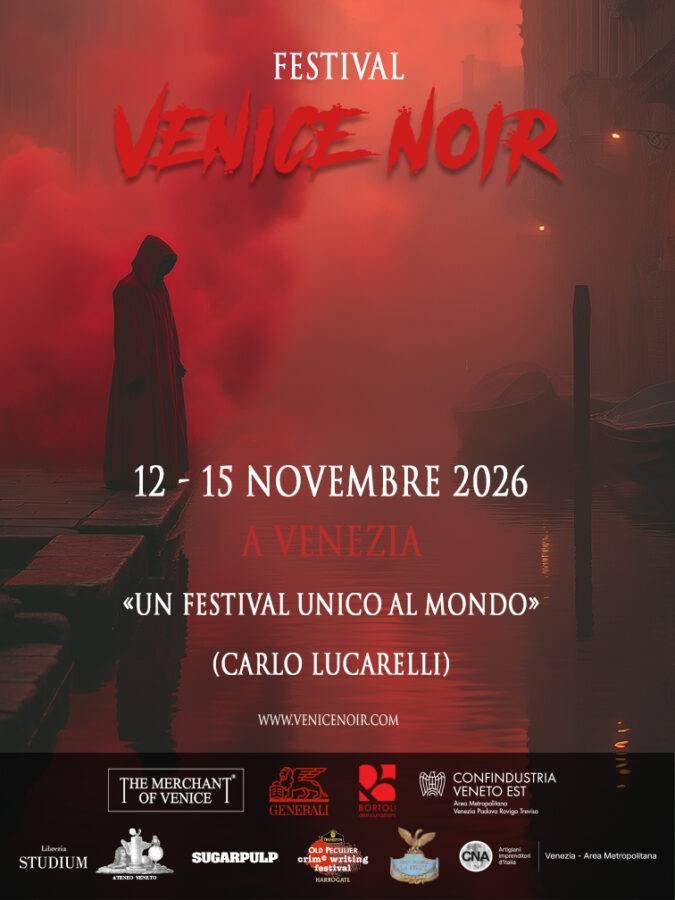
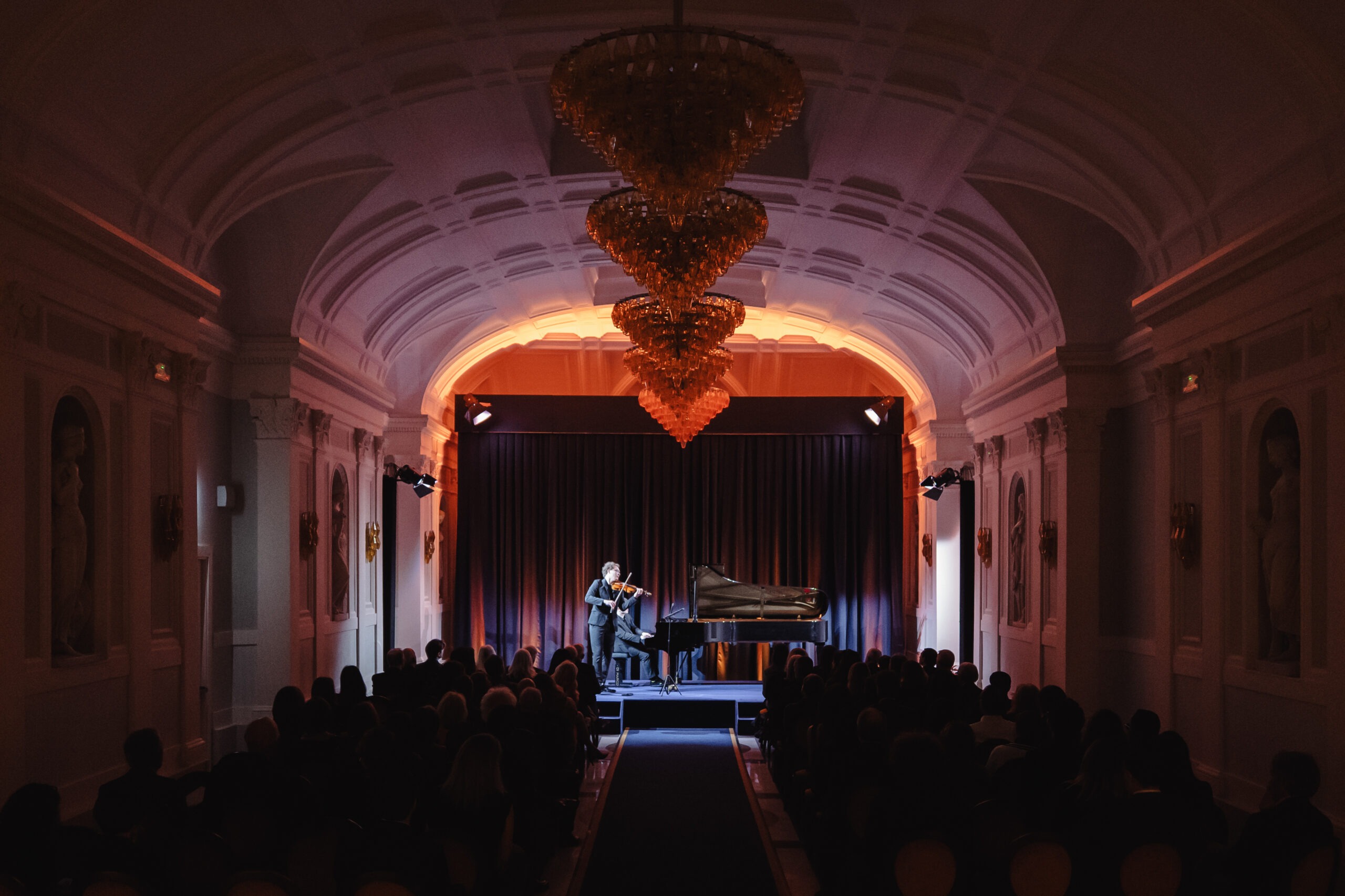
Venice Noir runs until November 15 at the Ateneo Veneto, Teatro La Fenice, Sant’Apollonia, the Fondazione Querini Stampalia, and the Hotel Monaco & Grand Canal. The full international programme is online. All public events are free, but booking is advised through Eventbrite.
This interview has been condensed and edited from the Italy Now podcast.
Photo credits: Iain Reid, Venice Noir