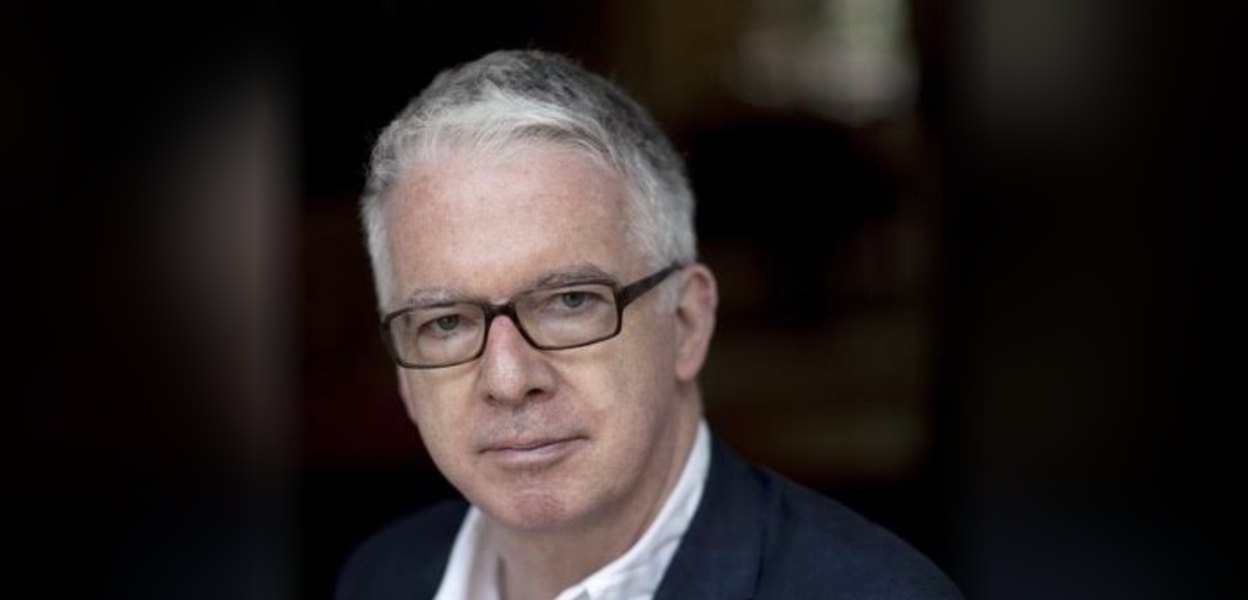

VENICE — Peter Stothard, editor of The Times newspaper from 1992 to 2002 and the Times Literary Supplement from 2002 to 2016, is among the experts bringing ancient Rome to Venice Noir, the crime writing festival that opens its third edition on Thursday, November 12.
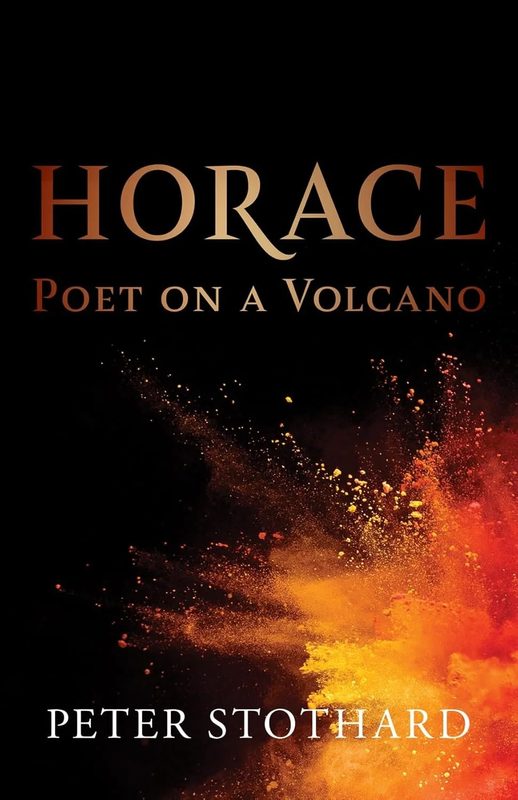
Italy Now spoke to him about Venice Noir and his latest book, Horace, Poet on a Volcano, which was shortlisted for the 2026 James Tait Black Prize for biography.
Q. Venice Noir brings you to the lagoon this week. What can the Romans teach today’s crime writers about suspense?
Venice Noir is a great place to discuss dark crime in the classics. One of the darkest for me is the Oedipus story, the man who murdered his father and married his mother without realising what he had done, and then pulled his eyes out.
The Greek version is more suspenseful since Sophocles’s Oedipus plays detective and ends up proving that the villain is himself. The Latin version, by Seneca, has less suspense but a more brutal portrayal of how a character faces catastrophe.
Both show key techniques for modern writers but we can usually learn more from antiquity about free will and fate than how to keep the pages turning, or those papyruses unrolling.
Q. In The Last Assassin your hero is not Brutus but Cassius of Parma, the last of Caesar’s killers left alive. Why him?
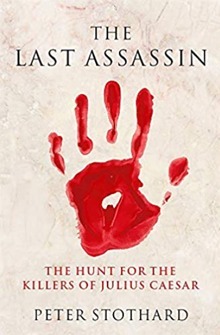
When I was first thinking about my book, The Last Assassin, the Hunt for the Killers of Julius Caesar, the story reminded me of the movie Munich, the Israeli hunt for the killers of their Olympic athletes back in 1972, and also of Charles II’s ruthless pursuit of those who signed the death warrant for his father, Charles I.
Unlike those successors in vengeance, Julius Caesar’s son, the Emperor Augustus, preferred to play down his plan. I decided to play it up.
I chose the little known poet assassin, Cassius Parmensis, as the central character because by living longest Parmensis had the best chance to see how the assassination had achieved a tyranny, the exact opposite of what his fellow killers had hoped.
Q. Horace fought for the assassins at Philippi and, by his own account, threw away his shield and ran. How did he end up as Augustus’s favourite poet?
Horace was a student supporter of those assassins but quickly saw the benefits of Augustus’s peace, both to Rome and to himself. He was never on any blacklist.
The main thread of my Life of Horace last year was how a war-damaged poet made light of his undistinguished fighting record for the losing side and became a laureate of the new age. Talent, as modern noir writers should be pleased to note, was the main contribution to his success.
Q. Everyone knows carpe diem. Which darker, stranger Horace did you want readers to meet?
Carpe diem (seize the day) became his most famous phrase, used now in toasts and on wine bottles to say ‘Live for the present’. Philosophers have claimed deep meanings here (and I wouldn’t deny that) but it is primarily a request that his lover stop reading her horoscope and come to bed with him as fast as possible.
Horace’s modern readers have often preferred him as light-hearted lover but a biographer has to read everything.
Q. Why is he a poet on a volcano?
Horace also described the political dangers of tiptoeing across the thin solid crust of a volcano, the volcanic rage of a war survivor left with nothing, and an explosive misogyny that fits uneasily with the sunny persona that his supporters prefer.
Q. Legend has Venice founded by people fleeing the collapse of the Roman world. Is it the right city to talk about how empires end?
Yes, Venice is the perfect place to contemplate the end of empire. None of our noir writers this week, not even the most confident, will better Lord Byron here. By the end of the weekend I am sure that many of us will have ‘stood in Venice on the Bridge of Sighs’, deploring global warming and much else besides.
The Last Assassin is published in Italy as ‘Il delitto che ha cambiato la storia di Roma antica’ (The crime that changed the history of ancient Rome) by Newton Compton Editori. Horace, Poet on a Volcano is published by Yale University Press.