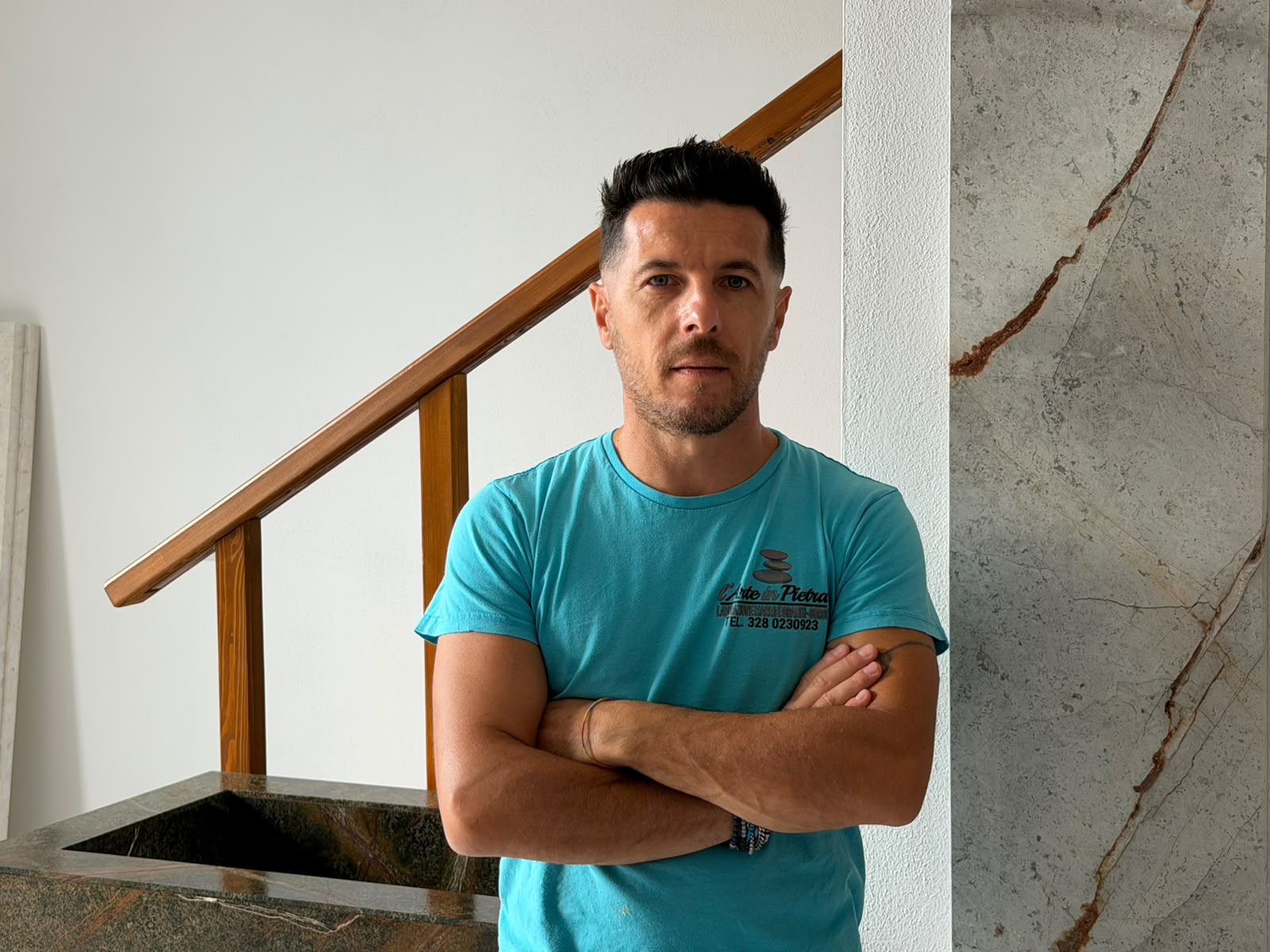
GALATONE, Apulia — We spoke to Carlo Cascione at Tenuta DonnAnna, a working country estate in the heart of Salento, Apulia, where his family has farmed for generations. He told us his earliest memory of the place is the smell of rosemary at the family’s annual October religious celebration. His mother’s cooking experiences were born from a chance remark overheard mid-conversation, he said, and now draw visitors from around the world. The estate grows Senatore Cappelli wheat, an ancient variety popular in the 1930s and now being revived for its flavour and digestibility, mills it on site, and turns it into pasta made entirely by hand. Carlo also built a cycle tourism operation from scratch, inspired by student days exploring Salento by bike. The new Ciclonica route, he said, is opening up a new season of slow tourism and spreading visitors and income into the inland villages that mass tourism never reaches.
Q. Your earliest memory of Tenuta DonnAnna. What do you smell, what do you see?
“I’ve always been here as a child and I remember the smell of the rosemary, which reminds me of the first Sunday in October. We used to have, we still have, a religious celebration which gathers all the family. When I smell the rosemary, it reminds me of those times.”
Q. Your mother runs the cooking courses. What does she teach, and who comes?
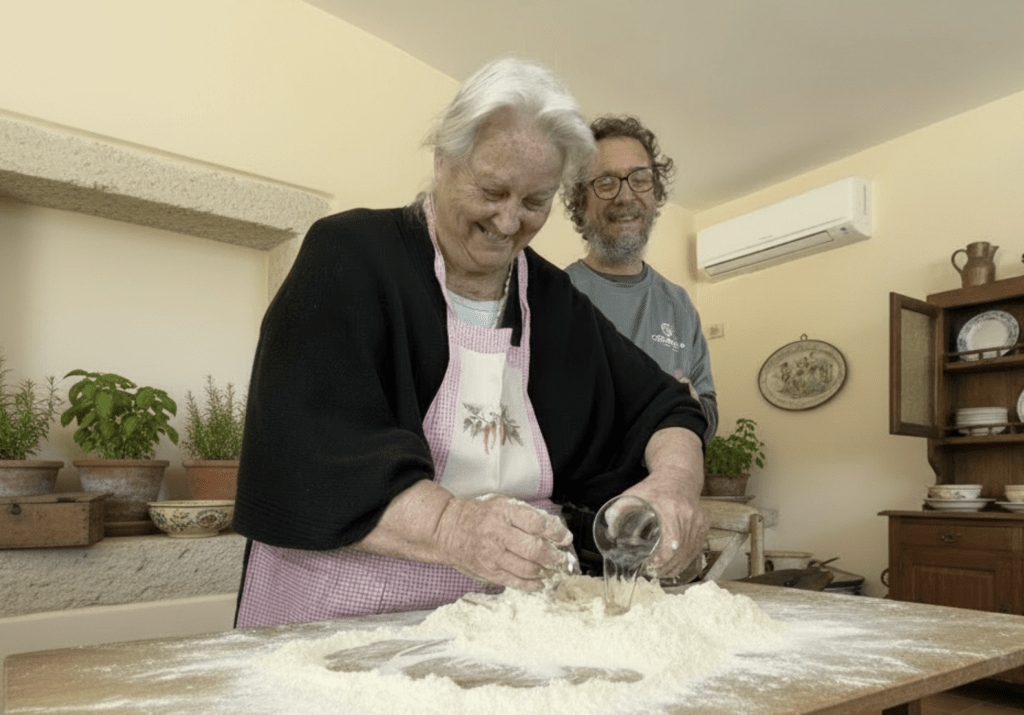
“It’s not something really technical. We teach how to make typical dishes, especially orecchiette, which is a typical pasta from the region. But I think it’s more about sharing the place, being together, eating together, mettere le mani in pasta (putting your hands in the dough).”
Q. How did the courses begin?
“I was talking with my business partner and somebody asked us to do a cooking class. Suddenly my mother, who was walking close to us, said: ‘I can do that. Let’s do that.’ It was a very successful thing. Now we have people from all over the world coming. And sometimes people cry. We don’t know why, but we are there cooking and eating together and people cry. They become emotional.”
Q. Walk us through the wheat, from field to plate.
“We cultivate an ancient variety called Senatore Cappelli, which was very popular in the 1930s but was gradually abandoned because it grew very tall and was not suited to machinery. In the last 15 years a movement has been trying to recover it, partly because it is very good for people who are intolerant to gluten. We grow the wheat, go to the mill, make the flour, and then use it to make pasta. It goes directly from the land to the table.”
Q. Where did the cycle tourism idea come from?
“I was doing that with my friends when I was younger. I didn’t have a car at the time, so when friends came from all over Europe, we explored the region by bike. It was so nice that I thought: I want to share this with other people. I built the cycle tour company and now we have people from all over the world coming here.”
Q. What does the Ciclonica route, the Salento Ionico cycle path, mean for the local economy?
“Here in Apulia, especially in Salento, we have a lot of tourists, but most concentrate in July and August. Cycle tourists travel in spring and autumn, so you open up the season. And they don’t just visit the two or three most famous cities. When you cycle, every metre is a discovery. They go to the cheese farmer, they visit the little winery. It spreads the economy across the whole region.”
To listen to the Italy Now podcast with Carlo Cascione at Tenuta DonnAnna, click here.