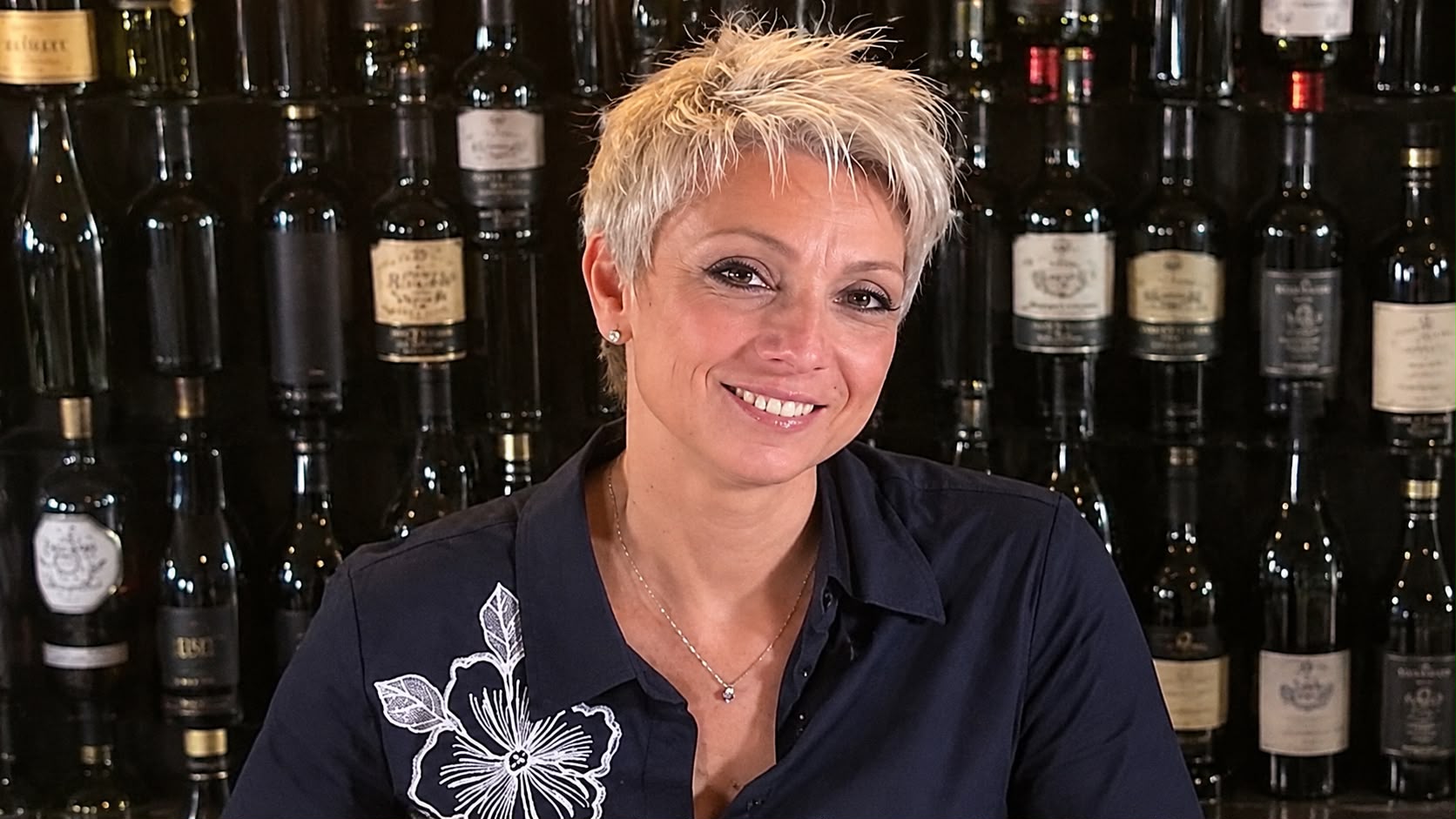
RAVENNA, Emilia-Romagna — We stepped inside the Church of San Vitale in Ravenna with Professor Robin Cormack, one of the world’s leading authorities on Byzantine art and author of Byzantine Art for Oxford University Press. Standing beneath mosaics consecrated in 547 AD, he told us why this small city holds a place in art history that Rome, Florence and Venice cannot match. From the shimmering gold tessera covering every surface to the famous panels of Emperor Justinian and Empress Theodora, he brought one of the ancient world’s greatest achievements back to vivid life. King Charles made a special pilgrimage here during his 2025 royal tour of Italy, and it’s easy to see why once you walk inside.
Q. Robin, we’re completely surrounded by gold. It leaves one speechless. What are we looking at?
“This is not only a traditional Christian church but also a very scholarly one. These mosaics are such that you can look at each part and it has a message. The message is partly imperial power and partly Christian faith. They’re combined in a very clever way.”
Q. When people think of Italy, they think Rome, Florence, Venice. Why does this small city in Emilia-Romagna matter so much?
“For a short time, Ravenna was the capital of the Western Roman Empire. But it is also the beginning of Christian art. You’re seeing a shift in power towards a Christian empire — power and religion combined in one place.”
Q. It’s not paint, it’s not fresco. What is actually happening up there on the walls?
“Gold is light, the light of paradise. What you’re meant to feel is that you are in paradise, surrounded by the divine light of God. That adds another dimension to the world you’re standing in.”
Q. Emperor Justinian and Empress Theodora. And yet Justinian never actually came to Ravenna, did he?
“He was brilliant at getting other people to do his work. Italy was reconquered in 540 by Belisarius, and then the images of the emperor and empress were placed here as symbols of power. But if you look carefully, Justinian is carrying the bread for the Eucharist and Theodora the wine. They are part of the whole ceremonial of the church — as leaders, but also as subjects to Christ.”
Q. Some people might think Byzantine art sounds dry. Why should they make the trip to Ravenna?
“It only seems dry because Vasari, the great Renaissance art historian, wanted to downgrade Byzantium so that he could elevate Italy. In fact, Byzantium and the Renaissance are completely interconnected. As for King Charles III, he is genuinely fascinated by Byzantine art. He retreats to an Orthodox monastery every year and has set up an icon painting school in England. That is why he came to Ravenna.”