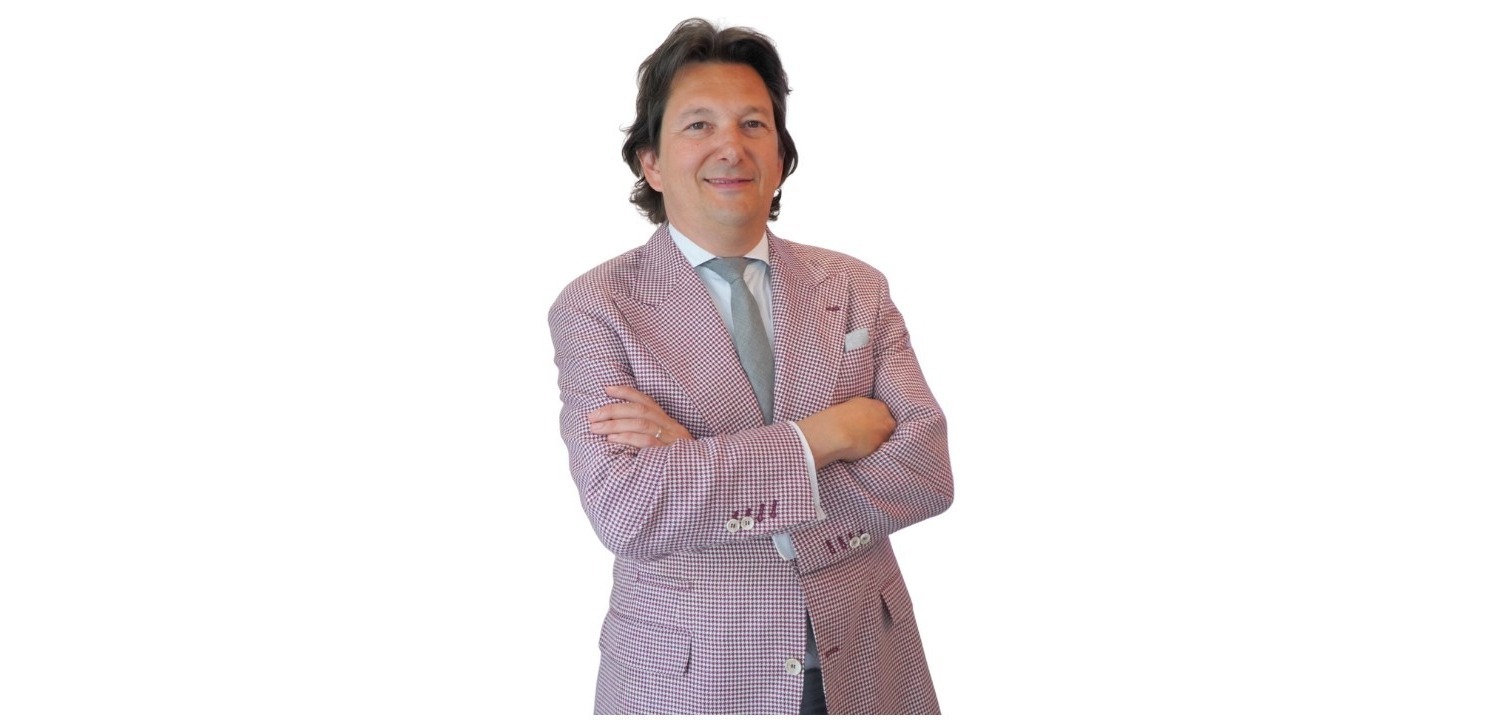
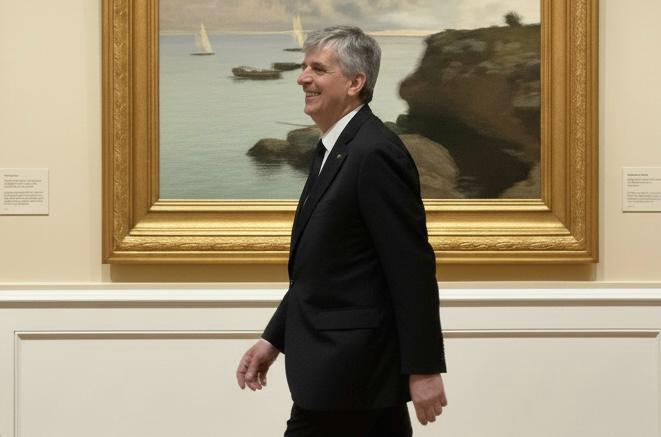
ROME — Gianmarco Mazzi, Italy’s newly appointed tourism minister, spoke to Italy Now on tourism, UNESCO recognition for Italian cuisine, and the substantial benefits the sector generates for the national economy. Sworn in on April 3 as successor to outgoing Daniela Santanche, the former culture undersecretary and entertainment producer from Verona came with numbers. Tourism’s direct share of GDP stands at 13 percent, he said, but factor in the full supply chain and the real figure rises to 26 or 27 percent, or more than a quarter of the entire Italian economy. He sees technology as the answer to overtourism and village depopulation alike, arguing that a well-informed, digitally savvy traveller can be nudged toward the fifty extraordinary places that exist within fifty kilometres of any famous city. Italy’s south, he told Italy Now, remains the great untapped opportunity.
Q. What is tourism actually worth to the Italian economy?
“The value of tourism in Italy, which is a pillar of the economy, is 13 percent. But if we consider data from the Milan Chamber of Commerce showing that the average tourist spends only 30 percent of their budget on hotels, that figure is clearly much higher. Everything that tourism sets in motion, all the knock-on activity, brings it to at least 26 or 27 percent – more than a quarter of the entire GDP. That is the true value of the tourism industry.”
Q. How relevant is tourism to Italy’s economic future?
“Investing in tourism means investing in Italy’s future. It is fundamental – this is our vocation. It may sound almost obvious, but I think it above all for the regions of the south. You go south and you see kilometres of coastline, places that, if we could show them to tourists and promote them properly, would reveal a natural calling for tourism that is already there. I don’t think I am discovering anything new, but we will try to make it work.”
Q. Could tourism also help address issues like the depopulation of villages?
“Those are problems that were described to me at the meeting, including overtourism and everything that goes with it, and I knew some of them already. On those I said that in my view we need to remember technology, because if you want to try to distribute tourist flows more evenly, and today’s tourist is evolved and technologically capable – I have already tested this in the cultural sector – the tourist wants to arrive and have a calm, serene experience. So we have to invest in technology, learn to manage these flows, and explain to someone who wants to see a city centre that within fifty kilometres of that city there are fifty marvellous places to discover.”
Q. You mentioned that Italy’s excellent wine estates and wine producers are fuelling the growth of the phenomenon of enotourism (wine tourism). What is the idea there?
“There are many wine estates and cellars all around Italy, extraordinary places, simply marvellous. These deserve to be far better known than they are now. The kind of tourism that is growing, that is what tourism is becoming, and I would push these cellars. I have come to the conclusion that these are the right things to do.”