


ROME — Italy’s tourism now generates 26 percent of GDP, and the UNESCO cuisine recognition is expected to bring 18 million new visitors.
Italy’s tourism sector generates 26 percent of national GDP, Tourism Minister Gianmarco Mazzi announced at the Italian hoteliers (Federalberghi) annual meeting in Rome, which was also attended by Prime Minister Giorgia Meloni.
“Tourism is essentially a piece of us,” Meloni told the assembly. “It is the sector that identifies us, characterises us and tells the world better than anything else what it means to be Italian.”
The UNESCO recognition of Italian cuisine is projected to bring 18 million additional visitors per year, with product exports set to grow by four to six percent annually, Agriculture Minister Francesco Lollobrigida told those present.
Food first
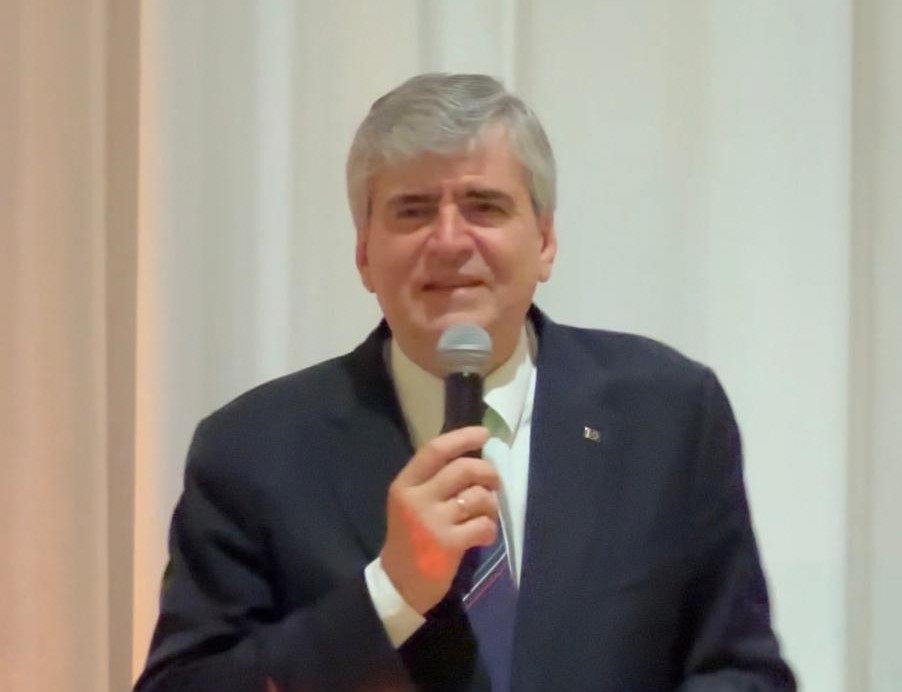
Today one in two tourists arrives in Italy primarily for the Italian cuisine, Lollobrigida told the hoteliers’ meeting in Rome. Monuments and coastlines remain draws, but food has become the primary hook.
“Before, people came for the monuments and the sea, and they also ate,” he said. “Today they come to eat, and then see everything else.”
Product-linked tourism is expected to accelerate as a result. Visitors who discover burrata (traditional fresh cheese) in Andria, Apulia, or hazelnuts from the Langhe hills of Piedmont are drawn into territories they would never otherwise reach. “Inside every Italian product,” Lollobrigida said, “there is a piece of Italy.”
UNESCO designation
Italy did not secure the UNESCO designation because of its recipes. It won because of convivialità (conviviality), the practice of eating as a shared social act rather than mere sustenance. “We won for our capacity to not consider food exclusively as nutrition but as something that makes us feel well, that must be lived,” Lollobrigida said.
The designation was secured against resistance from France and Spain, and was driven jointly by Lollobrigida and Mazzi during his previous role as undersecretary for culture. Federalberghi president Bernabò Bocca, re-elected by acclamation to lead an association representing more than 27,000 hotels and 250,000 workers, described hoteliers as Italy’s true ambassadors. “The tourist speaks well not only of the hotel but of the country,” he said. As a result “the multiplier effect” on the economy “is very significant”.