ROME — A new cultural initiative in Rome is bringing rarely seen archaeological treasures out of storage and into everyday public spaces, as part of an effort to rethink how Italy’s vast heritage is displayed and experienced.
Under the “Arte fuori dal Museo” (Art outside the Museum) project, three artefacts from the Ostia Antica archaeological park are now on display in prominent hotels in the Italian capital, offering visitors a chance to encounter ancient history outside traditional museum settings.
Out of storage
The initiative, promoted by Federalberghi Lazio in partnership with LoveItaly and Italy’s Culture Ministry, aims to make previously unseen works accessible to a wider audience.
Many Italian museums face chronic space constraints, with large portions of their collections kept in storage. According to officials, only a fraction of artefacts from Ostia Antica are currently on public display.
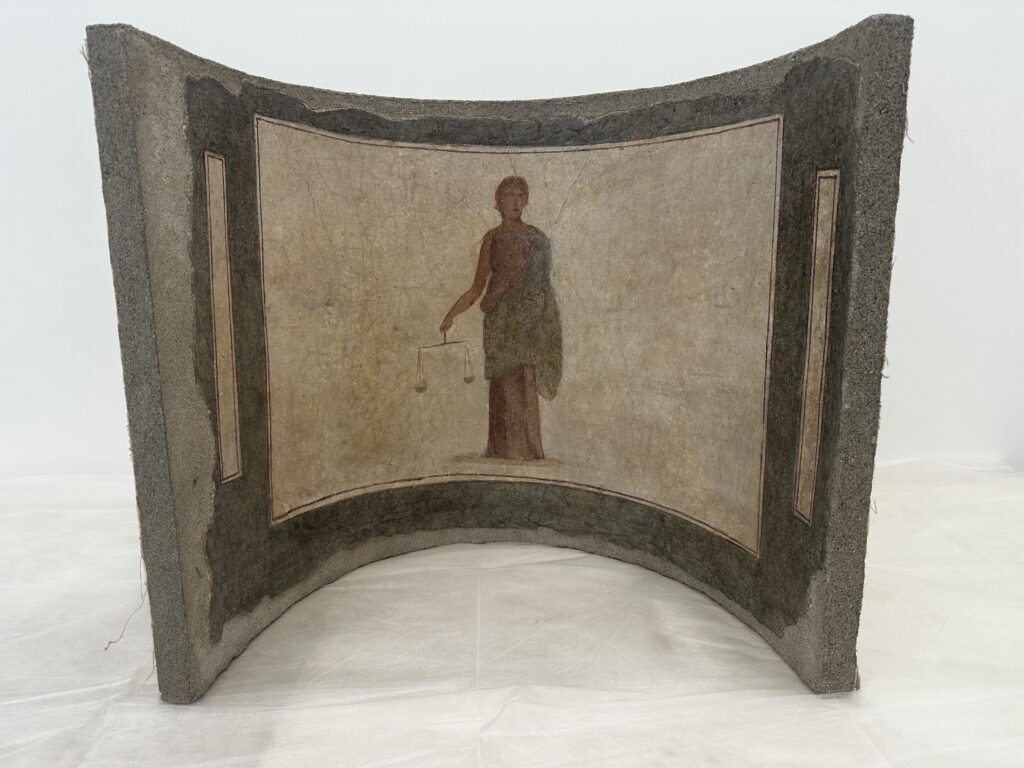
Among the works now exhibited are marble heads of two Roman noblewomen and a restored fresco depicting a classical deity, all dating back to the 2nd century AD. These include representations of Faustina the Elder and Domitia Lucilla, alongside a depiction of Lachesis.
Displayed in the lobbies of hotels including the Hotel Diana, the Hotel Universo and the Hotel Scalinata di Spagna, the artefacts have been restored and placed in glass cases, transforming hospitality spaces into what organisers describe as “diffused museums”.
Blending tourism, heritage
The project operates through a collaborative model in which participating hotels select artefacts from museum storage, fund their restoration and insurance, and host them for a limited period of around 18 months.
Support also comes from the Fondazione Roma, a former banking foundation turned philanthropic entity, which is helping to finance the restoration work.
“This is not simply about display, but about enhancing and activating heritage,” said Carlo De Angelis of Hotel Diana. “Our aim is to offer an experience that goes beyond a stay, allowing guests to encounter Rome’s history from the moment they arrive.”
Officials say the choice of hotels reflects their role as high-traffic spaces visited by international travellers, offering new visibility for artefacts that would otherwise remain unseen.
Alessandro D’Alessio, director of the Ostia Antica archaeological park, said the initiative responds to a structural challenge. “A large proportion of our collections remains in storage due to lack of space,” he noted. “Hotels, which welcome thousands of visitors each year, are ideal places to present these works and promote Italy’s cultural image.”
Organisers hope the project will encourage further partnerships and inspire visitors to explore museum sites themselves, creating a wider cycle of engagement between tourism and cultural heritage.