FLORENCE — Florence has its first modern urban vineyard, planted by hand on a northeast-facing hillside beside Piazzale Michelangelo and the Iris Garden, with views across the Arno to Brunelleschi’s dome and the Fiesole hills. The vineyard has not produced wine since the Middle Ages.
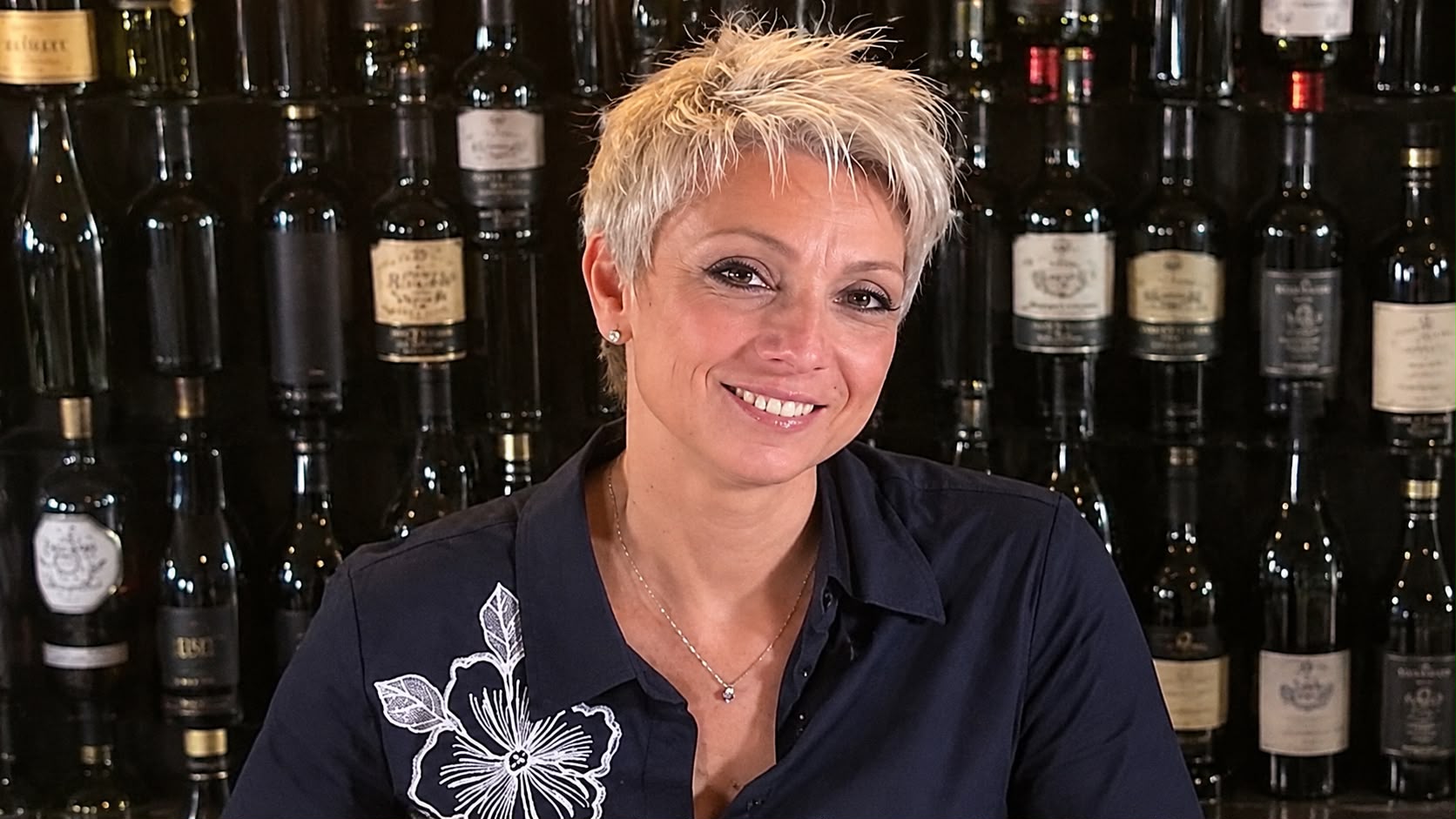
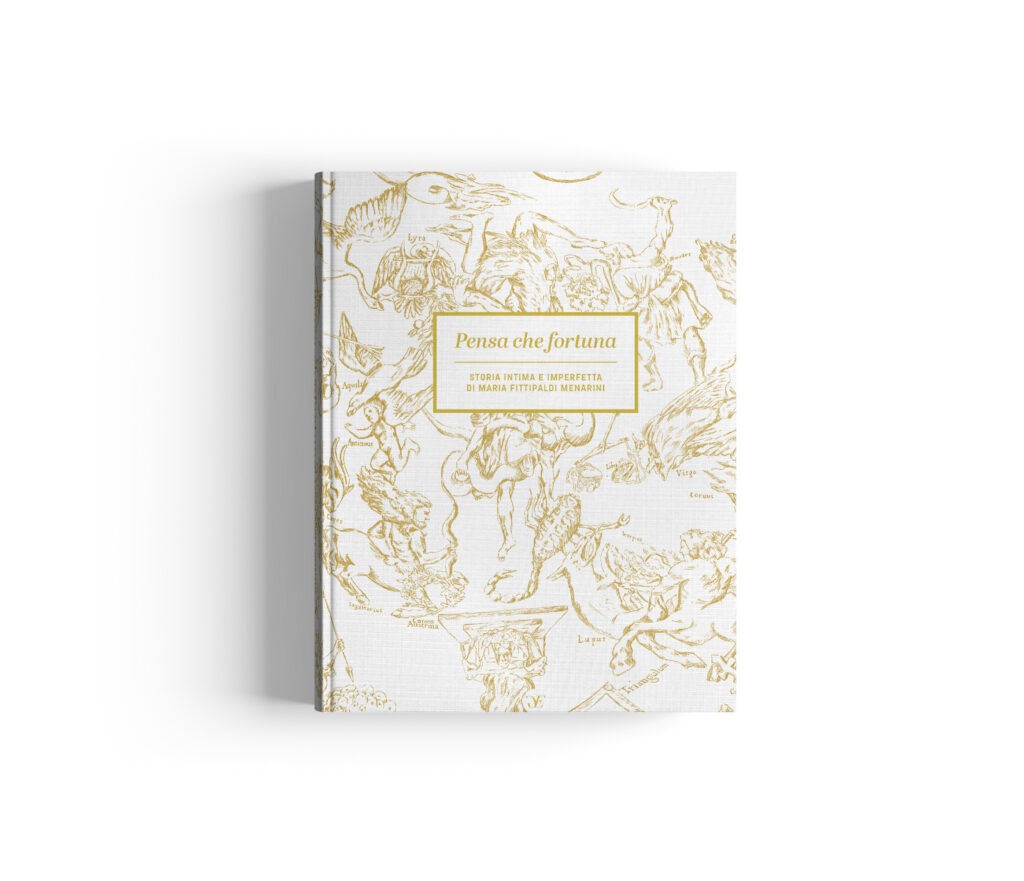
The woman behind it, Maria Fittipaldi Menarini, has just published a memoir, Pensa che fortuna (“How lucky am I”), that reads more like a novel than an autobiography. Released in November 2025 by Gruppo Editoriale, it traces a life that moves from Swiss boarding schools and prestigious Florentine family homes to Tuscan vineyards, setbacks, and reinventions.
“I resuscitated it with an eye to history,” Fittipaldi Menarini told Italy Now of the vineyard. “It was replanted two years ago, so it will first produce next year. It still has to be born. Wine in general I have been producing for some 20 years.” Fittipaldi Menarini’s resuscitation of the ancient vineyards is part of a growing trend.
Rare natives, organic methods
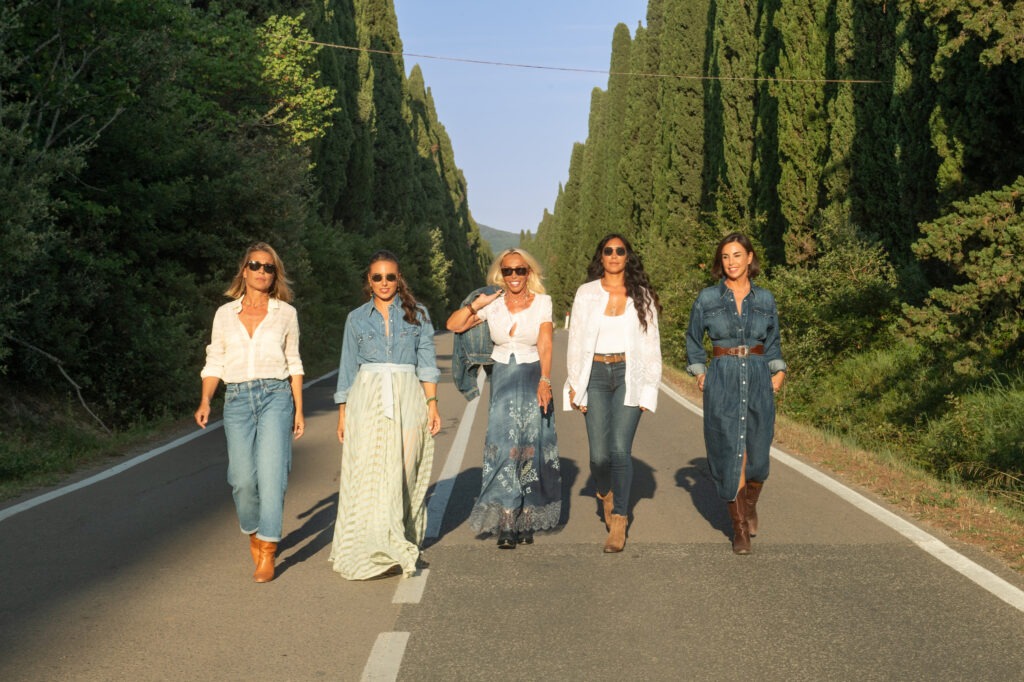
On March 14, 2024, Fittipaldi Menarini and her four daughters, Carlotta, Giulia, Serena, and Valentina, planted 700 vines on a site that once formed part of the Fittipaldi family estate. In a country where women hold just 15 percent of senior roles in the wine industry, according to Unione Italiana Vini (the Italian Wine Union), an entirely female-led operation from vineyard to cellar remains a rarity.
“Maria is the perfect example of an entrepreneur as a mother, with all its highs and lows, which only raised the business acumen she now pours into her vineyard,” said Rita Gilbert, founder of the Economics of Motherhood. “And I look forward to seeing the fruits of this family’s labour in the wine they produce!”
The vineyard is planted in the alberello (bush vine) style, which keeps vines low and stresses them into producing concentrated fruit. The varieties are all rare Tuscan natives: 300 Sangiovese, 150 Canaiolo, 100 Foglia Tonda, 100 Pugnitello, and 50 Colorino del Val d’Arno. Agronomist Stefano Bartolomei and enologist Emiliano Falsini oversee the project, farmed organically. The first quality harvest is expected in 2027, producing around 700 bottles for charity auction.
A city-wide revival
The Urban Vineyards Association, founded in 2019, now counts more than 100 registered sites across 35 countries, covering over 600 hectares. Italy leads with 32 sites in 15 cities. The Vigna Michelangelo is part of a wider Italian urban vineyard initiative that also includes sites in Turin and Catania. Donne Fittipaldi, their winery, has operated for two decades from the Tenuta La Pineta estate in Bolgheri, a prestigious DOC (Denominazione di Origine Controllata, a protected Italian wine designation) zone on Tuscany’s Tyrrhenian coast.