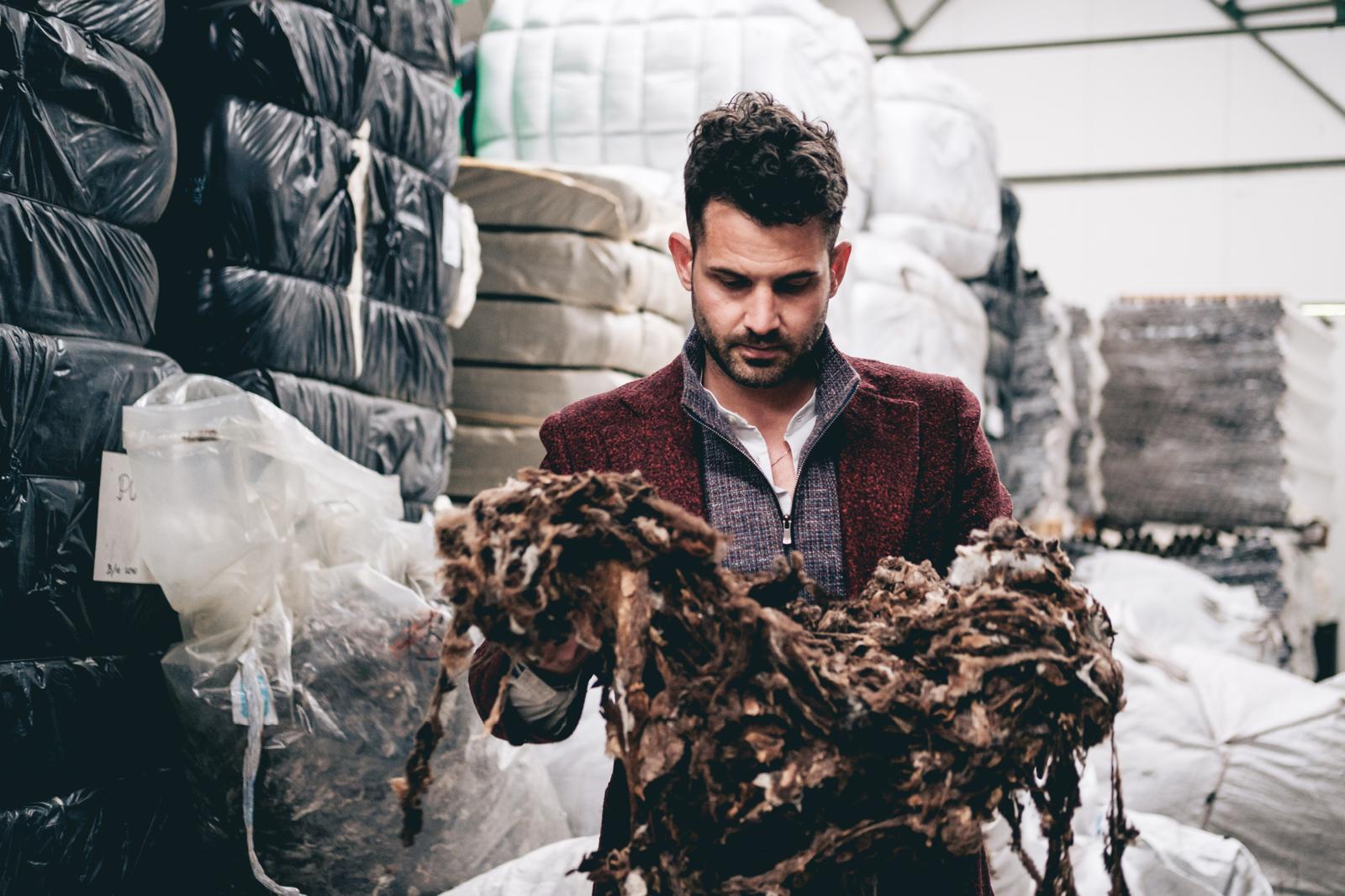

VITTORIO VENETO, Veneto — The brown in Stetson’s Barista caps this summer did not come from a chemical vat. It came from spent coffee grounds, and the mill that dyed the cloth has been working in this town since 1861.
Stetson, the American hat maker founded in 1865 and known for the cowboy hat, had the wool, silk, and cashmere cloth dyed at Lanificio Bottoli, a family run wool mill.
Dersut, a Conegliano roaster founded in 1949, collects the grounds from the bars it supplies. Bottoli has dyed with them since the spring and summer 2023 season, alongside indigo, madder root, and weld, which yields yellows and sage greens.
“Using coffee dyed fabric in a heritage brand demonstrates that a concept beyond an experimental sustainability story can now be brought to the attention of the mainstream customer,” said Cesar Cruz, co-founder of Sebastian Cruz Couture.
Colour fastness
Not every fibre takes the colour. “Every textile has its own characteristics,” fifth generation owner Ettore Bottoli told Italy Now. “In this case cotton did take the colour but had little resistance.”
Wool, silk, and cashmere hold it well enough to repeat a shade season after season, which matters when a Korean buyer reorders.
Monday dyeing
The finished cloth does not smell of coffee, because it is washed repeatedly. The dyehouse does.
“During the days of the coffee dyeing, the dyeing department gives off a coffee scent that wraps around the factory,” Bottoli said. The mill schedules it for Mondays. Bottoli has said orders for the line roughly doubled against previous years.
“The key is not to sell sustainability,” said Emmanuel Tamrat, founder of Blindspot Agency. “It’s to sell a better product with a better story that happens to be more sustainable.”
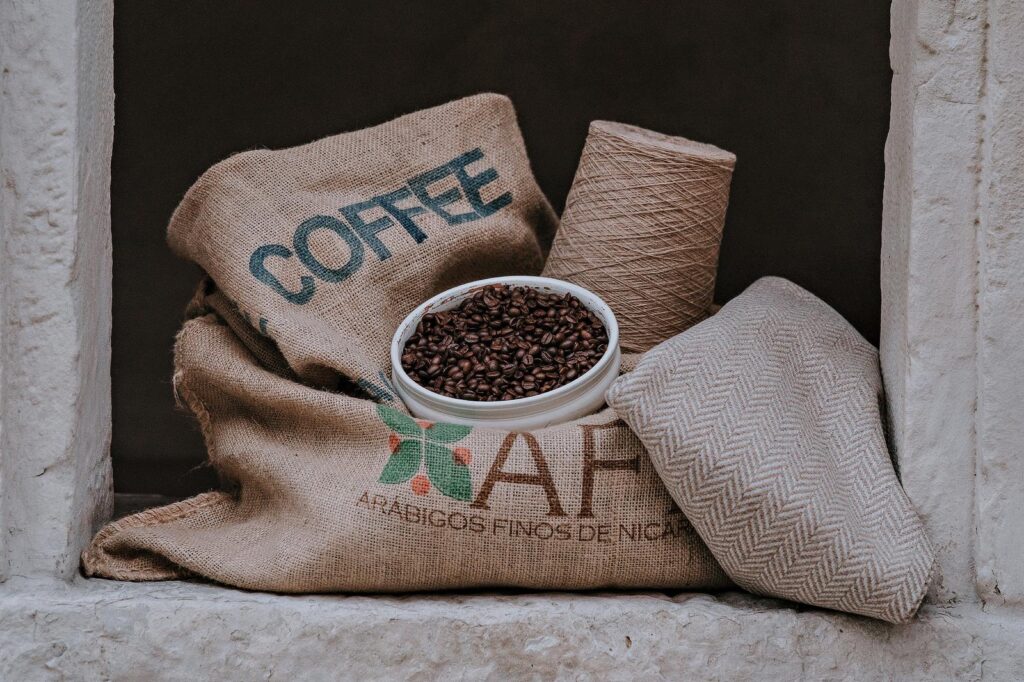
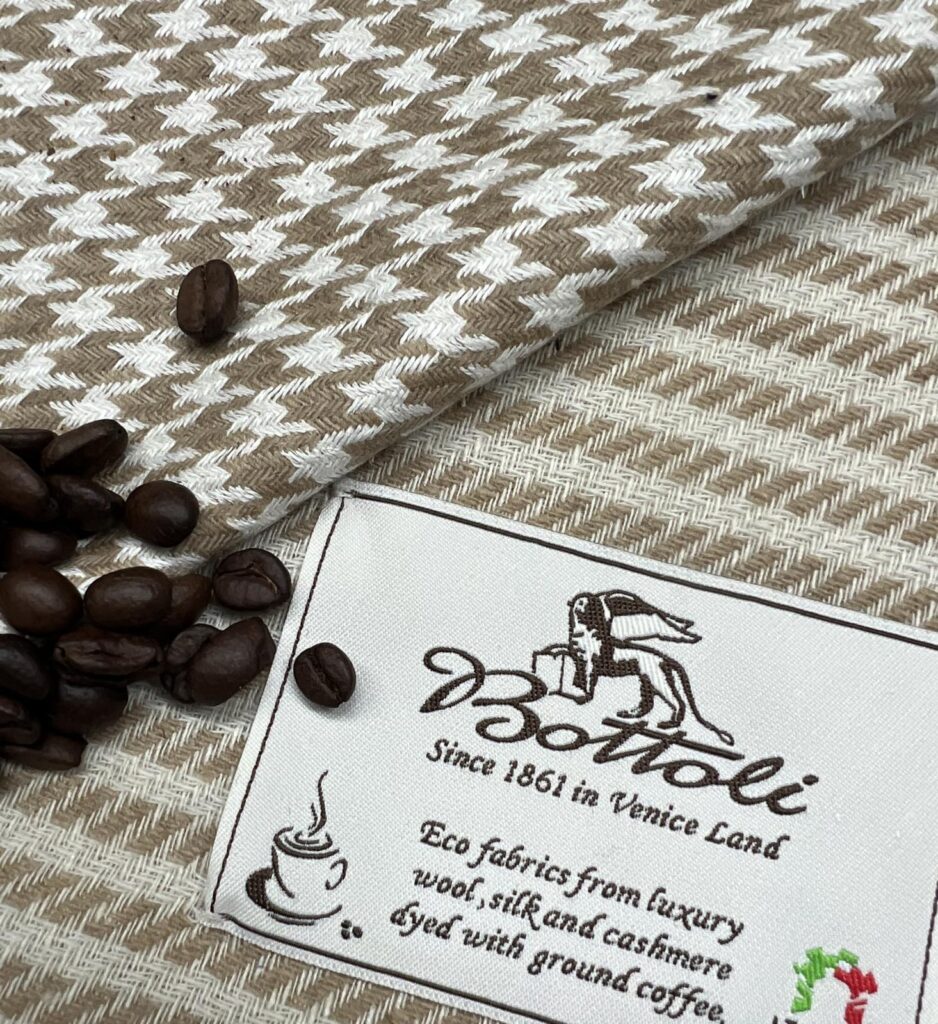
Bottoli employs 35 people, exporting to 21 countries. Designer Junya Watanabe found a sample and flew here to see how it was made.
“It legitimised our work, taking our label into luxury shops around the world,” Bottoli said.
Mainstream reach
In an industry where fast fashion giants weave a token percentage of recycled fibres into a collection and call it sustainable, this reads as the real thing.
“Buyers are ready to pay a premium for natural dyes driven by the authentic narrative,” said Andrey Meshcheryakov, Head of Ways to Win Practice at Recombinators. “It adds a layer of exclusivity and a unique vintage aesthetic.”
Durability remains the open question. “Natural dyes have performance issues, like they fade and bleed, which customers don’t like, so the brands usually stop using them after a season or two,” said Melanie DiSalvo, founder of A Look Behind The Seams.
Ancestral method
In 2000 his father was called mad for insisting on undyed Italian wool.
“Some may see it as an anachronistic heresy. We find it instead the revenge of the old method,” Bottoli said.
A mill of 35 people can still set the terms.