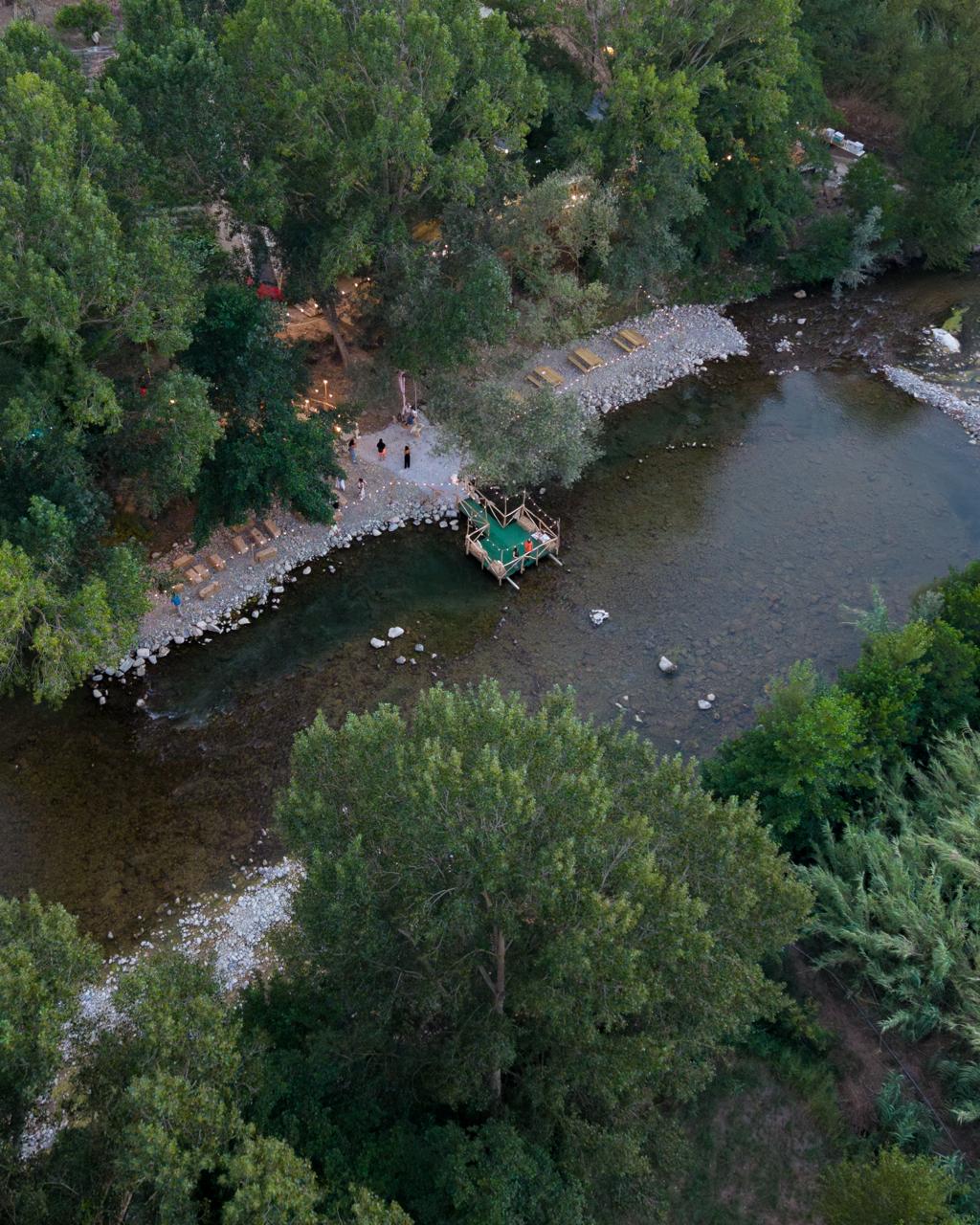

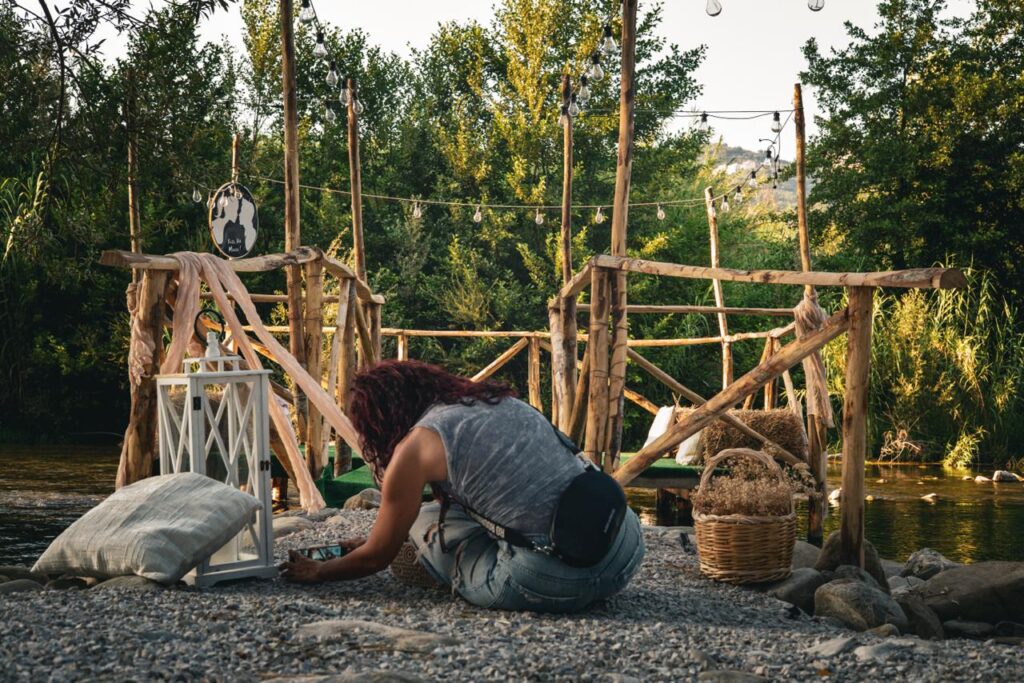
CASTEL SAN LORENZO, Campania — A watermill built in 1579 on the Calore river in Campania became an open air photographic set on July 30, a free experiment by Castel San Lorenzo to pull visitors inland which saw the restored mill put back into use as a cultural hub as the area’s tenth food festival took place.
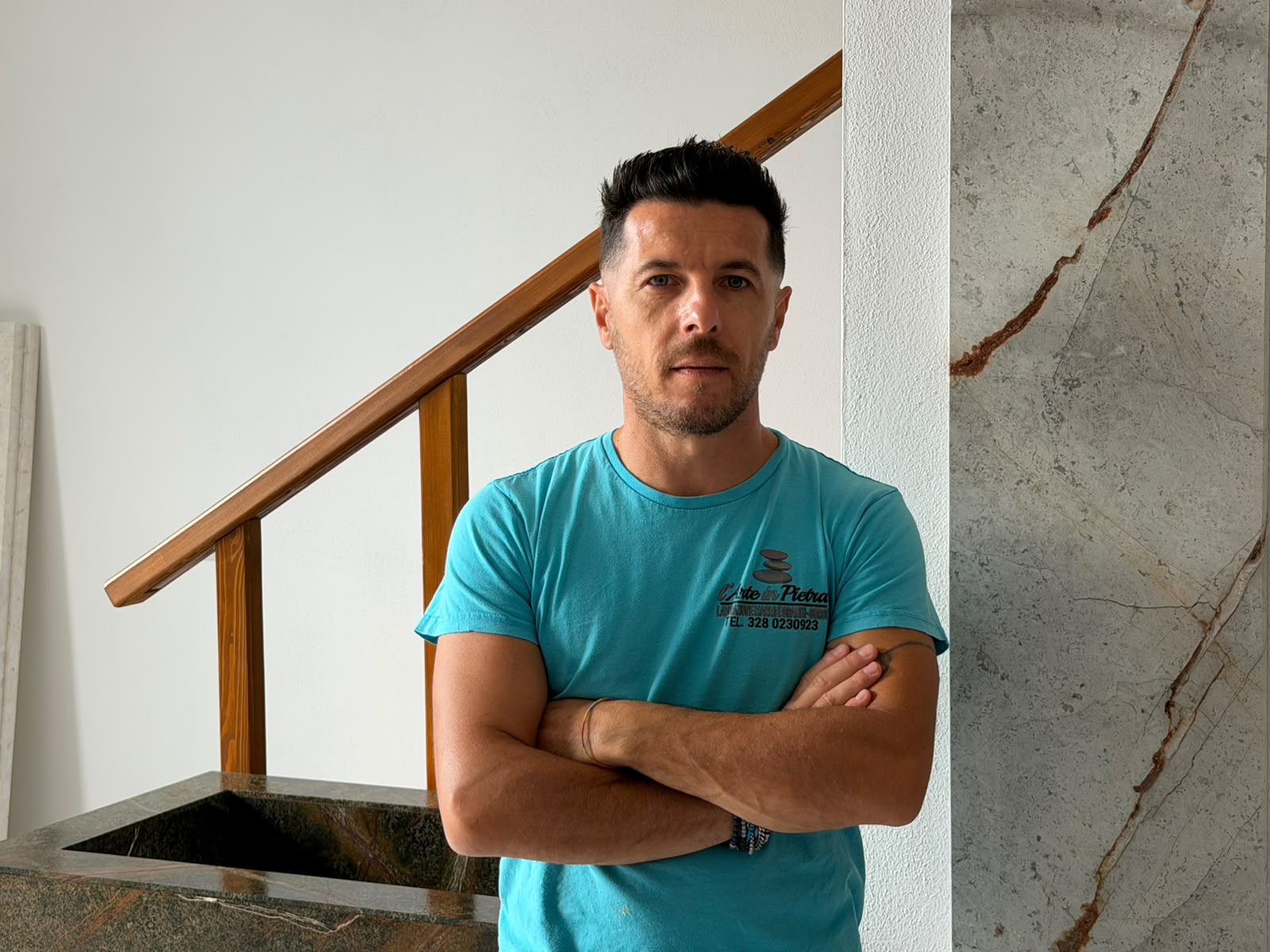
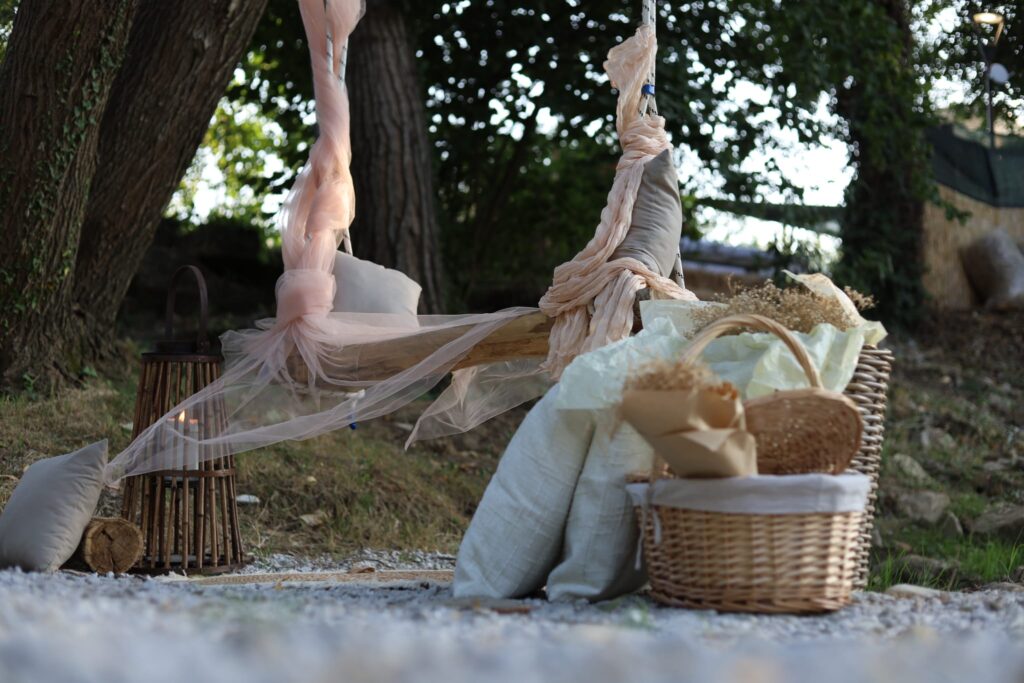
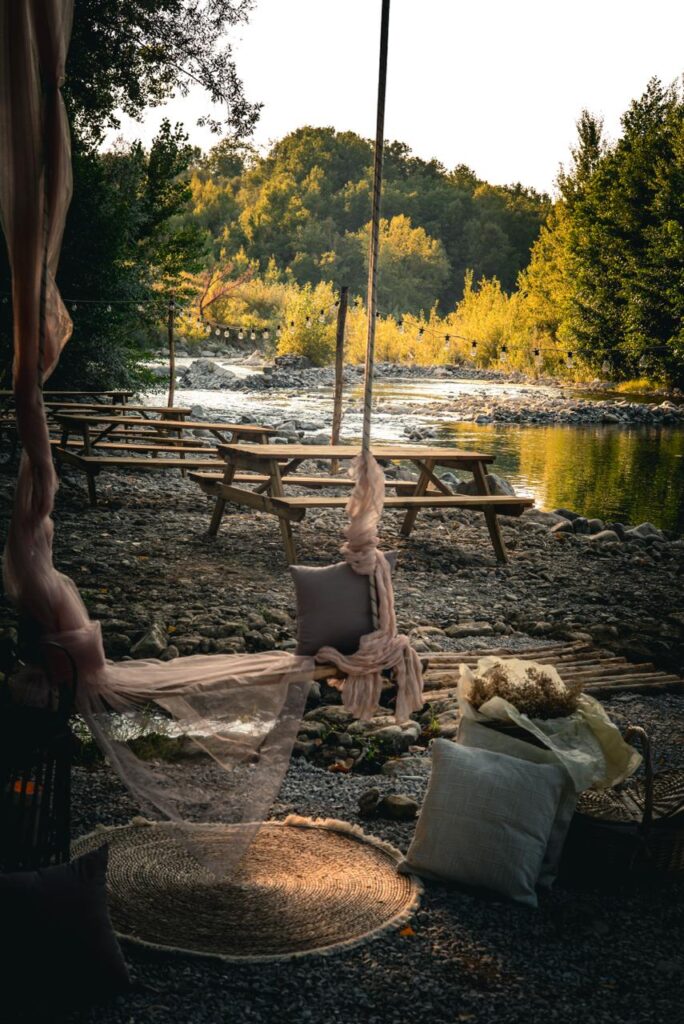
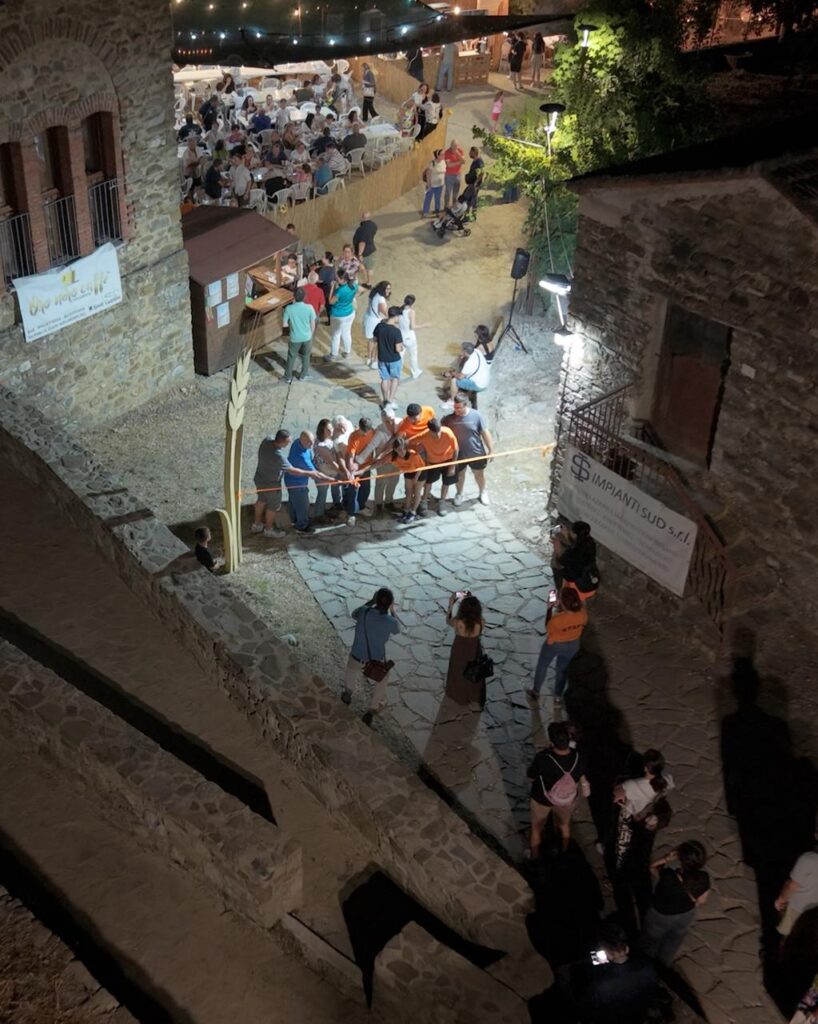
“People appreciated the rural chic atmosphere, which was purposely created to offer the chance to experience the authentic setting of a village festival,” photographer Gianpiero Scufari told Italy Now.
The Creative Shooting Experience ran from 6.30 p.m. to 8.30 p.m. at the Mulino del Principe, or Prince’s Mill, in the Cilento hills below Castel San Lorenzo. Photographers will work across staged sets and riverbank. Taking part is free, by booking, and places are limited.
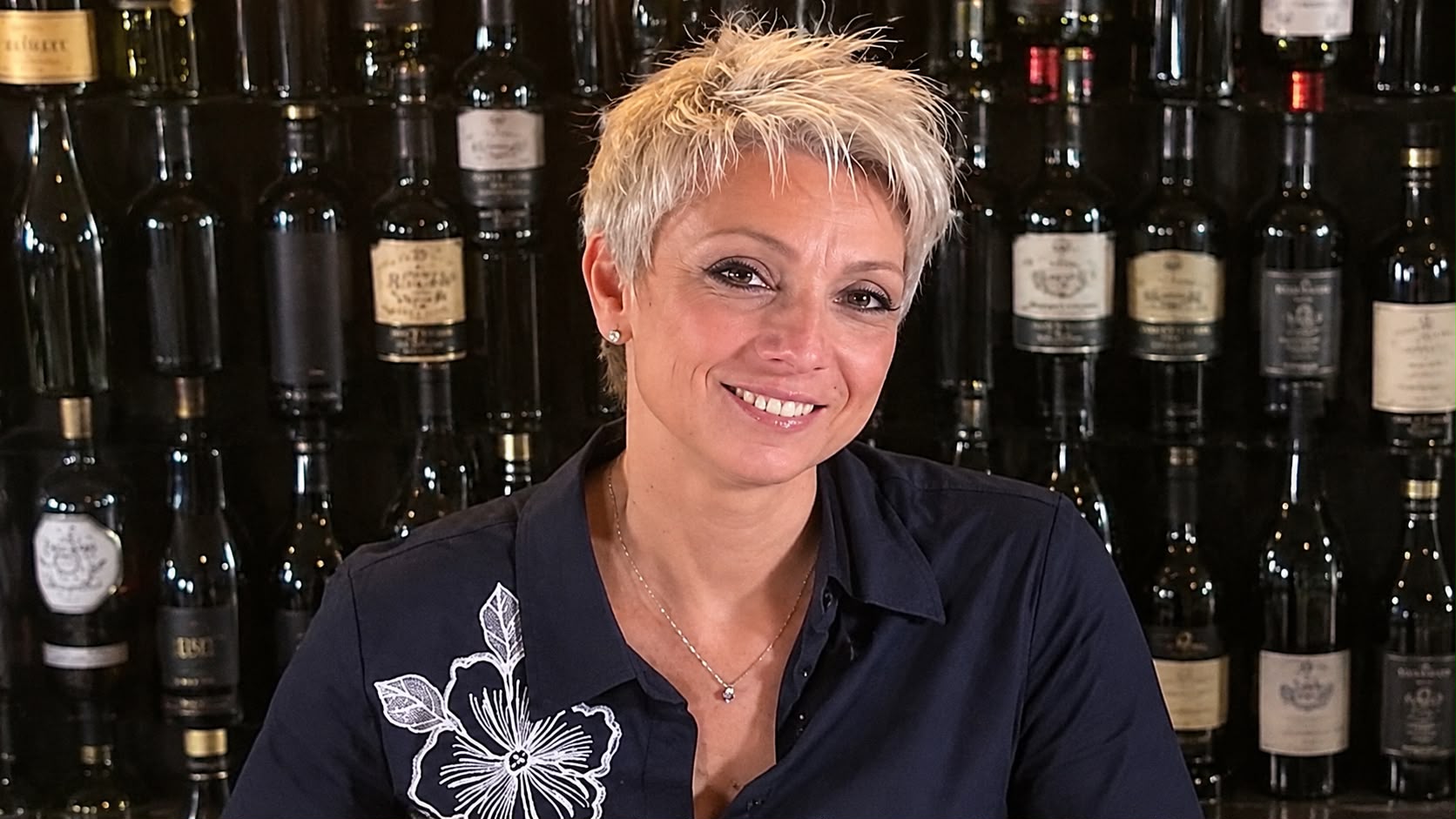
“The idea is to offer natural settings through a format that also lends itself to ceremonies and hospitality. Exclusive luxury is also about this authenticity,” organiser Mafalda Inglese, who runs the My Fair sustainable development agency, told Italy Now.
“The Mulino del Principe area will be the setting for activities run by the Pro Loco of Castel San Lorenzo and Pro Loco Kids,” said Giuseppe Scorza, the mayor, speaking about the wider summer programme, “so that our children and future generations also have a privileged relationship with this place.” Pro Loco associations are volunteer groups that promote a town.
The council describes the aim as bringing generations together and putting the heritage of the village, which has just under 2,200 residents, back into circulation.
Mill, river, bread, music
The mill was built for the Carafa princes, then feudal lords of the village, and for centuries ground the grain of farming families across the valley. A channel about 1,000 metres long, still visible, carried Calore water to drive its machinery. Restoration came in the early 2000s.
The shoot opens the Festa del Viccio, which runs to August 1 and is organised for the tenth year by the village Forum dei Giovani, or youth forum. Live music fills each evening and visitors can eat local produce without booking.
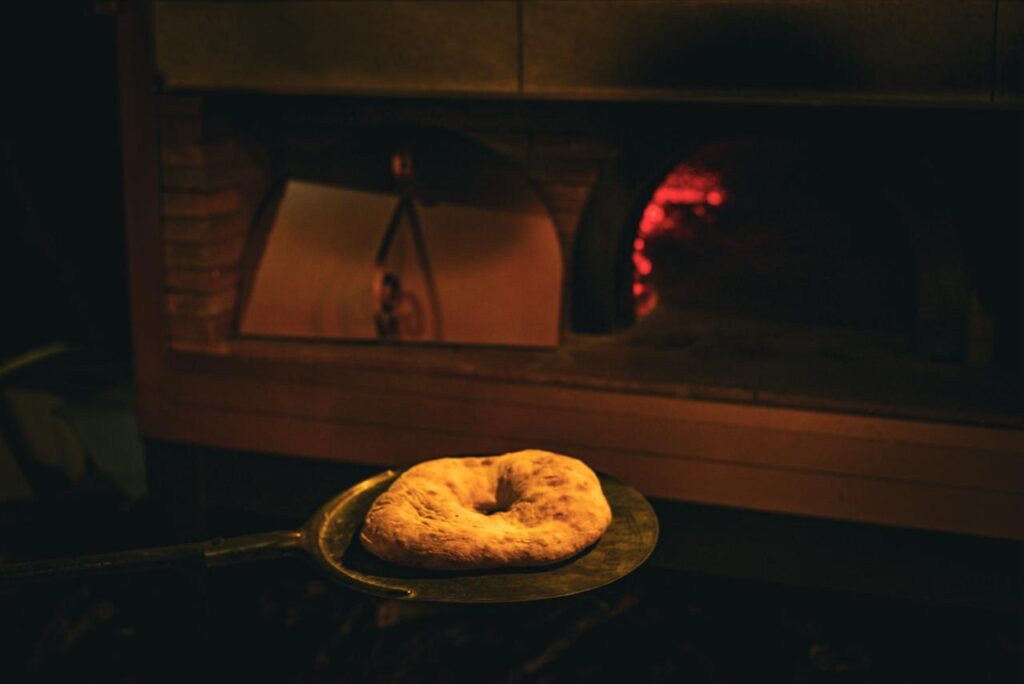
The festival takes its name from the viccio, a ring of bread that bakers once slid into the wood oven to test its heat before the loaves went in, a form of crude thermometer that later became a delicacy.
Public money
The shoot belongs to Tempo d’Estate, or Summer Time, part of the Mulino del Principe project run by the council and delivered by the company My Fair. Craft workshops, children’s activities, and walks continue between the village, the Museo della Civiltà Contadina, the museum of rural life, and the mill until the end of August.
For an inland village in a region where summer visitors head for the coast, the calculation is plain enough. A mill that once ground the valley’s grain is being asked to produce images instead, and images travel further than a festival poster.