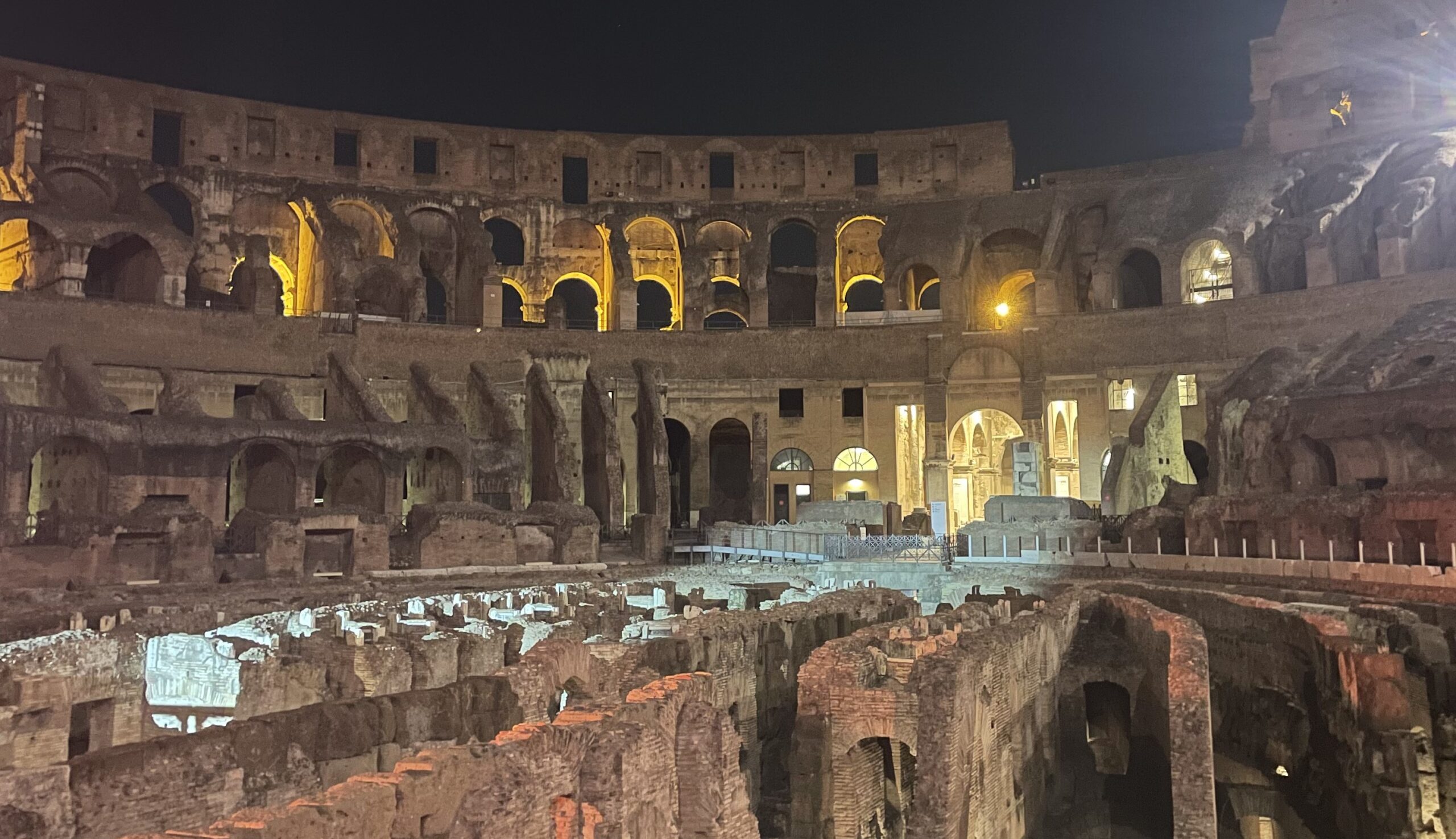

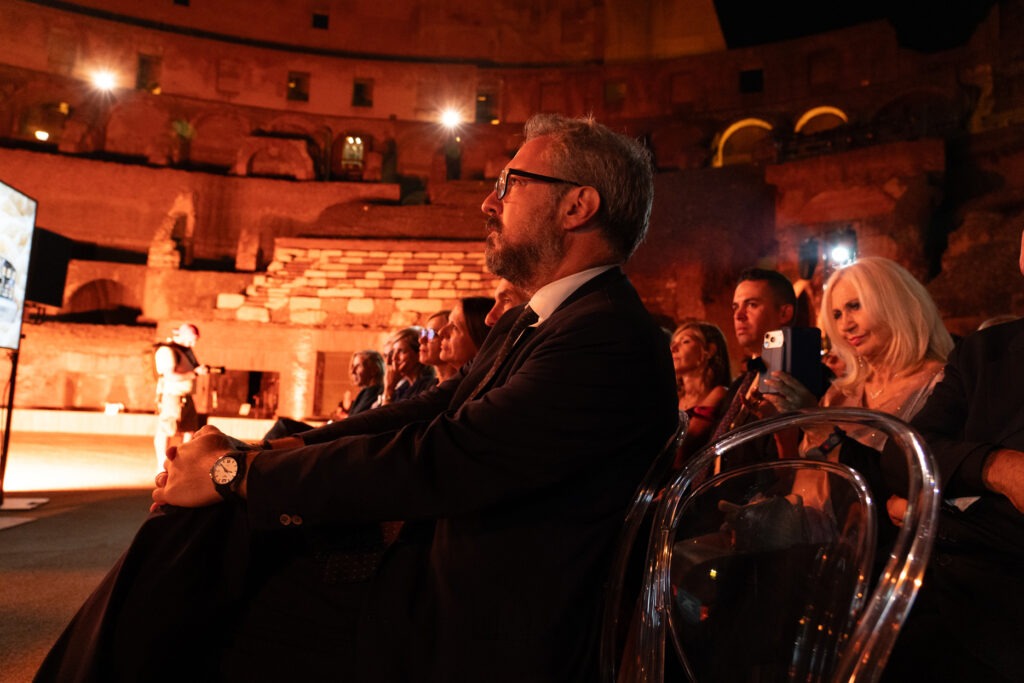
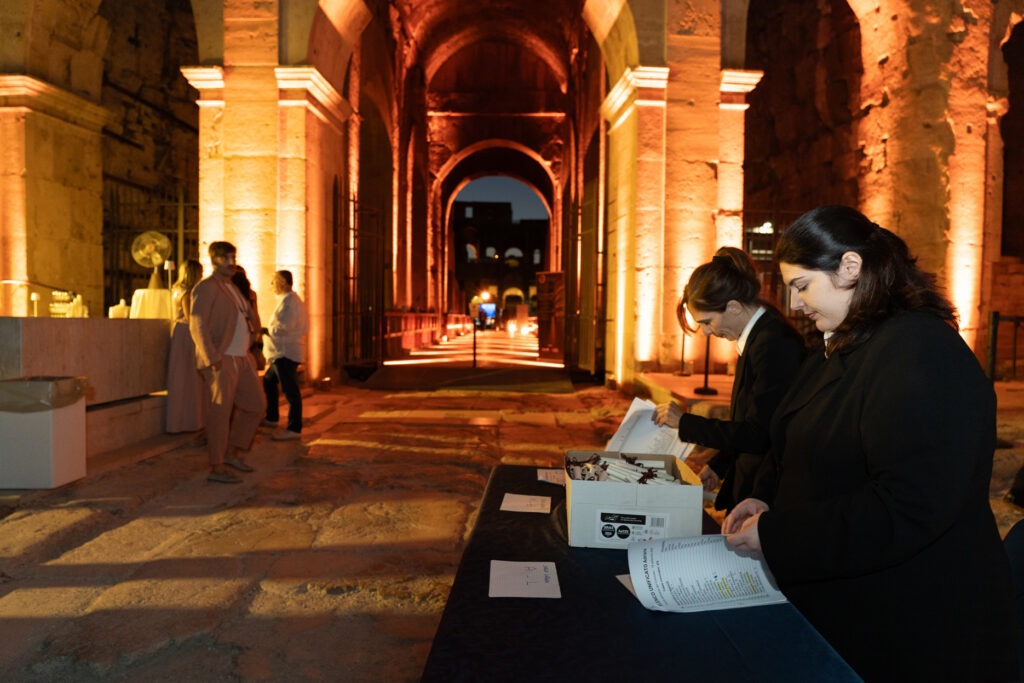
ROME — The Colosseum arena hosted “I Gladiatori del Cuore” on Saturday September 19, marking ten years since the monument became “cardio-protected.” Soprano Chiara Taigi performed. The Fondazione Giorgio Castelli, a Rome non-profit that donates defibrillators and trains people to use them, organised the event with the Archaeological Park of the Colosseum.
The foundation is named after Giorgio Castelli, an amateur footballer who died of cardiac arrest during training on February 24, 2006, days before his 17th birthday. His mother, Rita Castelli, said he might have survived had a defibrillator and trained bystander been present. She and her husband Vincenzo, now the foundation’s president, founded it that same year.
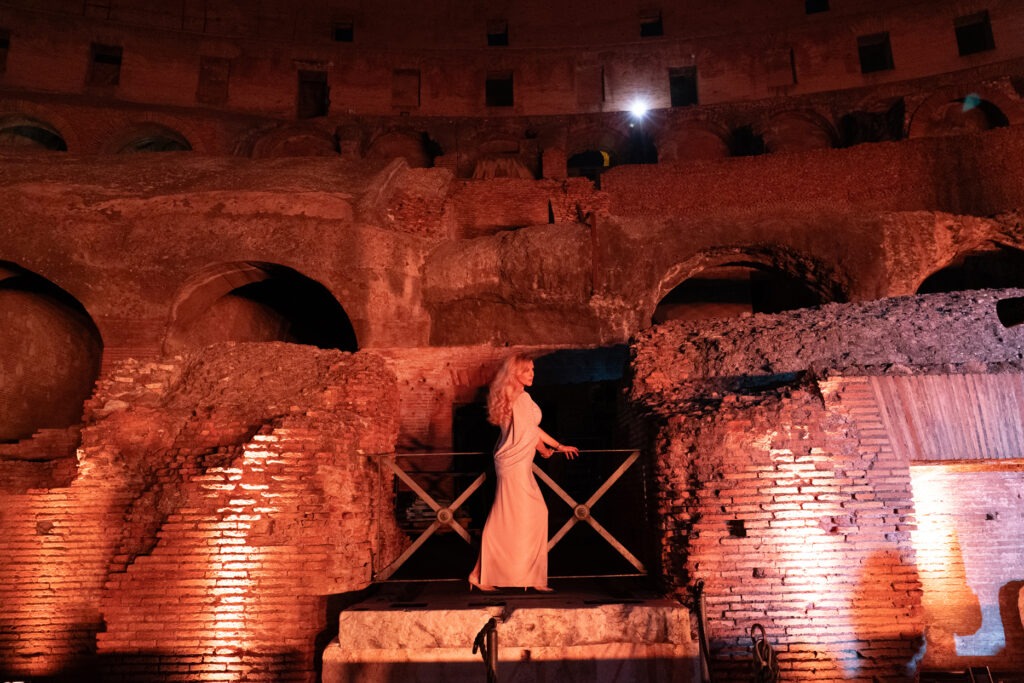
The setting is symbolic, a monument tied to gladiators honouring a boy nicknamed “the Gladiator.” It’s also practical: Vincenzo Castelli notes cardiac arrest “strikes in high-traffic places,” and the site has drawn over 70 million visitors in ten years, with a record 15 million in 2025 and daily crowds up to 30,000.
A growing network
The foundation donated four defibrillators to the Colosseum in 2016, training 46 staff. Then-director Rossella Rea called it the first archaeological monument in Italy, perhaps the world, with such equipment. The network has grown to 15 devices across the Colosseum, Roman Forum, Palatine Hill, and Domus Aurea. The devices have saved lives: in March 2018, an American tourist collapsed on-site; a trained attendant used a defibrillator on him, and ambulance crews later said it saved his life.
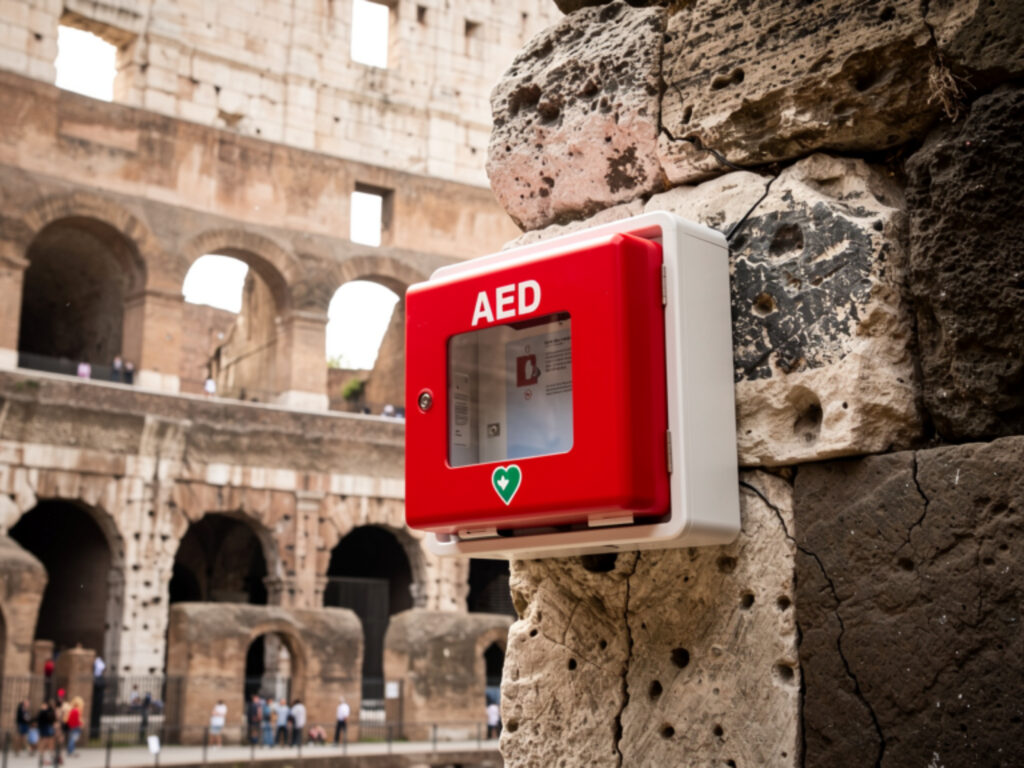
Rita Castelli stresses defibrillators are “useless objects” without trained people. Funded largely by Italy’s cinque per mille tax scheme, the foundation has trained 23,000 people and donated roughly 400 defibrillators across central Italy.
Why it matters
Italy records about 60,000 out-of-hospital cardiac arrests yearly, with 6.6% survival versus 7.5% across Europe. Survival drops 10% per minute of delay, says resuscitation expert Andrea Scapigliati. Castelli notes gaps remain: a legally required national defibrillator-locator app still isn’t nationwide, and sports-facility defibrillator rules are poorly enforced. He also wants resuscitation training made mandatory in medical schools.