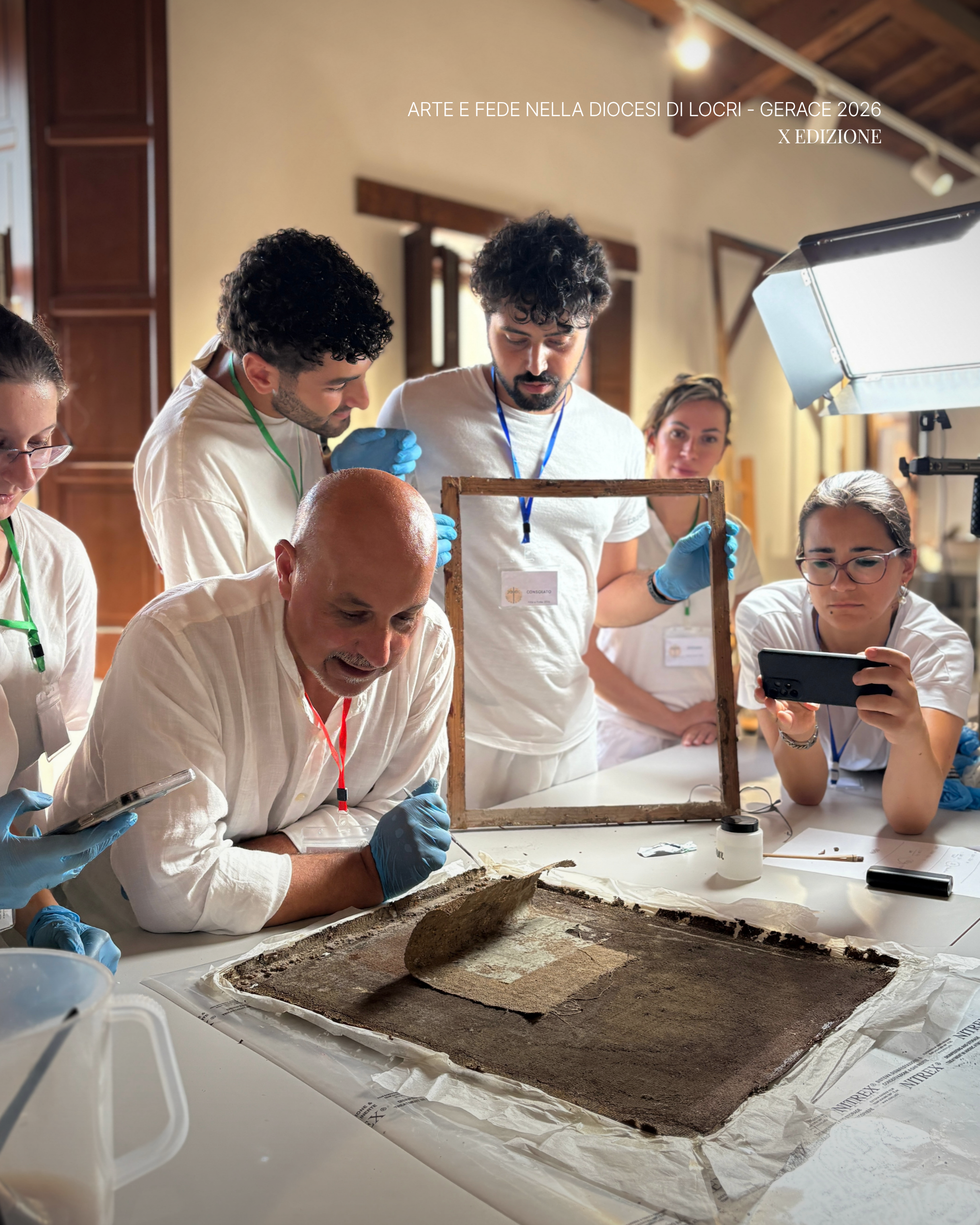

GERACE, Calabria — Arte e Fede (Art and Faith), the school that has rebuilt much of Gerace’s cathedral, completed its tenth edition through August this year. What it leaves behind in the Calabrian town is a 2 million euro conservation laboratory that now has the foundation to build into the future as students from more than a dozen countries come to learn the secrets of the trade in this southern Italian hilltop town.
Giuseppe Mantella, an art restorer who has also worked on Santa Maria Maggiore and Castel Sant’Angelo in Rome, came to Gerace on holiday 10 years ago. “I arrived here only with an idea, that of visiting this place,” he said.
When he arrived into the local basilica for a visit, a man at the ticket desk opened a door onto a heap of refuse. Amongst the rubbish it lay dozens of fragments of 18th century altars, stripped from the cathedral in the 1950s, when restorers were scraping such buildings back to a supposed Norman purity.
“This is a wonderful example of starting without waiting for permission, and of being resourceful enough to find a way in,” said Francesca Hodgson, an entrepreneurship coach and mentor, and superconnector for early-stage ventures.
“Once you start, you create momentum, and momentum attracts the right support from people whose values align with yours,” said Hodgson, who mentors and parters with entrepreneurs through her We Are Ambition coaching business.
Mantella, inspired by the historical and cultural secrets that were at risk of being destroyed, took on the mission of tracing the structure of the basilica and its surroundings back to a Capuchin convent. In the gardens in the midst of a cane thicket, he found some 5,000 fragments of historical importance, including sections of the building.
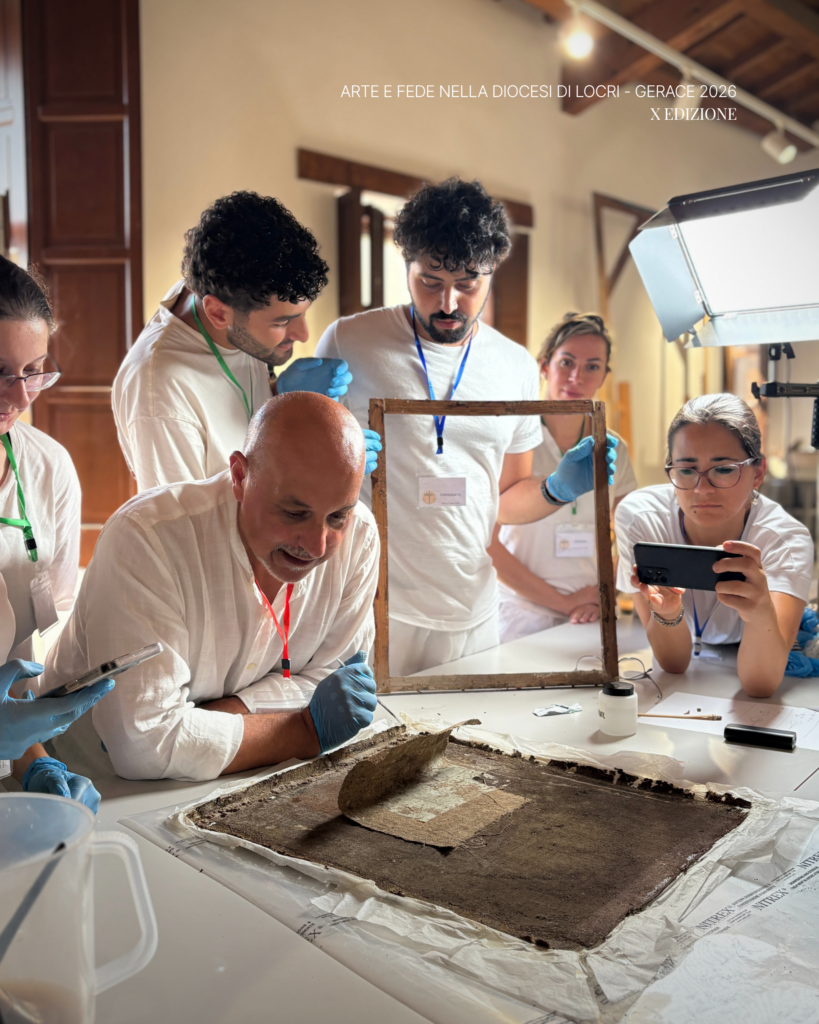

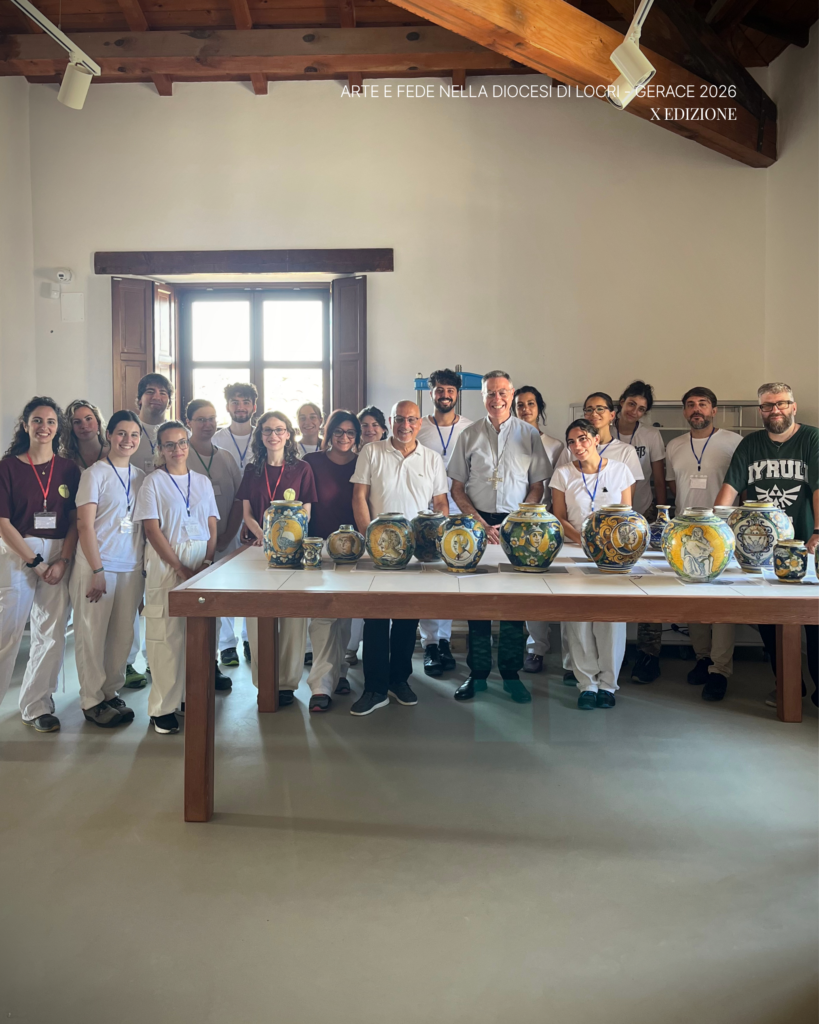
He offered his renovation firm’s services for free, organised summer renovation workshops with the local bishop offering up beds, and students came in the early days from the Pontifical Gregorian University in Rome and the fine arts academies of Naples and Reggio Calabria. Fast forward some years later, and today every fragmented piece has been catalogued under a QR code.


Public funding inflows
Three years ago the diocese held the heritage and the town hall held 20 million euro of PNRR money, Italy’s post pandemic recovery fund. Mantella proposed merging the two. Seven applications brought a further 22 million euro, of which 7 million was spent in 352 days using local firms cleared through prefecture white lists.
The widescale cathedral restoration that followed ran 364 days and recovered an eighth century sacred space beneath the floor, along with burials from the earthquake of 1783. Work on a museum of Gerace’s 17th century maiolica, of which only two fragments were known five years ago, starts in September.
“It also shows the model is sustainable, precisely because someone took the risk and the initiative to begin,” Hodgson said.
Today, some 40 students attend each edition, with more than 400 travelling to Gerace to participate in the workshop over the past 10 years. The renovation work carried out is handed to the local diocese free. Some of those that arrived never left as they married locals, Mantella told Italy Now.
“We must be the protagonists of this territory,” Mantella said. “We must not wait for someone else to do things as this will never happen.” He now wants to set up a public foundation that can bid for funds directly, and hopes to be able to integrate a university campus in the abandoned Capuchin convent which is now being restored with a 2.4 million euro cash injection.