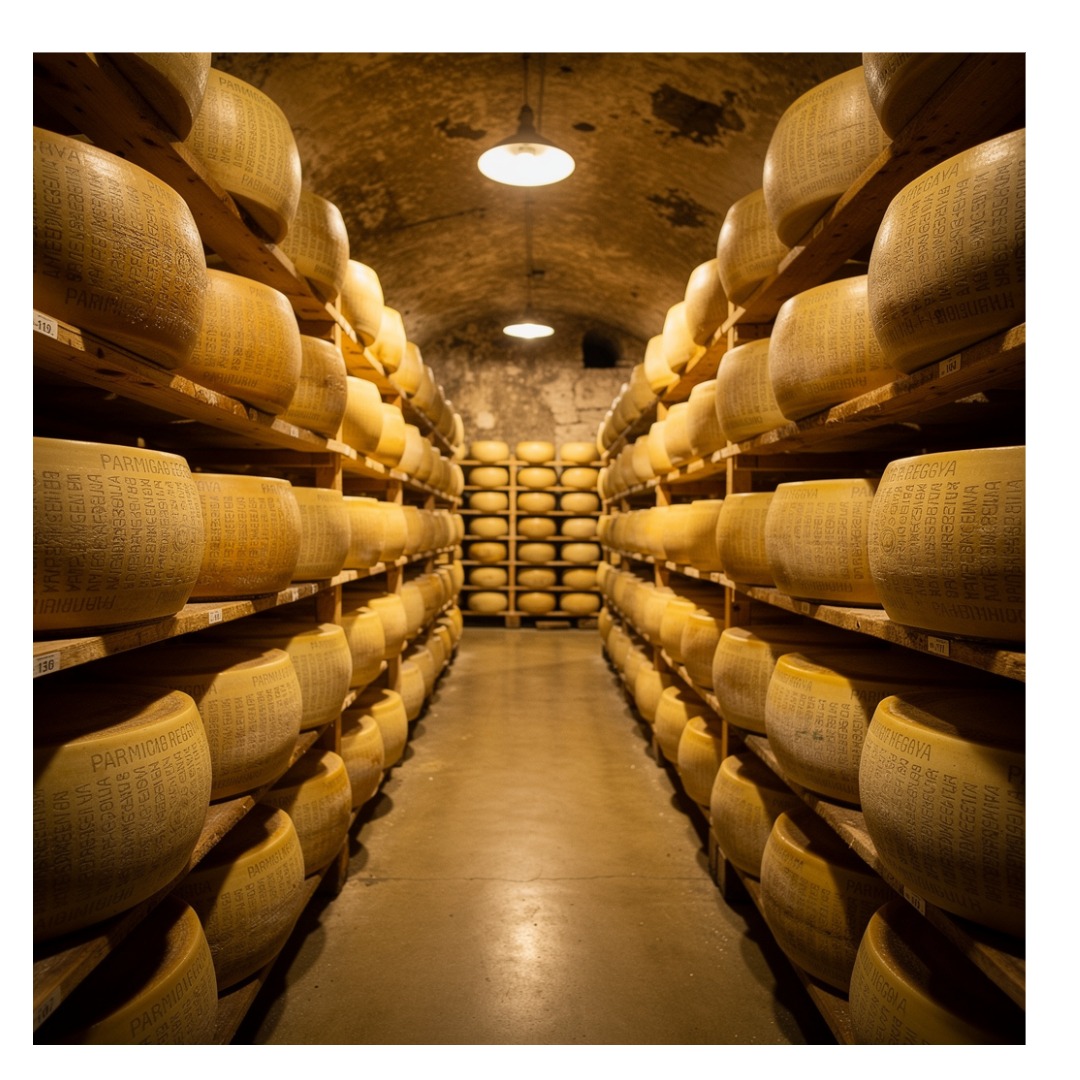

PARMA — Break open a wheel of Parmigiano Reggiano and tiny crystals crunch before a wave of umami. This summer a pop art campaign invites visitors into the dairies behind that intensity, celebrating a cheese so trusted banks lend against it.
The Consorzio del Parmigiano Reggiano (the consortium that protects the cheese) has launched Vivi Parmigiano Reggiano (Experience Parmigiano Reggiano), opening every dairy to visitors 365 days a year and creating a Tourist Dairies certification for farms equipped to host guests.
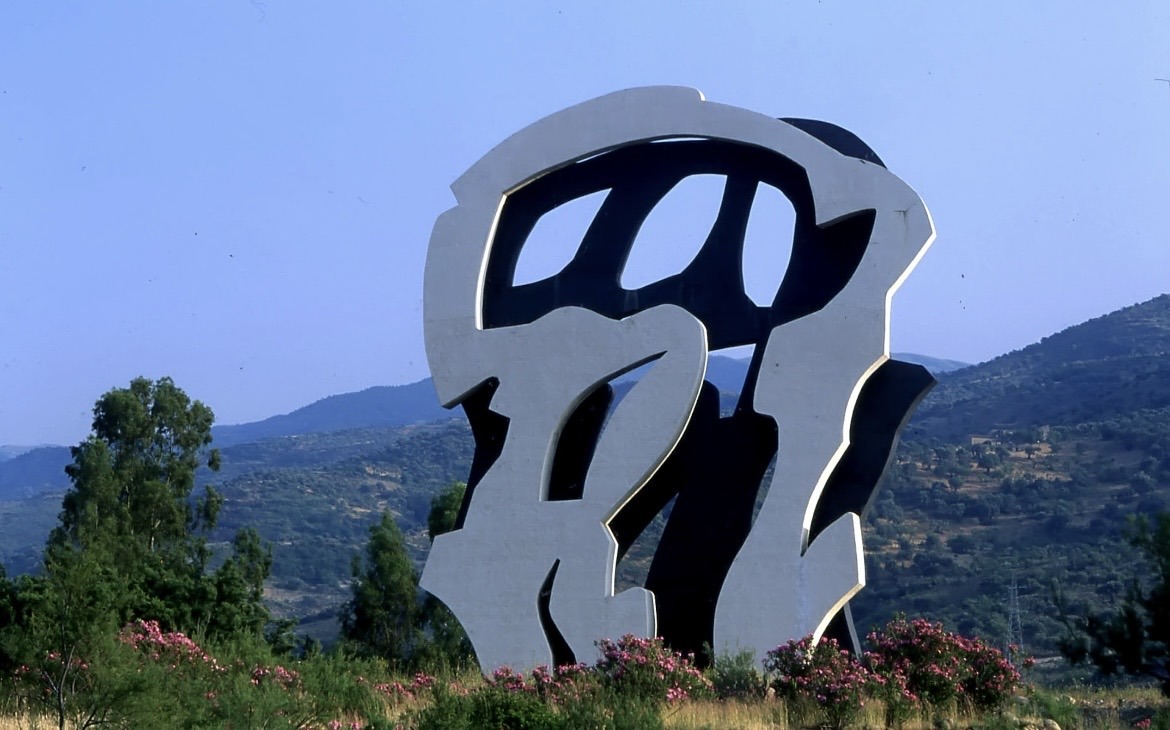
It aims to grow dairy visits from 100,000 to 300,000 by 2029, in a territory already drawing four million visitors annually. Italian pop artist Antonio Colomboni designed the campaign’s colourful billboards and digital advertising at railway stations, Bologna airport, and motorway service areas entering the five provinces.
The cheese’s value reaches beyond tourism, because centuries of trust in its quality have turned it into a financial instrument. Credem, a bank founded in Reggio Emilia in 1910, advances producers 60 to 80 percent of a wheel’s worth while it matures, holding the wheels as collateral. Benedetto Colli, Consorzio senior press officer, confirmed other banks have followed suit, turning one lender’s gamble into a formal system.

Cheese as collateral
“A bank lending against inventory normally has to answer one hard question. Is the object what they say it is, or is the object what is represented,” said Jeffrey Green, chief revenue officer of Hatch Bank in California. “In Parmigiano’s case the consortium answered it centuries before the loan officer walked in, and that inherited trust turns a food tradition into a financeable asset.”
That confidence belongs to a place as much as a process. Only cheese made in Parma, Reggio Emilia, Mantua, Bologna, and Modena can carry the name Parmigiano Reggiano DOP, a protected designation of origin tied to these hills and pastures. Grana Padano, another seasoned cheese that stretches across a far wider swathe of northern Italy, is also used for bank collateral.

“The consortium model is a remarkable success because it aligns the interests of farmers, cheesemakers, affineurs (the specialists who age the wheels), marketers, banks, and government around a single product,” said Yoav Perry, cheesemaker at Perrystead Dairy in Philadelphia. “This collective protects quality, preserves tradition, and gives Parmigiano Reggiano an economic resilience and brand equity that most cheesemakers can only envy.”
That same belonging is what the region wants visitors to taste for themselves, favouring dairies and kitchens over souvenir stalls. Parma’s real draw has always been the cheese, and now it pays in more ways than one.