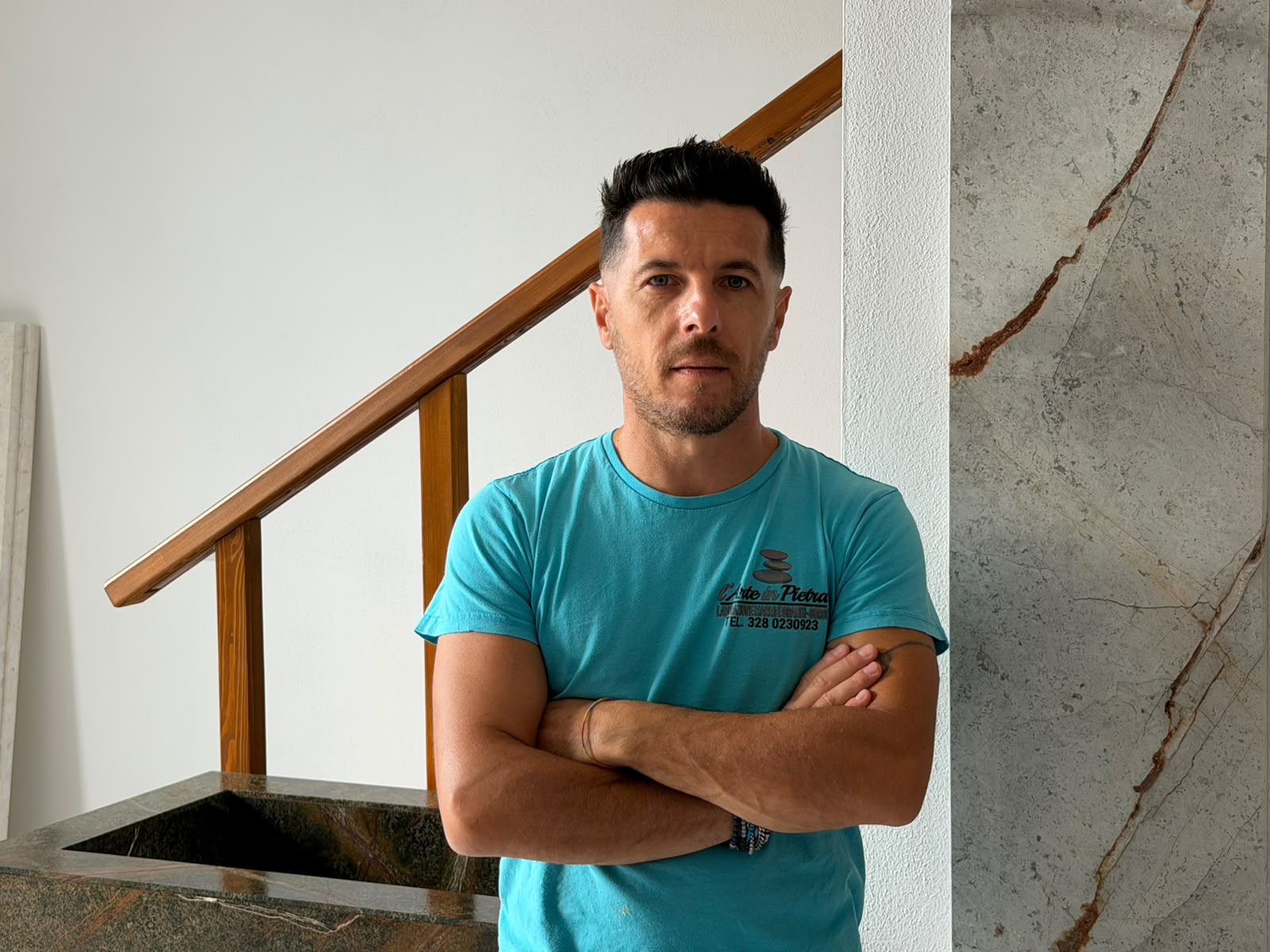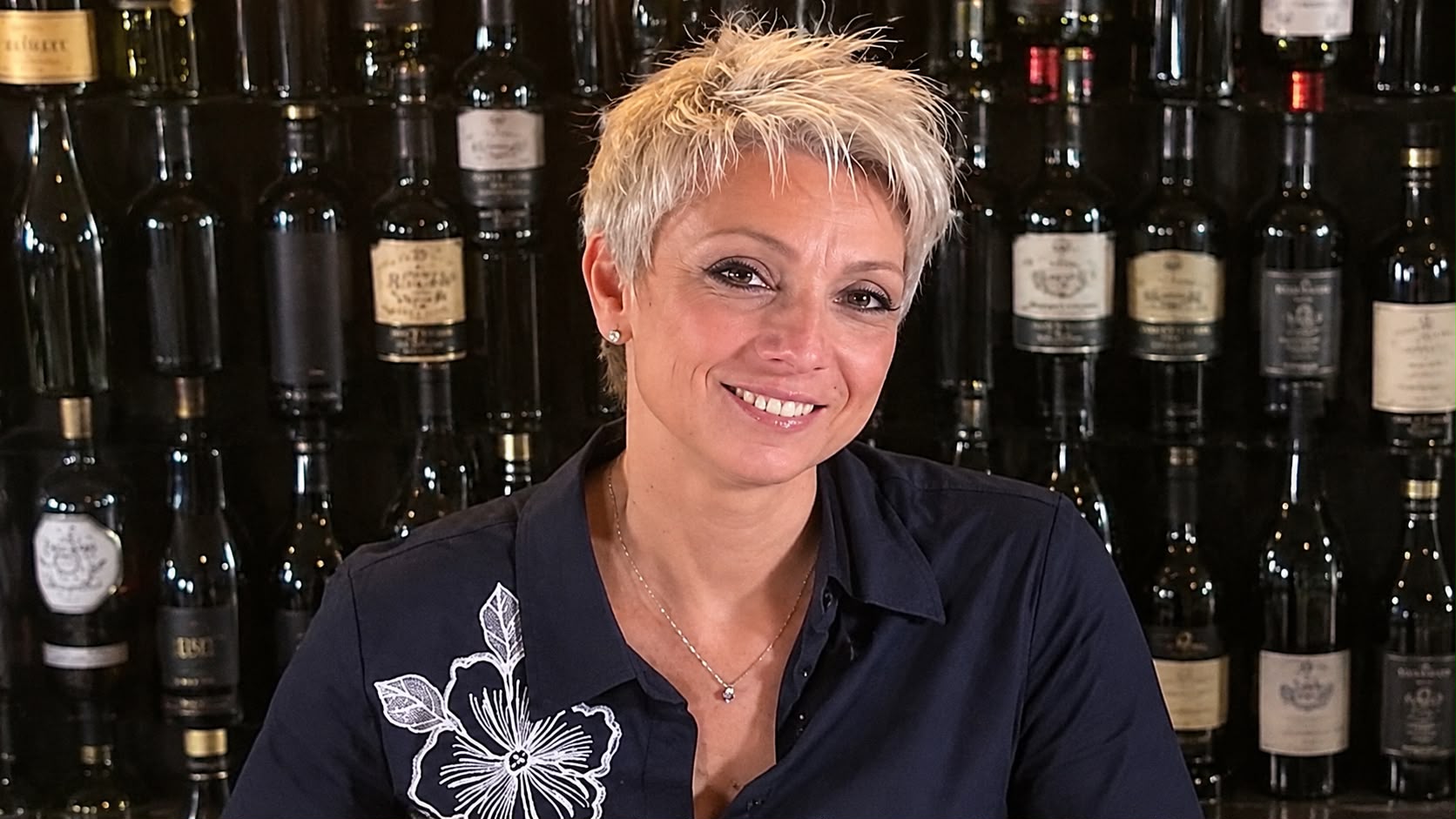
CAMBRIDGE, England — Filippo Corbelli, a digital nomad with no fixed address for two years, spent the end of the summer in Cambridge, where Moola, the London fintech he helps run, joined SPARK 2.0, a four-week residential incubator created by the King’s Entrepreneurship Lab at King’s College.
The cohort pitched to venture capital investors on September 23 at Balderton Capital in London, the venture firm that led the 2016 Series A funding round of Revolut, the digital bank. In July, Moola won Best Fintech Solution of the Year at the 2026 UK Business Tech Awards.
The Italian, Moola’s head of product, has lived in 11 countries and visited more than 60. The company was co-founded by Linda Du and grew from spreadsheets she and Corbelli, both alumni of the management consultancy McKinsey & Company, built to answer friends’ money questions. Italy Now spoke to Corbelli between moves.



Q. How did having no fixed address become normal?
“In a few days I’ll be somewhere else,” Corbelli said. “That’s my rhythm. It’s not a long holiday and it’s not luck. It came from working out exactly what my money let me do. Once you can see that, the question stops being ‘Can I afford this?’ and becomes ‘What do I actually want?’”
Q. How did Moola start?
“With friends,” Corbelli said. “Linda and I were working in consulting and kept getting asked the same questions. Should I buy or rent? What do I do with the money in my account? Can I take a gap? We built a spreadsheet, then another, and realised it was always the same model. That became a product.”
Q. What makes it different from your banking app?
“Your bank tells you how you have spent your money,” he said. “Moola shows you the direction your money is taking you, and what changes if you decide differently. A new job, a new house, a child, a career break.”



Q. What money mistake do you see most?
“People treat their situation as temporary,” he said. “‘I’ll sort this out when things settle down.’ But things do not settle down, and suddenly it’s 10 years later and you have built nothing. The other is thinking a good salary means you’re fine. A high income hides a lot of trouble.”
Q. If Moola works, what changes?
“More people would be able to choose and plan their financial life,” he said. “Financial independence is usually reduced to a number, or retiring at 40. For me it’s simpler. It’s the point when your home and your time stop being decided for you. You don’t need to be rich. You need to see your trajectory. Most people never do, so they live on their default settings.”
Q. Italians save hard and trust the mattone (bricks and mortar). Has that helped or held you back?
“Both,” he said. “We’re careful savers, and abroad that’s a real advantage. But we treat money as something to protect, not to use. You meet a lot of Italians earning well, keeping everything in cash for years, waiting for a decision they never make. Caution isn’t a plan.”
Q. And what does Italy mean to you today?
“I feel like I’ve never really left,” he said. “I go back all the time. My family and part of my life are there, in the ways that matter. Would I live there again? Maybe. I just don’t want to have to choose. I want the financial freedom to decide whether to go back.”
Next time you plan to sort your money out when things settle down, remember the Italian with no fixed address who did the maths instead.