MILAN — Kering, the French luxury group that owns Gucci, signed its first eight memoranda of understanding, formal cooperation agreements, with Italian training institutions at the Milano Innovation District this month, wagering on keeping luxury production, and the skills that sustain it, in Italy.
The group, controlled by the Pinault family and the closest rival to LVMH, reported revenue of 14.7 billion euro in 2025. Though listed in Paris, much of what it sells is made in Italy. Gucci, Bottega Veneta, Brioni, and the jeweller Pomellato are all Italian houses, and the group’s supply chain rests on Italian workshops that struggle to recruit young artisans.
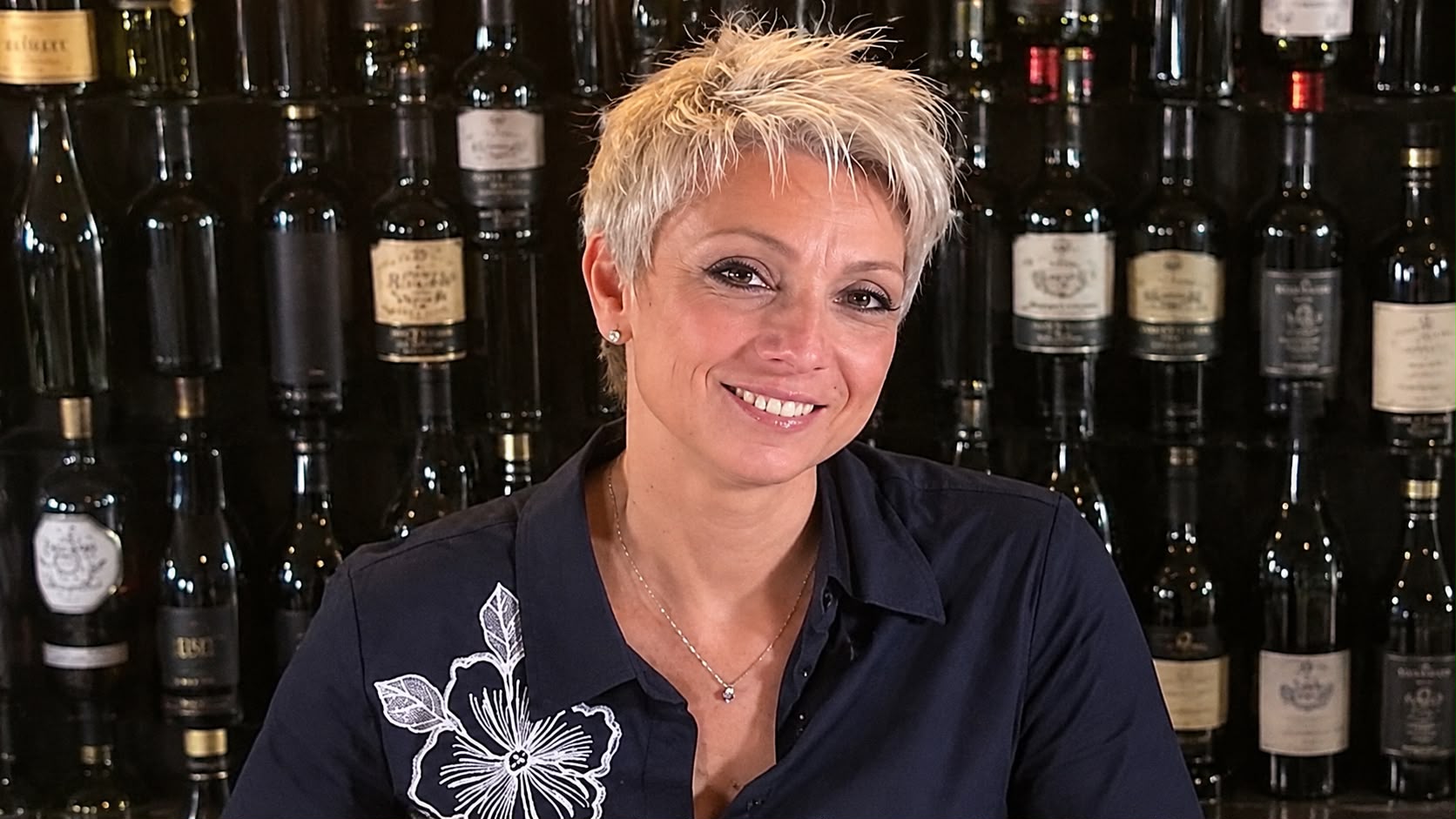
“Luxury is living through a profound metamorphosis,” said Sabina Belli, chief executive of Pomellato and head of the academy, “we do not want simply to hand down a technique inherited from the past, but to transform traditional trades into dynamic, contemporary professions.”

A national network
The Accademia per le Eccellenze (academy for excellence), unveiled at the Gucci Archive in Florence on April 16, 2026, joins the training schools already operating inside the group’s maisons (fashion houses) with eight partners, ACOF, AFOL, CAPAC, Galdus, HModa, ITS Cosmo, Istituto Modartech, and SCHOLA.
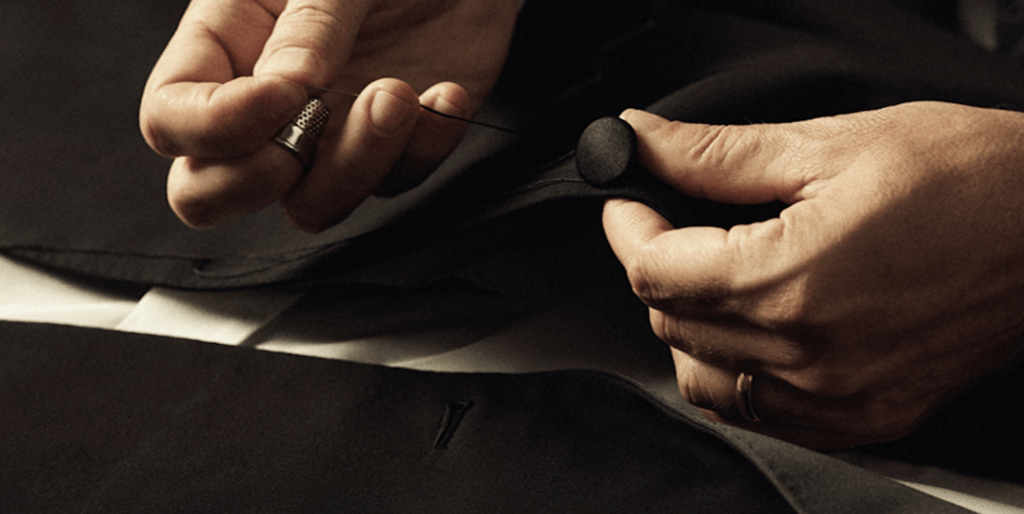
The curriculum combines the sector’s four traditional pillars, clothing, men’s tailoring, leather goods, and jewellery, with courses in technology, artificial intelligence, and new materials. The academy plans to open with a first class of 1,000 students.
“Luxury pricing depends on origin story as much as the product and Kering’s is hugely dependent on their ‘Made in Italy’ narrative,” said Sonia Baschez, founder of Bend Growth Communications. “If Kering doesn’t have trained Italian artisans making their products, they’re not just losing craft workers, they’re losing the marketing claim that justifies the $10,000 price tag.”
On the same day, the academy’s Comitato di Pensiero (advisory think tank) held its first meeting at Palazzo Citterio in Milan’s Brera district, bringing together figures including Angelo Crespi, director general of the Pinacoteca di Brera, and Stefania Lazzaroni, director general of the luxury industry association Altagamma.
A delicate moment
“The signing of the memoranda of understanding represents the first step in building a stable collaboration with the world of education,” said Diego Montrone, the academy’s academic director and chief executive of the training institution Galdus.
“After a year of viral TikToks questioning where luxury bags are actually made, consumers are rightly paying more attention to origin stories because they want transparent luxury pricing,” Baschez told Italy Now. “Kering’s training programs are partly a workforce play and partly a proactive marketing answer to that scrutiny.”
The academy is in fact a bet that the surest way to keep European luxury European is to train the Italian hands that make it.