VENICE — Inside Palazzo Gradenigo a bronze likeness of the artist raises a finger to its lips and asks for silence, the gesture of the god Harpocrates.
Kurdish-Turkish artist Ahmet Güneştekin opened Sessizlik, Silenzio, Silence here on May 6, alongside the 2026 Venice Biennale, launching his foundation in a palace built in the 16th century, which he bought in 2024 and restored over two years. He returns to Italy after a major solo show at the National Gallery of Modern and Contemporary Art in Rome.
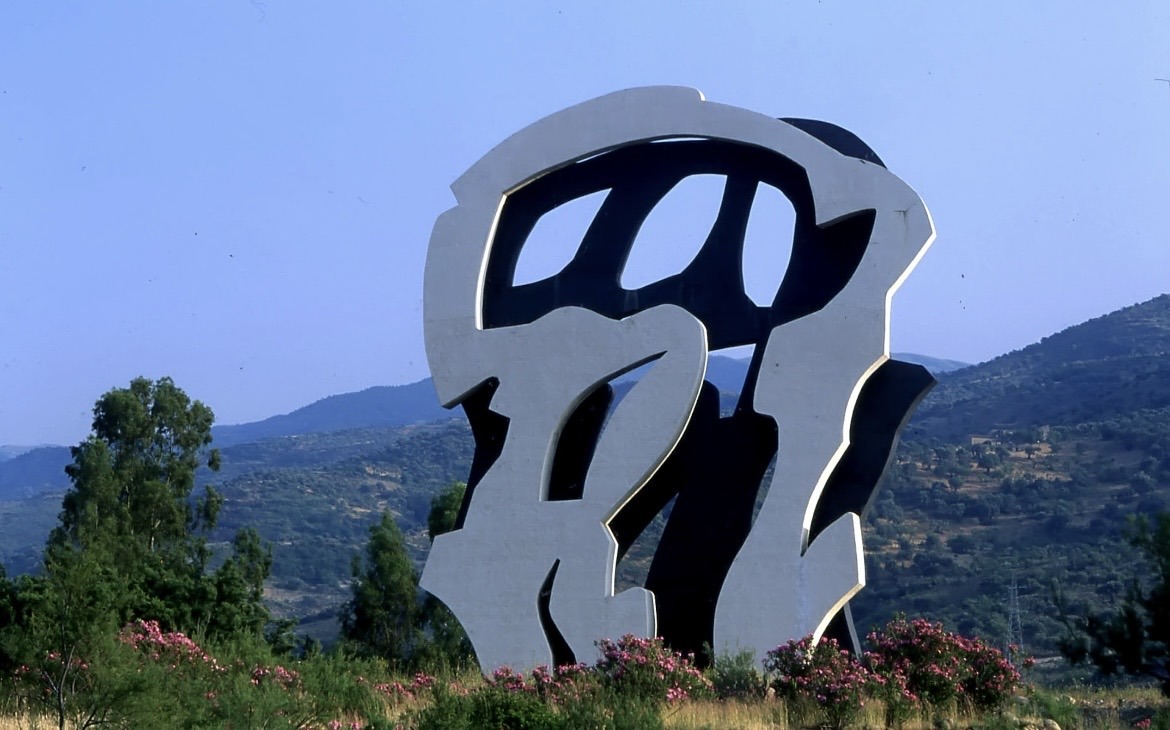
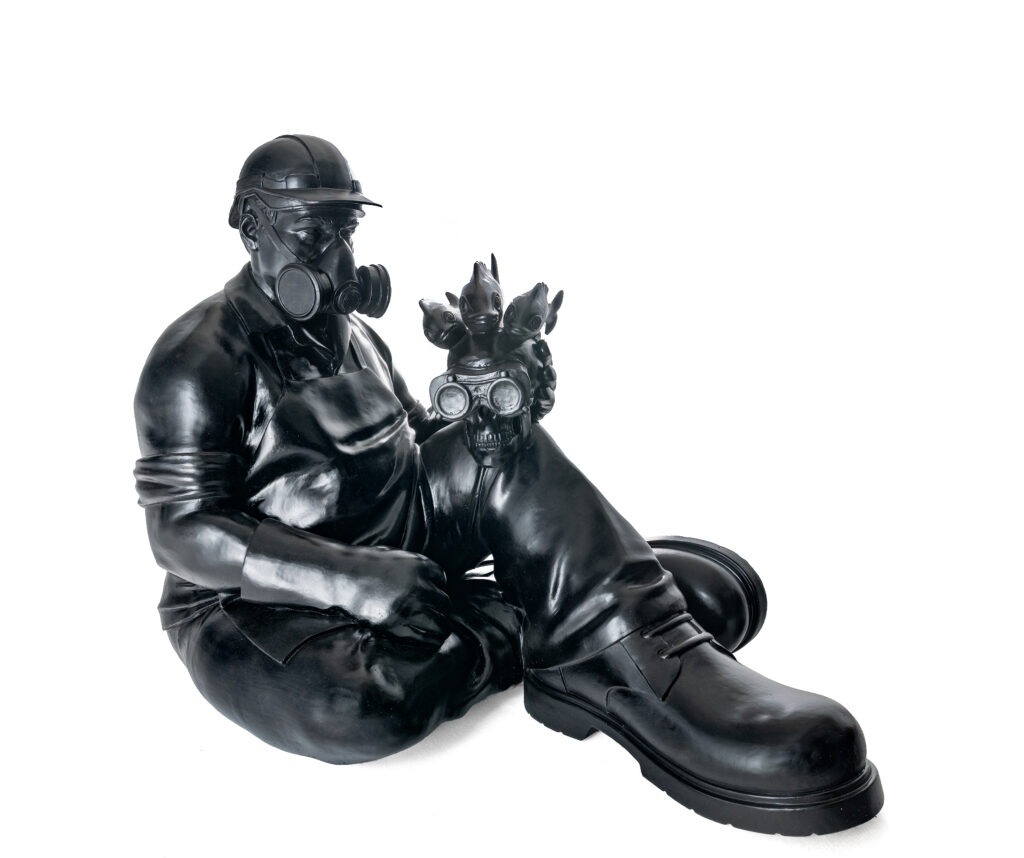
Curated by Sergio Risaliti and running until November 1, the show spreads 11 bronze figures and 11 paintings across the restored floors and the facade. Many of the bronzes are labourers modelled on the very workers who brought the palazzo back to life.
Q. Why a Venetian palace as the home of your foundation, and why now?
“The very first moment I saw Palazzo Gradenigo, I felt that this was not merely a building. It was like a living organism carrying its own memory across centuries. Its walls held layers of time, silences, losses, and stories.”
Q. How does silence speak in a city already overflowing with art this season?
“This exhibition does not see silence as a passive state. On the contrary, silence here becomes a form of political resistance. Because sometimes the most powerful statement is the one left unspoken. Sometimes truth does not shout; it simply stands there.”
Q. What do you hope a Venetian audience will see in your work?
“I do not want the Venetian audience to look at my works and simply see ‘the story of another geography.’ On the contrary, I want them to establish a connection with their own memory. Because the language of pain may change, but its emotion is universal. Silence resembles itself in every geography.”
Q. Doors appear everywhere in your work. What do they mean to you?
“I use centuries-old doors because, for me, they represent thresholds. Transitions. They are like entryways into memory. I use bronze figures because bronze reminds me of the weight of history. And masks represent the fears, forms of oppression, and strategies of concealment that humanity has carried for centuries.”
Q. Why was financial independence so important to you?
“Because for me, freedom is not only an artistic issue; it is also a moral one. For art to remain truly independent, it must be able to make decisions fearlessly. I never wanted to shape my practice according to the expectations of any ideological, political, or economic center. That is why it was so important to me that the foundation be entirely self-financed.”
Q. What do you want Palazzo Gradenigo to be ten years from now?
“Ten years from now, I would like Palazzo Gradenigo to be remembered not simply as an exhibition space, but as a living cultural memory. My dream is not to create a structure where works are merely displayed, but to build a living ecosystem where artists, thinkers, writers, musicians, and young people can encounter one another.”