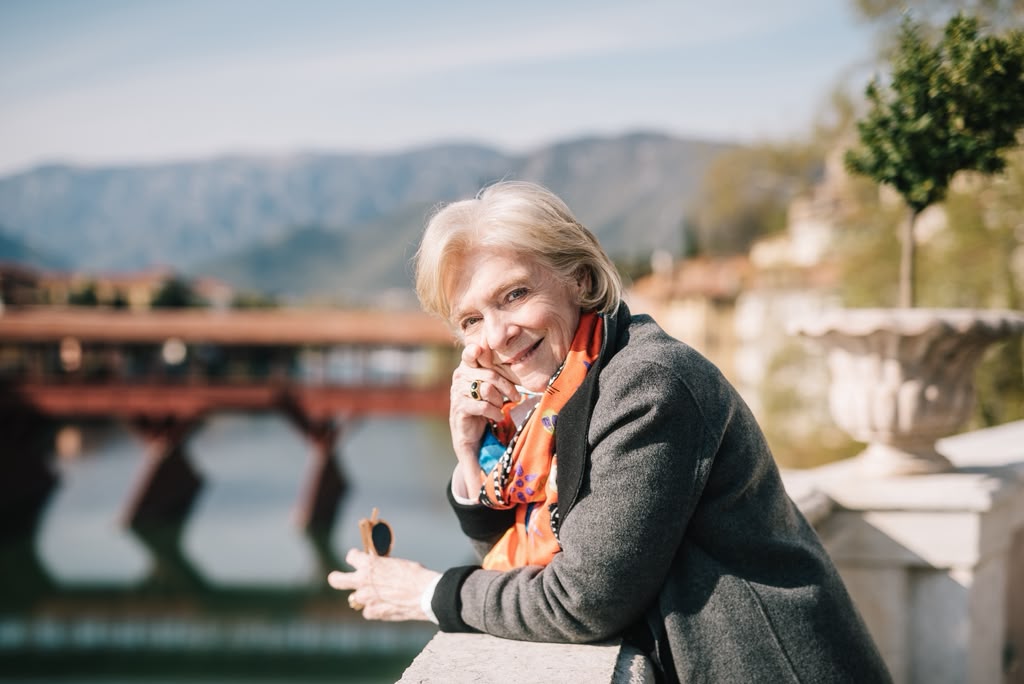
PADUA — Alberto Lenzi is not an artist, and he will tell you so himself. The Bologna-based entrepreneur spent decades working for one of Italy’s major transport companies before returning to the passion his father first gave him as a boy: art. Three years ago, Lenzi partnered with sculptor Paola Barani to create something he describes as unique in the world: a production model that treats bronze sculpture with the rigour of industrial manufacturing and directs its proceeds toward social causes. Italy Now met him in Padua, Veneto, where his atelier is based.
Q. Your father was central to your relationship with art. How did that begin?
“My father was one of Italy’s first advertising professionals. From the time I was very young he took me to museums. I fell in love with Fontana and Burri: difficult artists for a child, but he explained them to me. What I loved about those works was that I could bring something of myself to them. They were subjective. I had to look and ask: what is happening to me as I look at this?”
Q. You spent many years away from art. What brought you back?
“Art is the one thing that can unite us, because we all feel emotions. I may not speak your language, but if we stand in front of a work of art together, we are moved. And perhaps it is on those emotions that we build a dialogue.”
Q. How did you come to work with Paola Barani?
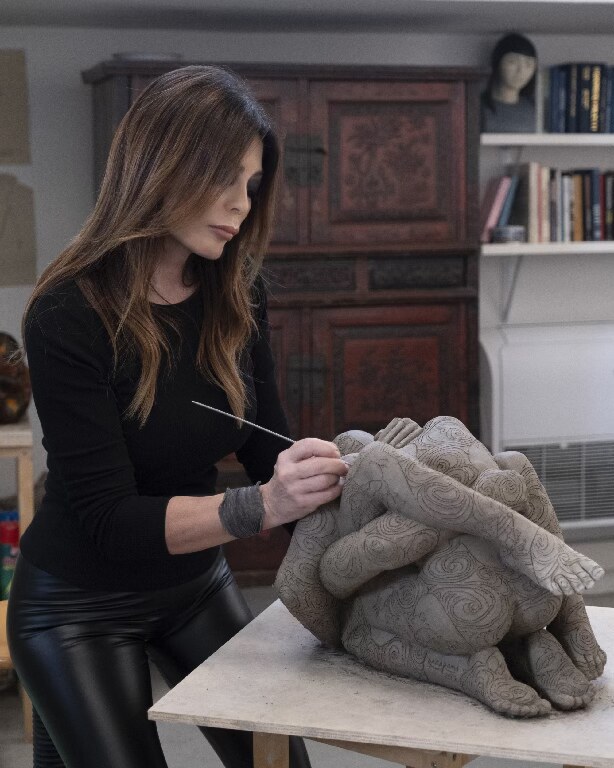
“I had already bought some of her works. She had her own language, you recognised her immediately, and she told stories about the body. The body is always the same, but the stories change, just as they do for us. So I approached her: don’t think about anything else. Invent, create, make. Everything from that point to the final work, we handle.”
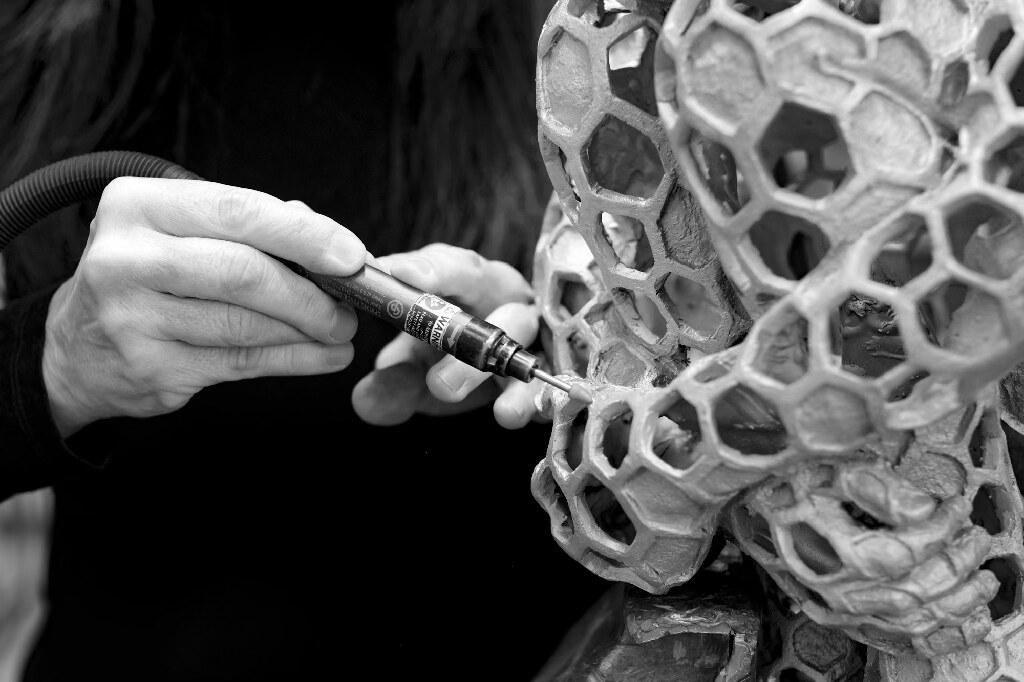
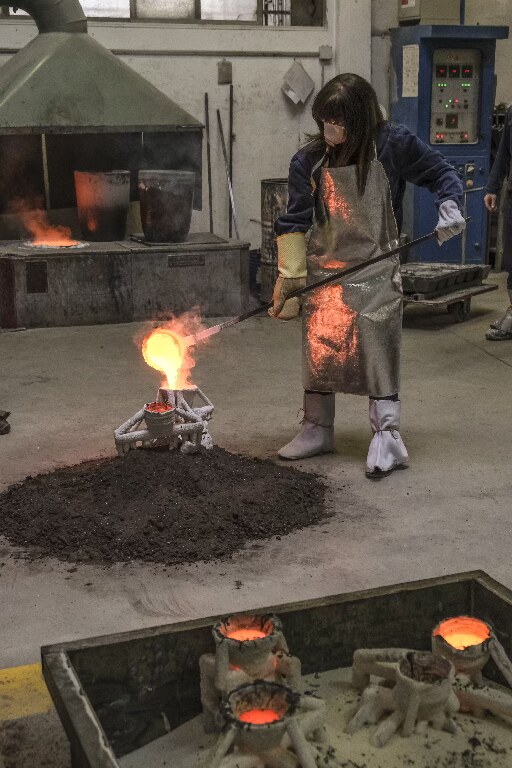
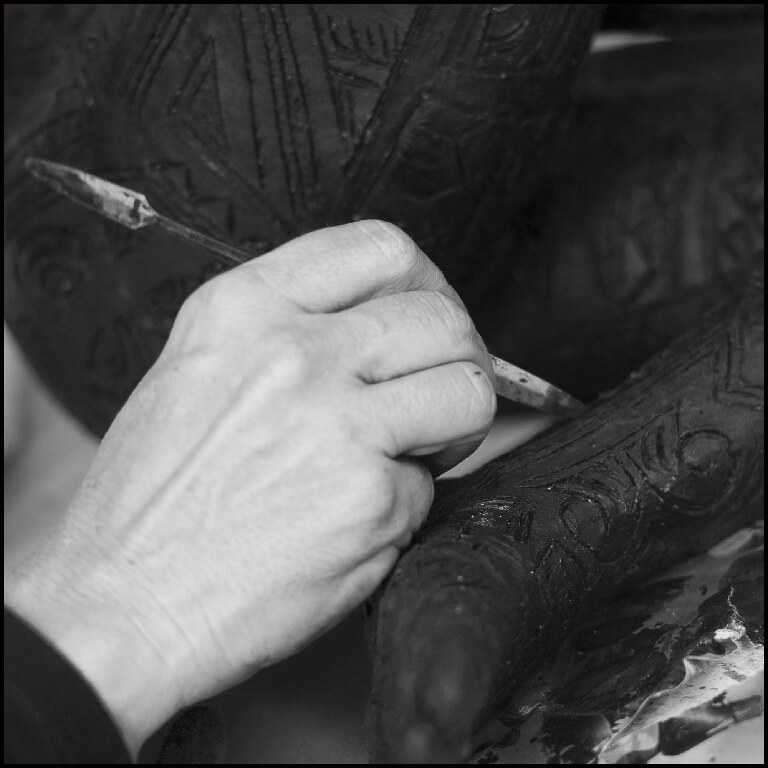
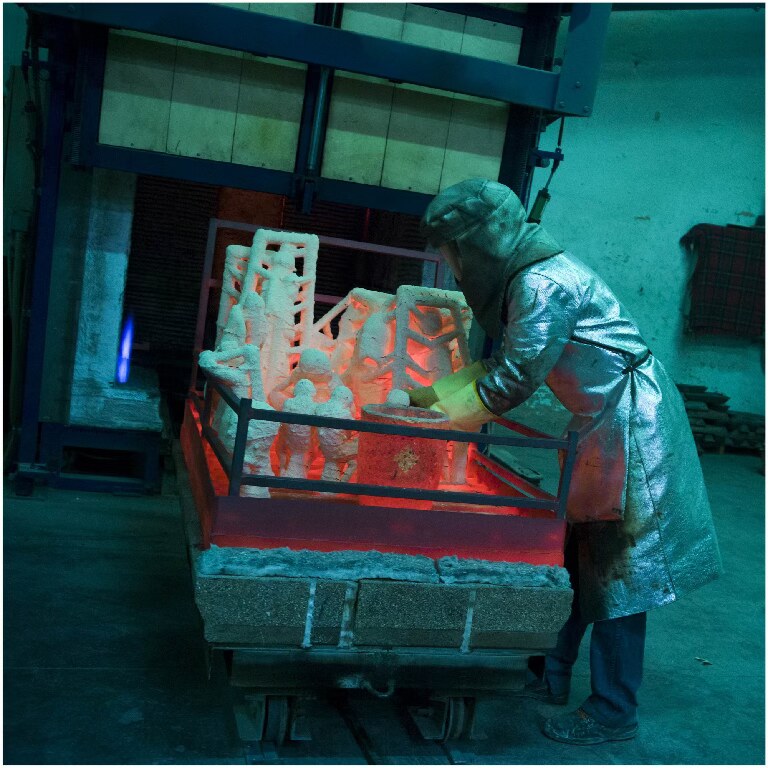
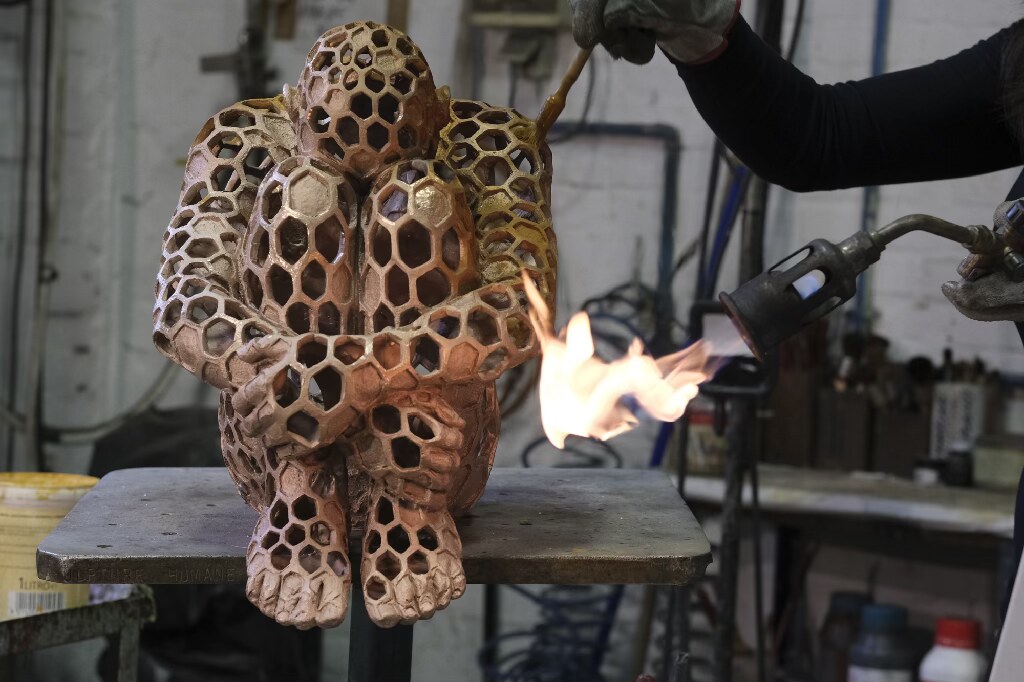
Various foundry (Credits: Filart)
Q. What does the production process involve?
“It is industrial in scale. When Paola finishes her clay prototype, her creative work is done. Then begins the work of seven or eight professionals: the sculptor who enlarges the piece, the foundry, the painter. The foundry alone involves serious costs. Bronze prices fluctuate and energy costs have increased enormously. For finishing, we use the same paints Bentley uses, because the works are placed outdoors and must last. It is exactly like manufacturing a car.”
Q. You used the project to address violence against women. How?
“Italy was deep in public conversation about violence against women, and about young men who had lost any sense of what eroticism actually is. Their only reference point was online pornography. I said to Paola: let’s create works depicting eroticism as you see it, as an artist. We then worked with psychologists and sociologists from the University of Bologna to build an educational course around the exhibition, to take into secondary schools. Is eroticism what you see online, or can it also be this? Eroticism runs through all of art history. Even Dante’s Divine Comedy is erotic, if you read it properly.”
Q. Did Italian institutions engage with it?
“It was shown in Dover. In Italy, the moment you mention eroticism, institutions assume pornography. I approached several cities. The response was always the same. I said: I am here to argue against exactly what you are thinking. Nobody would have it.”
Q. Where do the proceeds from sales go?
“A portion goes to maintain the structure. Everything else goes to associations working in art and music with children, and to a foundation called Blue Butterfly, which uses music therapy and poetry with children with autism.”