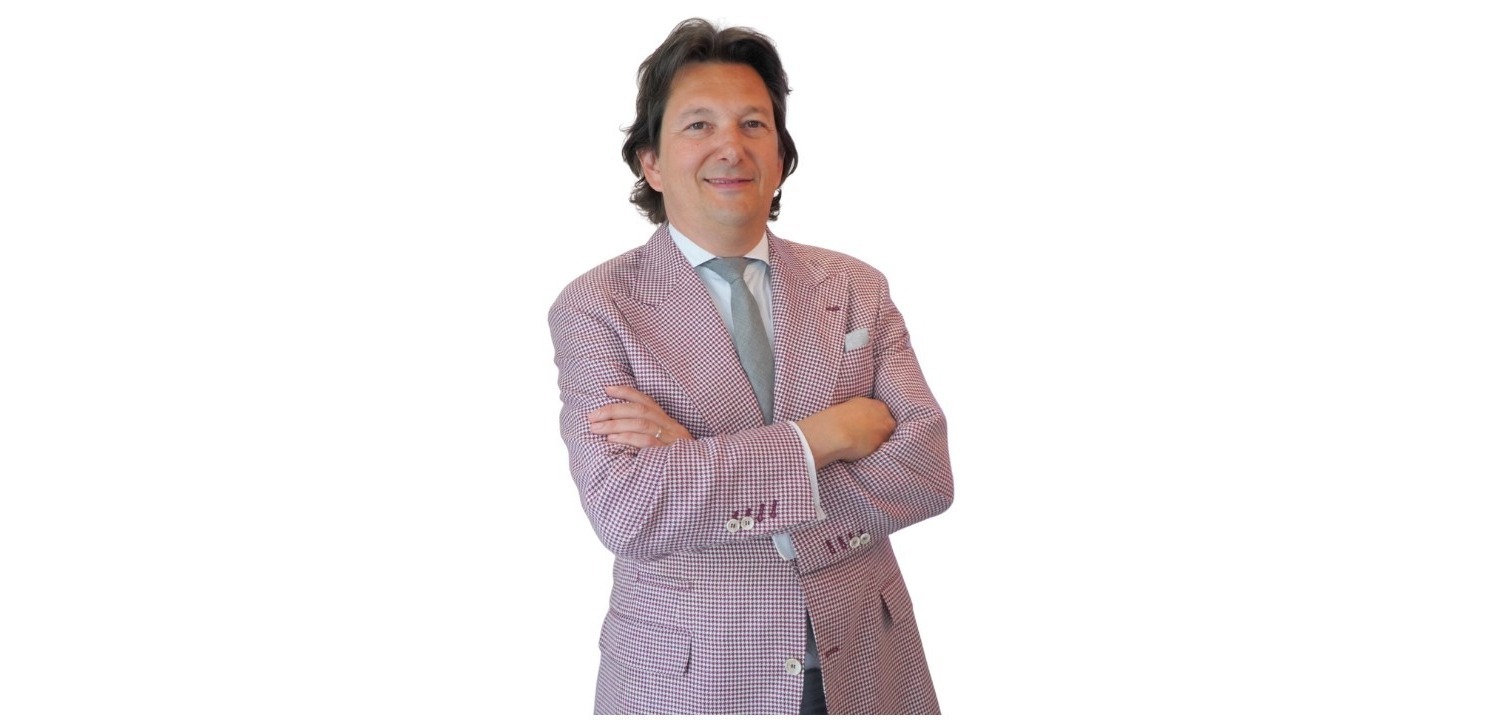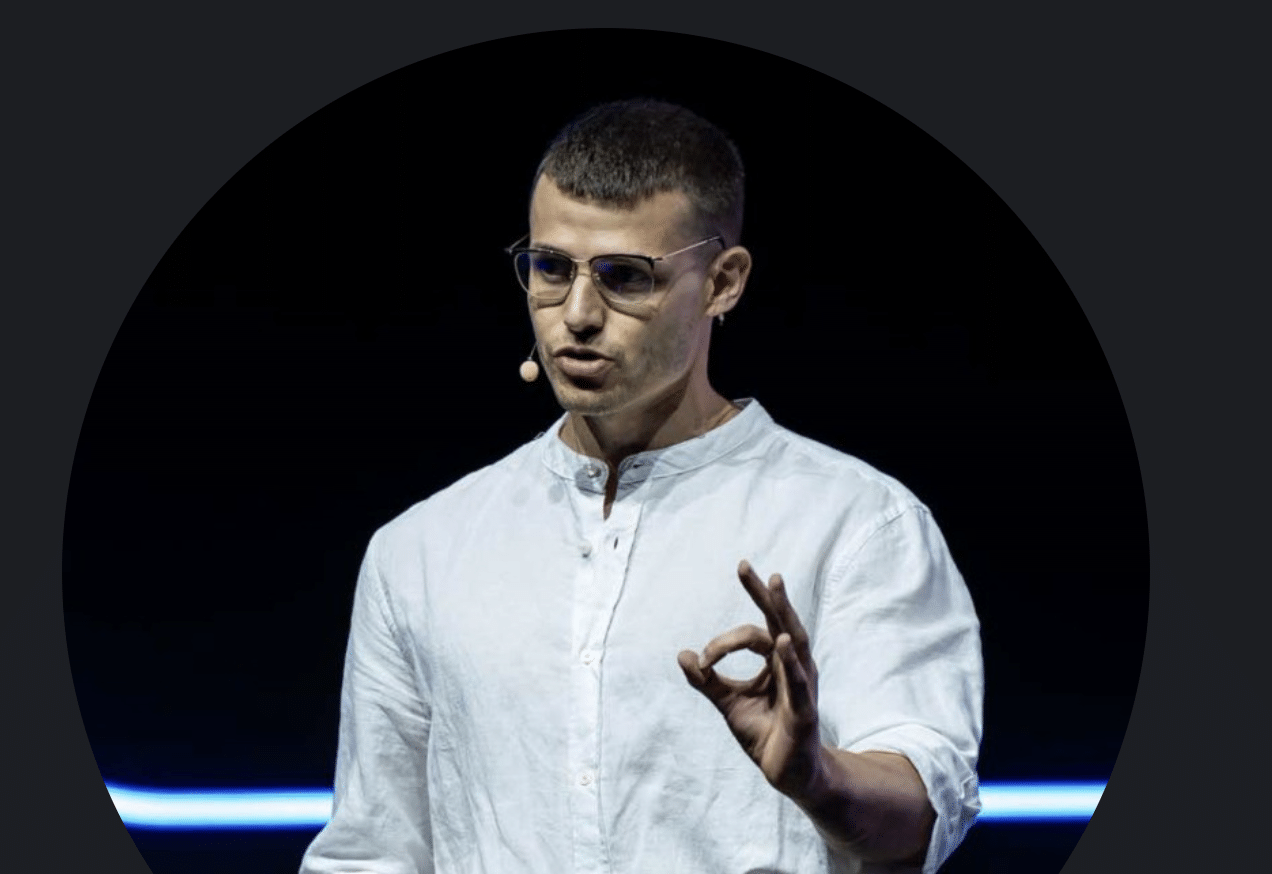

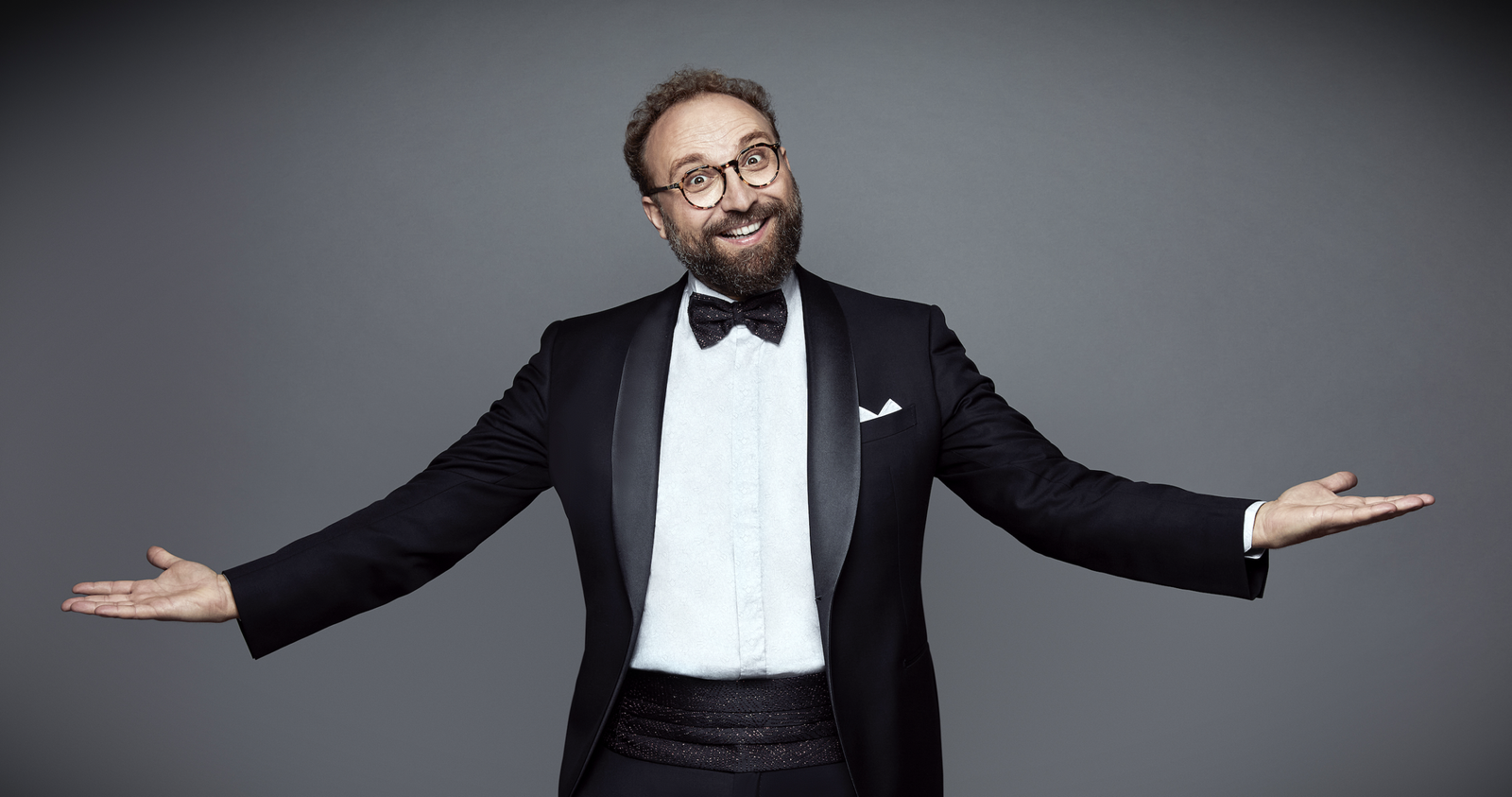
ROME — In a country where silence is rarely just silence, Luca Vullo has made a career out of what Italians say without opening their mouths. Actor, director, author, and cultural ambassador, Vullo has spent years cataloguing, performing, and teaching the gestural language that runs beneath Italian speech like a second grammar.
His one-man show La Voce del Corpo has toured theatres, universities, and Italian cultural institutes from San Francisco to Sydney, often with his mother Angela alongside him on stage.
He sat down with Italy Now to talk about the hands, the history, and why he believes Italian gestural language deserves a place on the UNESCO intangible heritage list.
In a country where silence is rarely just silence, Luca Vullo has made a career out of what Italians say without opening their mouths. Actor, director, author, and cultural ambassador, Vullo has spent years cataloguing, performing, and teaching the gestural language that runs beneath Italian speech like a second grammar. His one-man show La Voce del Corpo has toured theatres, universities, and Italian cultural institutes from San Francisco to Sydney, often with his mother Angela alongside him on stage. He sat down with Italy Now to talk about the hands, the history, and why he believes Italian gestural language deserves a place on the UNESCO intangible heritage list.
Q. Is it true there are over 250 recognised Italian gestures? Are there ones that surprise even Italians?
“Honestly, I think we have much more than 250. It depends on if you are happy or not. It depends on the situation. Of course, we are a sort of Babylon of gestures. We have a lot of movement with our hands, also facial expressions, and of course it’s a specific code. Very, very complicated to know, but it’s possible to learn it. That’s why I’m doing my master class in Italian gestures.”
Q. Your show La Voce del Corpo has toured from San Francisco to Sydney, and you bring your mother on stage. What happens in the room when she walks out?
“The most beautiful thing, because people want to hug her all the time, everywhere – from Vietnam to London, everywhere. They wait outside the stage because they want to hug mommy Angela. To me, it’s the most beautiful experience because she told me that the language of earth has no boundaries. That’s why I think it’s so important to teach our Italian gestures, but also the non-verbal communication connected with emotional intelligence. Mama is an Italian mum. She doesn’t speak English, but she speaks very well with the body language.”

Q. You have proposed that Italian gestural language be recognised as UNESCO intangible heritage. Make the case for us.
“I want, with all my efforts, to bring Italian gestural language as a patrimony of our culture to UNESCO, because I think it’s part of our identity and also part of our history. And if you want to learn more about Italians, you can’t avoid learning about the gestures. That’s why I think it’s so important to our culture.”
Q. Your book L’Italia Suggerita became a bestseller. What is the one gesture you would recommend someone learn before visiting Italy for the first time?
“The most poetic one. This one. Kissing. It’s delicious, it’s wonderful, it’s amazing – for food, people, art, whatever you want to say, it’s amazing.”
Q. Can two Italians hold a full conversation using only gestures, no words at all?
“Honestly, I think we can have an entire conversation all day using only gestures and body language, no words, no opening your mouth. Just our hands, and we can understand each other from Palermo to Bolzano, totally, in a clear conversation.”
Q. Are there regional dialects in gestures the way there are in spoken Italian?
“Yes, we have regional gestures. Of course, there are typical gestures from Sicily that people in Milano probably don’t know and don’t use. But we also have a national code that we use across all the regions, and that’s the magic, you know, in our language, in our code.”