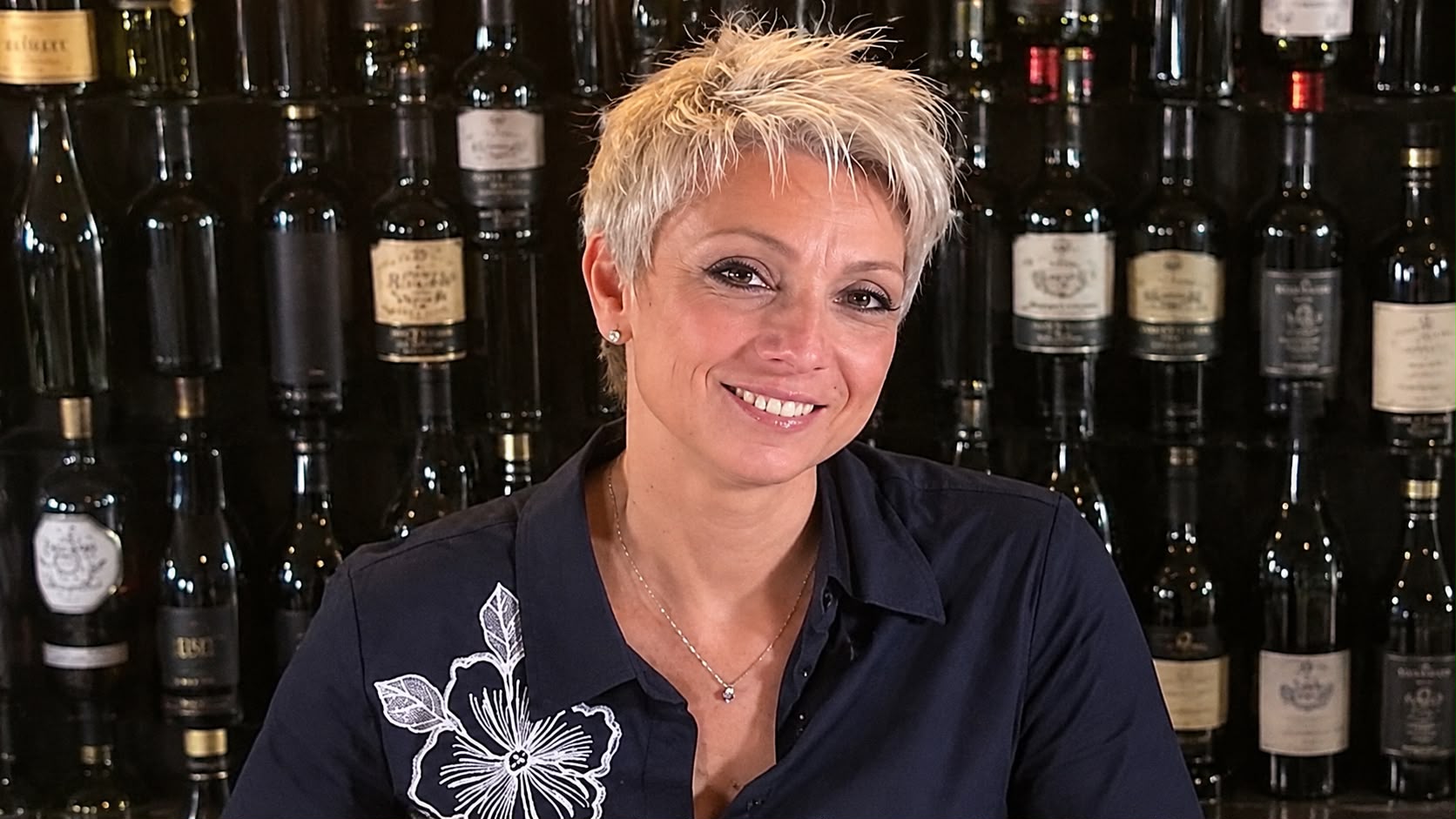


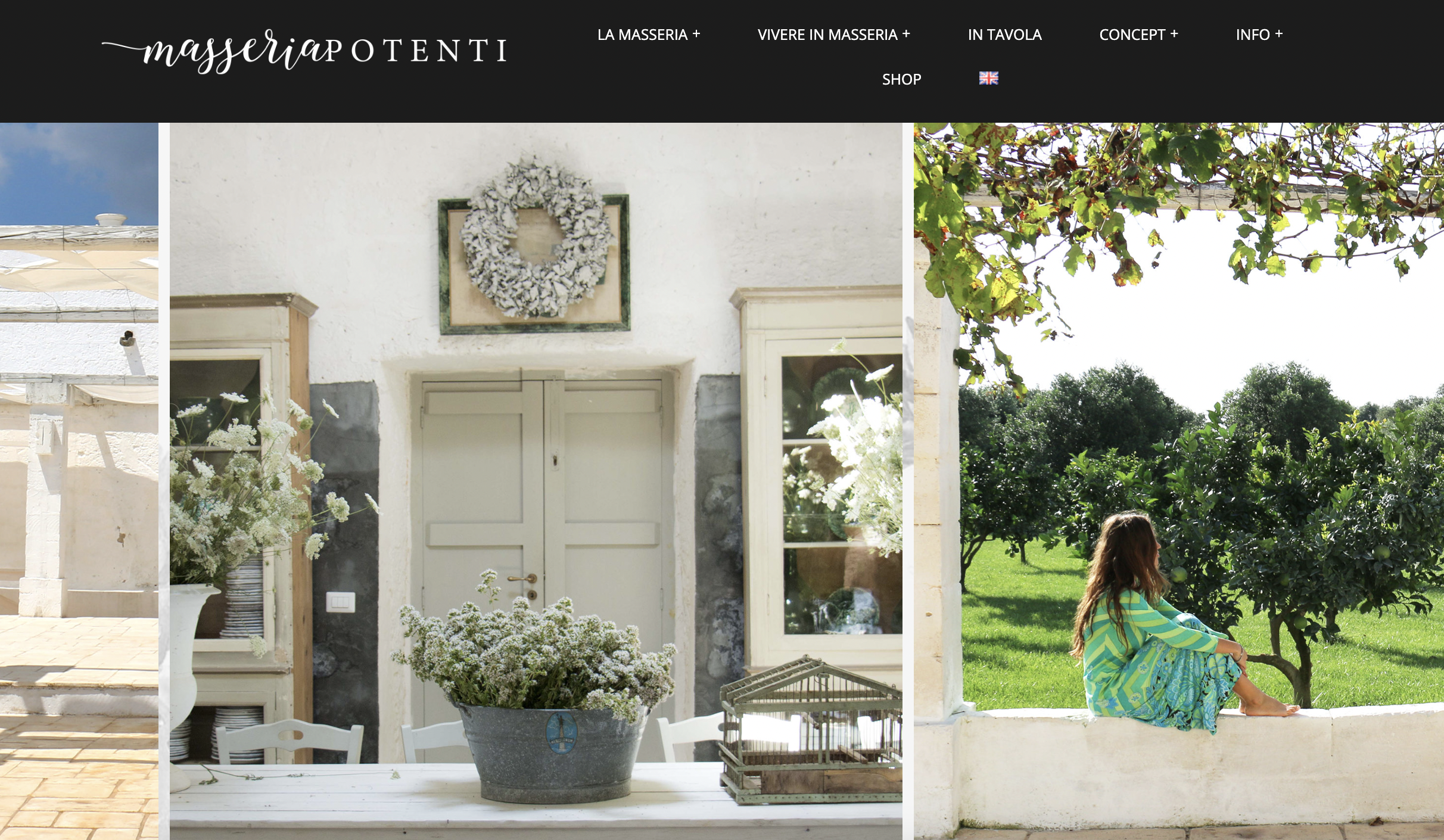

MANDURIA, Apulia — Olive groves stretch beyond the whitewashed walls of Masseria Potenti, a 16th-century fortified farmhouse where terracotta floors and a kind of suspended stillness have made this one of southern Italy’s most talked-about slow living destinations. We sat down with mother and daughter Maria Grazia di Lauro and Chiara Tommasino, who told us the place was never meant to be a hotel at all. It began, Chiara said, as her parents’ “poor act of love”, a holiday home in their native Manduria that guests refused to stop returning to. Now the family is unveiling its next chapter this April, a 16th-century monastery 30 minutes away in Avetrana, six years in restoration, which will operate under a radical new rule. The longer guests stay, the less they pay. Inside, Maria Grazia is preparing a museum of antique linens, her lifelong passion.
Q. Chiara, tell us about the monastery. What have you created there?
“The monastery is in Avetrana, an amazing little town about 30 minutes from here. It took us six years to finish the renovation. It is magnificent because it feels new, but we preserved very well the antique details. There are two beautiful gardens with aromatic herbs and plants. We try to emphasise the ancient philosophy where everything was focused on the connection among people, among different cultures, and the power of healing through the use of the hands.”
Q. How will it work, in practise?
“Legally it is a hotel, but we really want guests to feel that the more they stay, the less they pay. We want to help them stay as long as they need to heal the spirit, also through the new friendships they make with other guests who are there for the same reason. They can take cooking classes, pottery classes, and learn about the history of Puglia. It is a new concept of hospitality that goes deeply into the roots of a place like Puglia.”
Q. Maria Grazia, you are creating something very personal inside the monastery.
“Around the monastery, the details for me are about love and passion. Inside, I want to create a museum of the night, because one of my passions is collecting old pillows, bed covers, table covers, and sheets. Another important passion for me is the work of the kitchen and the work of food.”
Q. Chiara, the masseria has belonged to your family since the 1500s. How did it become a hotel?
“My parents are originally from Manduria, but my father is a psychiatrist and we grew up in Milan. They always had this dream of a beautiful house where they could share their love for their homeland. I always say it was a poor act of love. It was meant to be our holiday home, but our friends kept coming to visit, so we decided to convert it almost accidentally. We never advertised. The place was recommended by guests.”
Q. What is the philosophy that emerged from that accident?
“Because of how it began, we always had a guest-orientated perspective rather than a hotel manager perspective. Everything is built around the concept of a beautiful home that is always open to new friends, where people feel part of Puglian life at the masseria.”