
LA PLATA, Argentina — Architect and writer Daniel Terracciano has dedicated much of his time to preserving Italian culture in Argentina. At 19, he established the Circolo Campano (the Campania region association, a cultural entity for emigrants from the area) in La Plata and later published Al otro lado del tiempo (On the other side of time), documenting Italian immigrant families. He presented the Italian edition of the book in Acerra, Campania, where his ancestors are from. As Italy tightens citizenship-by-descent rules, his experience raises questions about what it means to remain Italian across generations.
Q. You describe yourself as an Italian born in Argentina. Italy has just changed the rules on who can apply for citizenship by descent. Does your life show that the law is wrong, or that it is right when it says a connection to Italy must be earned?
“I believe the connection with Italy is lived, transmitted, and built every day,” Daniel said. “My life, my book, and my connection with Acerra and the Circolo Campano demonstrate that this identity can continue to live thousands of kilometres away. I have had Italian citizenship since I was very young. As a saying I like, and which seems to represent me, puts it, I am not Italian because I was born in Italy, but Italy was born inside me.”


Q. Your book reconstructs the stories of four immigrant families. Your grandfather Domenico arrived in Buenos Aires in 1947 and spent seven years before seeing his daughter again. Which story was the hardest to put down on paper, and the one your family did not want to be told?
“The hardest was the story of that separation, my grandfather leaving in 1947 and waiting seven years to embrace his daughter again,” he said. “I do not believe my family wanted to hide anything. Rather, some wounds had remained silent for too long. My father’s story was also very difficult, but he overcame it and left his legacy in me.”
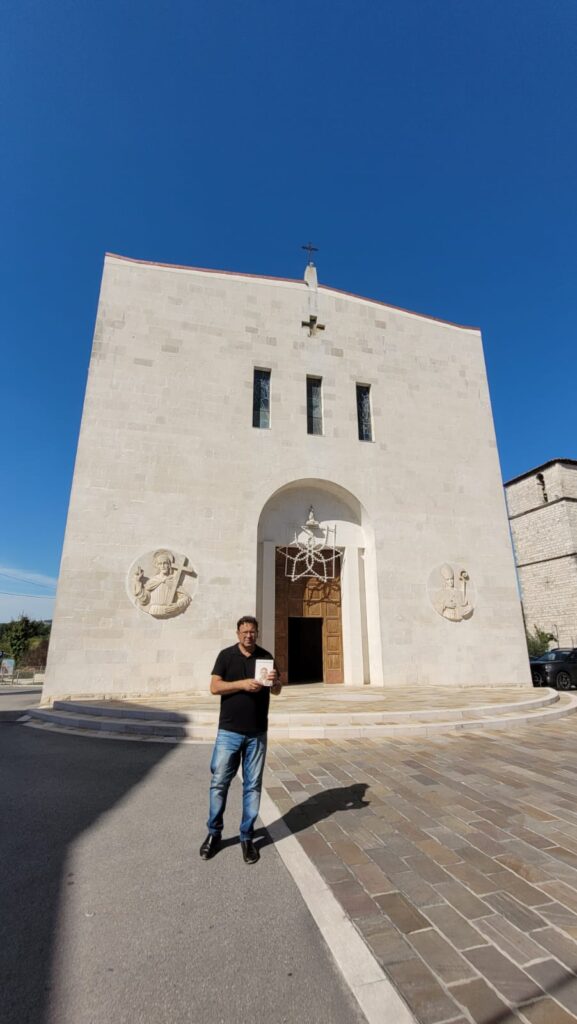
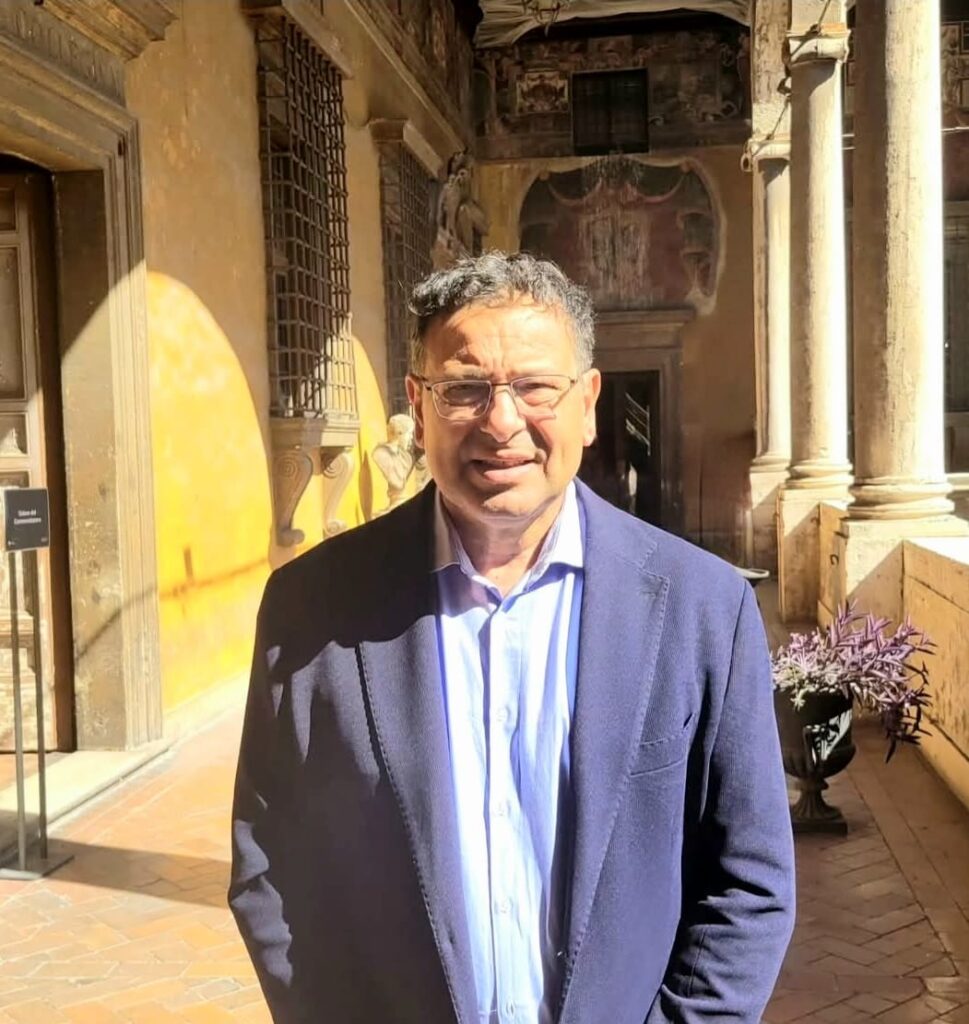
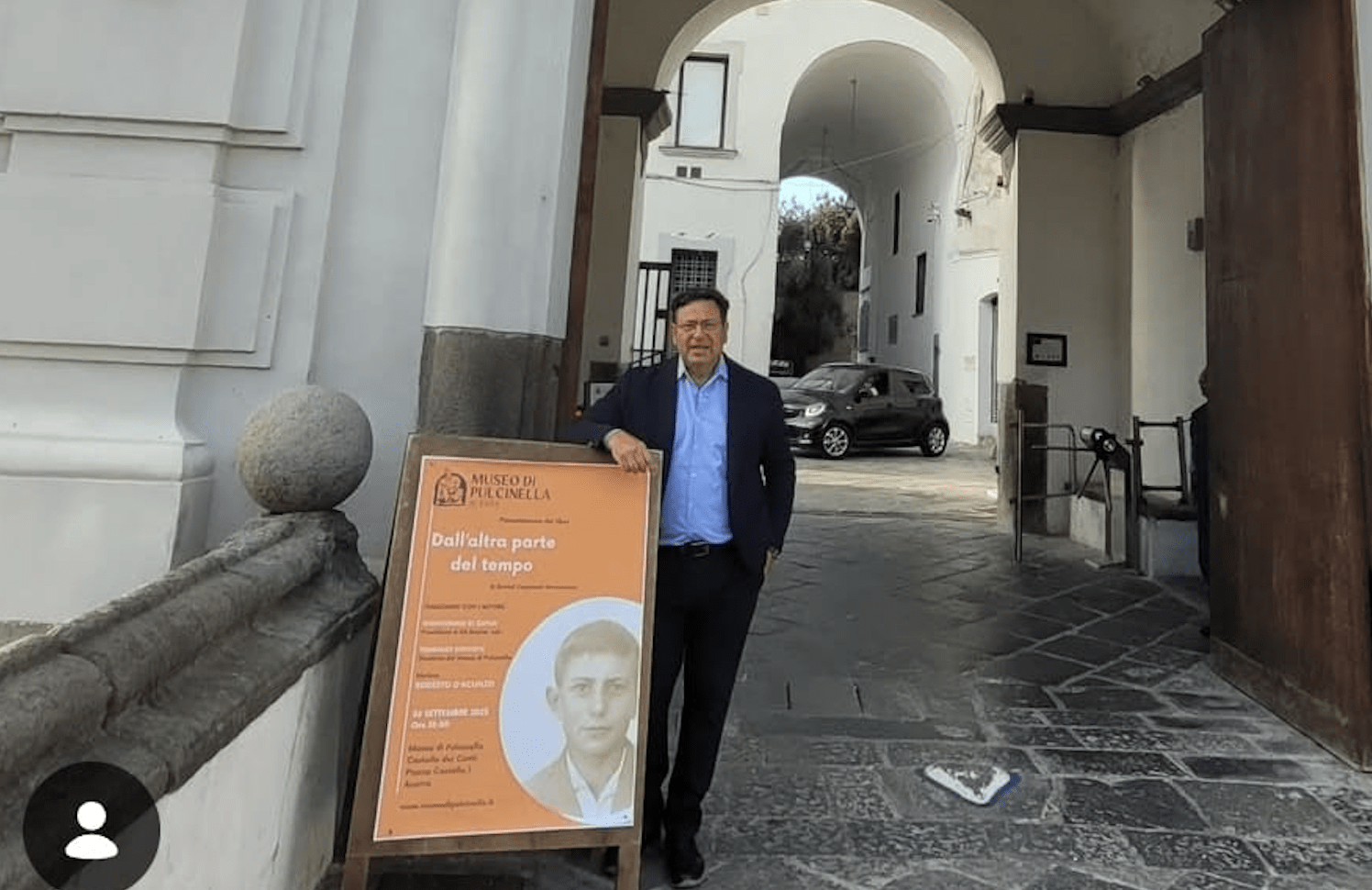
Q. You presented the Italian edition, Dall’altra parte del tempo (On the other side of time), at the Baronial Castle of Acerra. You said that the emotion was comparable to the birth of your children. What did the audience in Acerra understand that an Argentine audience did not?
“The public was not simply reading a story of emigrants, but recognising places, words, traditions, and feelings from their own memory,” he said. “In Argentina, the book tells an inherited memory. In Acerra, it spoke of a memory that is still alive.”
Q. Your father instructed his descendants to keep a lemon tree and an olive tree in every home. As an architect, what does it mean to build a home around a tree from another country?
“For me, they are not simply trees. They are roots, memory, and continuity,” he said. “Building a house around them means letting a piece of Italy put down roots in Argentina and letting the house become a bridge between two lands.”
Q. Argentina has one of the world’s largest Italian communities outside Italy. How much of your heritage survives in your children’s generation, and what has been lost?
“Much has survived. The cuisine, the value of the family, some Neapolitan words, the pleasure of being together and, above all, the sense of our origins,” he said. “Perhaps some daily habits and a part of the dialect have been lost, but the desire to know where we come from remains.”
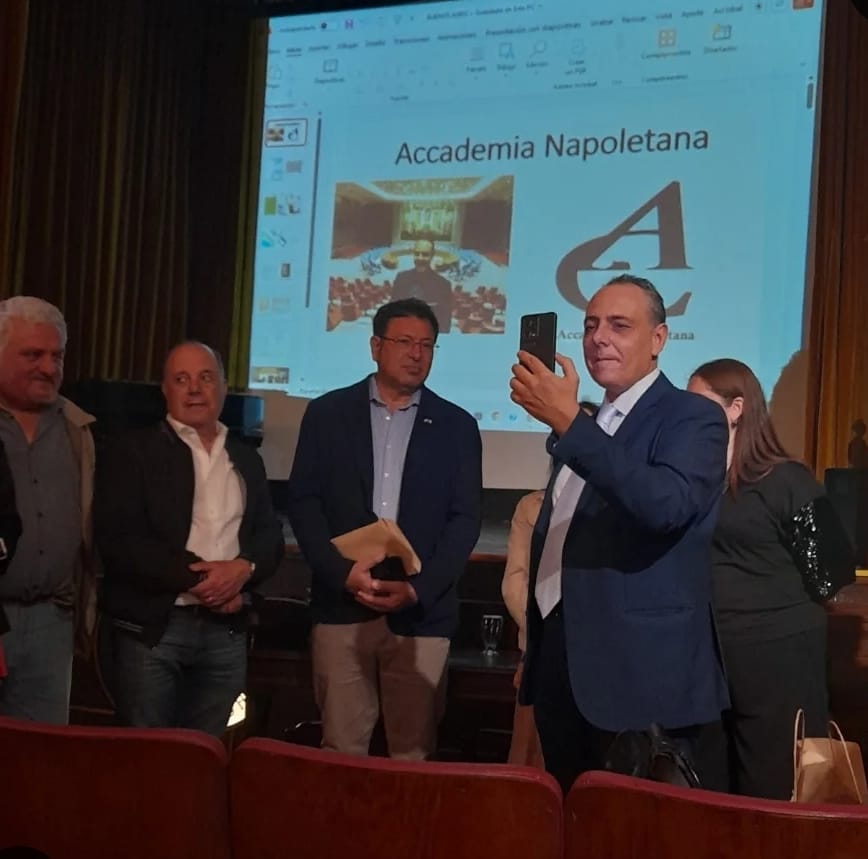

Q. You won third prize in the 2025 literary competition Baúles y raíces de la emigración italiana en Argentina (Trunks and roots of Italian emigration in Argentina). If you had to prepare a trunk from Argentina to Italy, what would you put in it?
“I would put photographs, books, family objects, a jar of Argentine soil, the smell of mate (the herbal infusion drunk across Argentina), and memories of my Argentina,” he said. “But I would leave space to bring something back from Italy, because the journey between the two lands has never really ended.”