TURIN — Turin will host the sixteenth edition of Terra Madre Salone del Gusto from 24 to 27 September 2026, bringing together farmers, fishers, cooks, Indigenous leaders and policymakers from more than 120 countries to discuss the future of food.
The event, organised by Slow Food, the Piedmont Region and the City of Turin, has become one of the world’s leading gatherings on food systems. This year’s edition takes place as conflict, climate change and rising living costs place growing strain on global food supplies.
A network under pressure
Edward Mukiibi, president of Slow Food, said the gathering comes at a moment of deepening global division, but argued that food highlights shared dependence across borders.
“Every meal connects farmers, ecosystems, cultures and communities across borders,” Mukiibi said. “Terra Madre is a place where those connections become visible and where solutions emerge from the people who are closest to the challenges.”
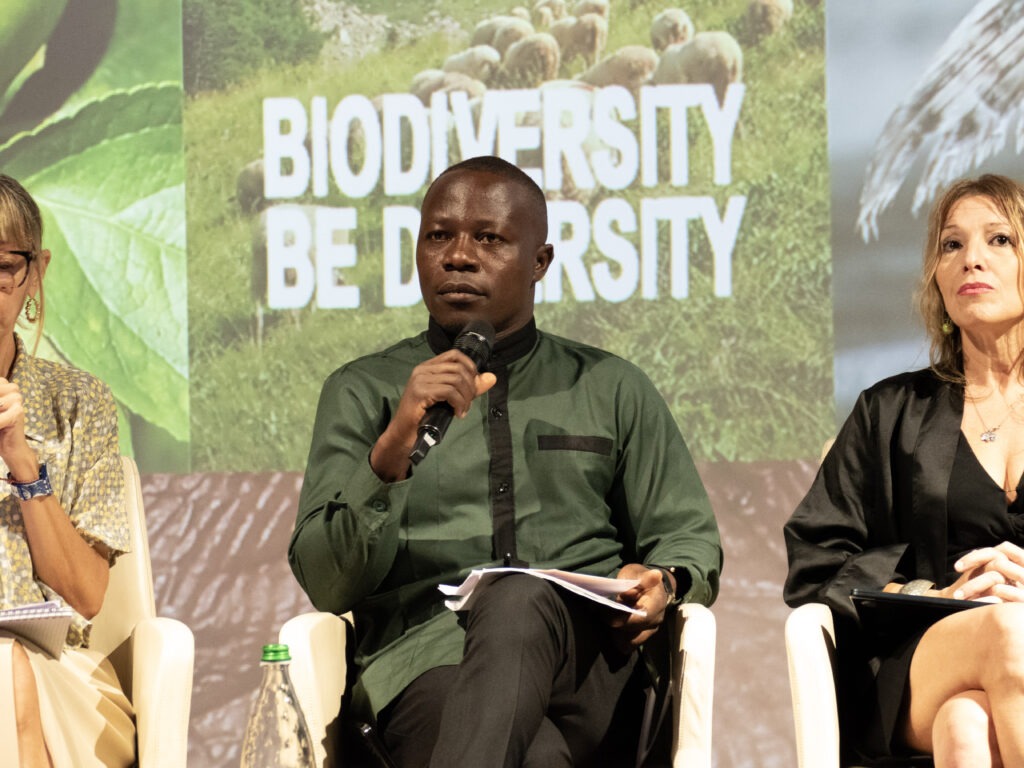
He noted that some delegates would be unable to attend because of conflict or instability in their home countries, calling their absence “the clearest reflection of the world we are working to change.”
Organisers say communities around the world are already responding to these pressures, pointing to seed conservation efforts in Indonesia, rural-urban food networks in Colombia, biodiversity projects in the Democratic Republic of Congo, and agroecology policies in Cuba and the Philippines.
Assembly to set new direction
Alongside the public event, Slow Food’s Participants’ Assembly will meet to renew the organisation’s leadership and agree its strategy for coming years. It will be the movement’s first global gathering since the death of its founder, Carlo Petrini.
Mukiibi said the organisation intended to honour Petrini’s legacy through continued action rather than commemoration. “Our responsibility is not to look back, but to move forward, strengthening this global network and deepening its impact,” he said.
The four-day event will include conferences, tastings and public discussions focused on the links between food, climate and economic policy, under Slow Food’s long-standing “good, clean and fair” principle.