


ROME — The man who designed the Uffizi, wrote the first book on Renaissance art, and interviewed Michelangelo is finally getting a show of his own, with Rome’s Capitoline Museums unveiling their landmark Vasari retrospective today with more than 70 works on display.
Titled “Vasari e Roma: l’inventore della Maniera Moderna”, the show runs from March 20 to July 19, 2026 at Palazzo Caffarelli, bringing together more than 70 works including paintings, drawings and rare documents.
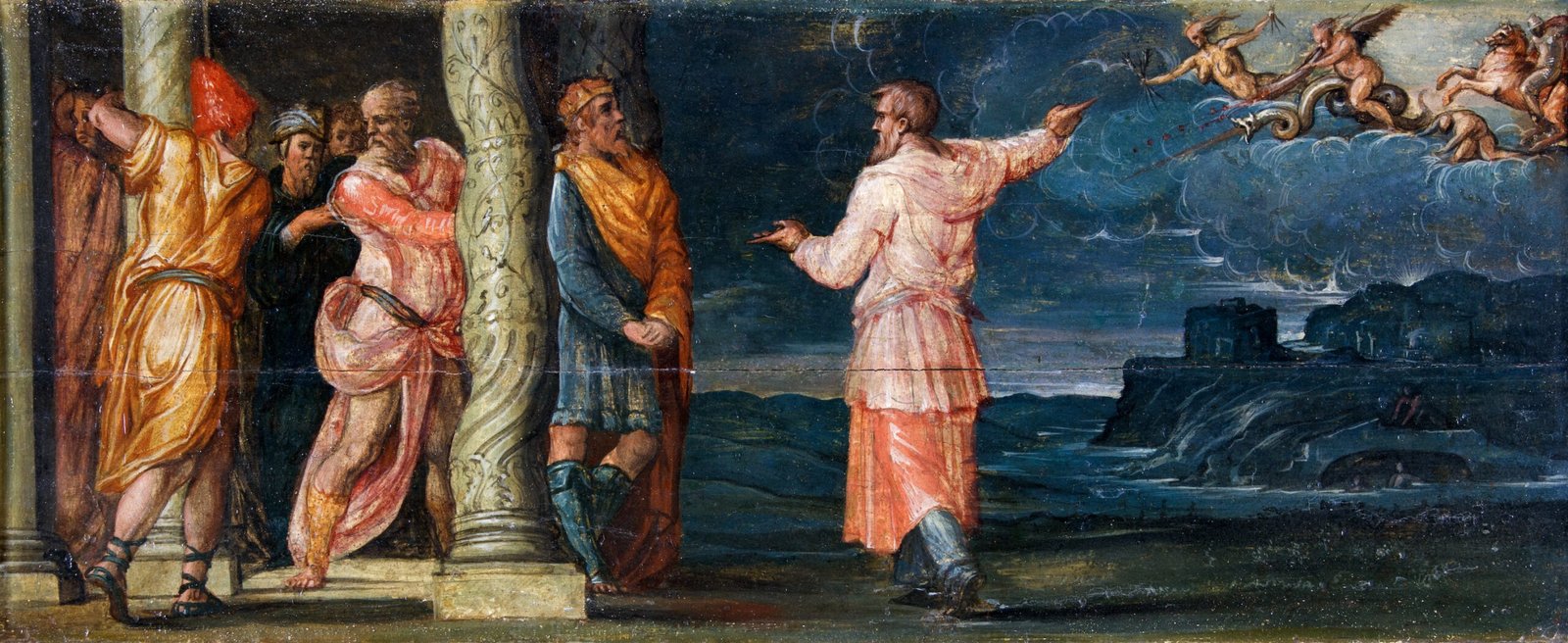
Vasari’s range was extraordinary even by Renaissance standards. He designed fire-breathing monster floats for Medici weddings, collected Michelangelo drawings as if his life depended on it, and built the Uffizi in Florence. What today it is one of the world’s great art museums were originally designed in 1560 as a set of government offices for the Medici duke of Florence.
The exhibition explores the deep and formative relationship between Vasari and Rome, a city that shaped his artistic vision and professional life. Arriving in the papal capital in 1532, the young artist encountered a vibrant cultural environment still recovering from the Sack of 1527 but rich in artistic innovation and intellectual exchange. He sketched ancient ruins, courted powerful patrons, and built relationships with figures including Michelangelo that would define his life’s work.

Birth of modern art history
Curated by Alessandra Baroni and promoted by Rome’s cultural authorities in collaboration with several institutions, the show highlights how Vasari’s Roman experiences influenced both his artistic production and his landmark book, Le Vite de’ più eccellenti pittori, scultori e architettori (Lives of the Most Excellent Painters, Sculptors, and Architects), first published in 1550. The text remains one of the most important sources on Renaissance art and artists. Vasari profiled Michelangelo, Raphael, and Leonardo, coining the term Maniera Moderna (Modern style) that gave the Renaissance its name and framework. Without him, we might never have known how to talk about the period at all.
“Without Giorgio Vasari and his ‘Lives’, we would not have the Renaissance Rome we know today,” said Massimiliano Smeriglio, Rome’s Councillor for Culture. “This exhibition is both a tribute and a valuable testimony to his role in shaping a shared artistic identity.” The exhibition, curated by Alessandra Baroni, draws loans from Florence, Bologna, Siena, and the Vatican.
Visitors are guided through four chronological sections tracing his stays in Rome, from early studies of classical antiquity and Raphael’s works to major decorative projects under papal patronage. His connections with banker Bindo Altoviti and historian Paolo Giovio are explored alongside the paintings. The show closes with Vasari’s Vatican work, including the Sala Regia frescoes completed in 1572. It is a fitting endpoint: the man who gave the Renaissance its story, decorating the walls of the institution that shaped it.