


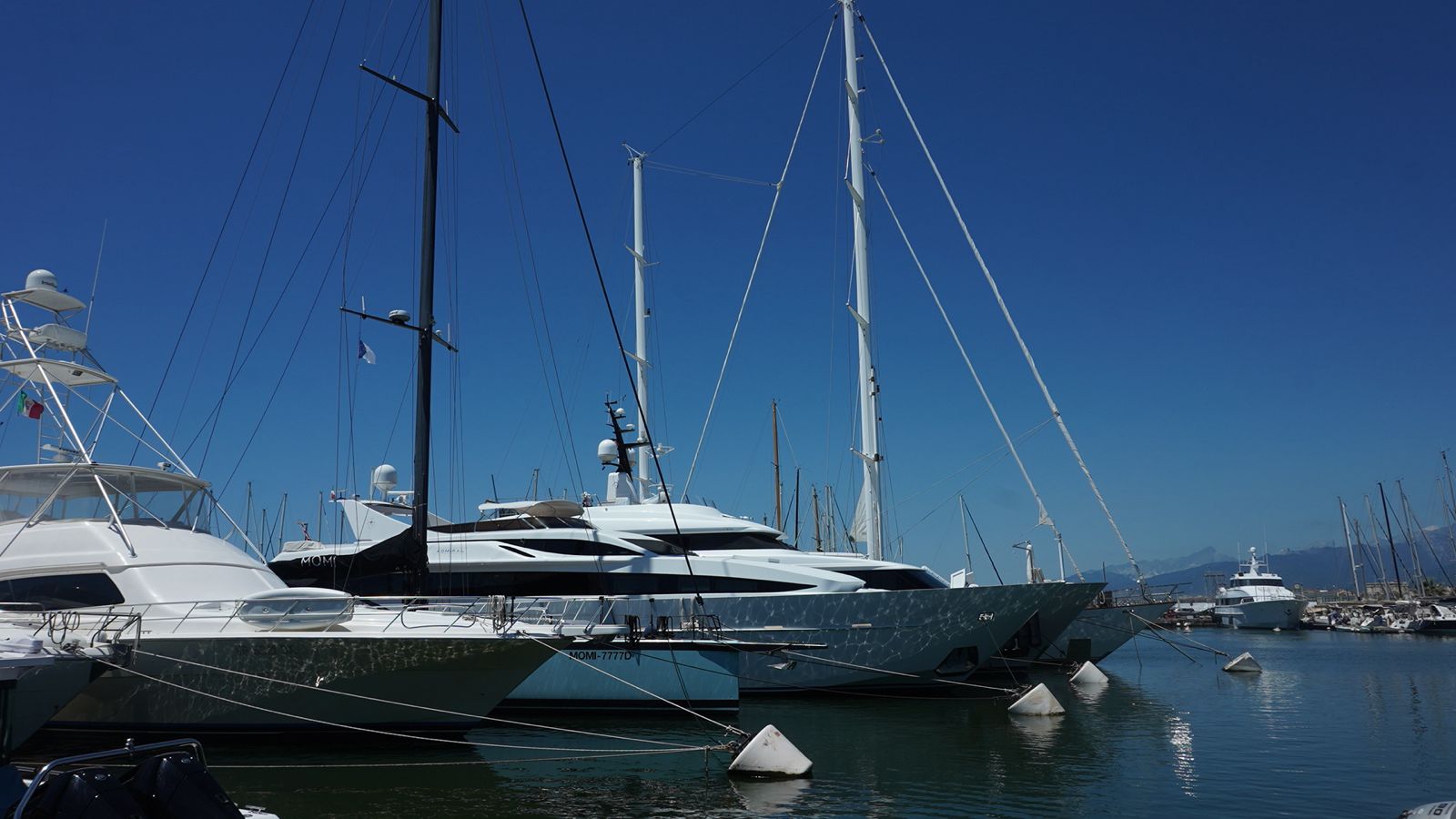

VIAREGGIO — The owner of a Tuscan superyacht is now around 50, not the 76 of twenty years ago, and the change is rewriting how the boats are designed and built. Across the Viareggio district, order books are full towards 2029 after five years of record demand.
From oil to technology
“Before he came from oil, now he comes from technology,” said Pietro Angelini, director of NAVIGO, the business network for the Viareggio yachting district. Around 24 percent of the district’s clients are now American, many from the tech world. Viareggio builds between 30 and 70 metres, leaving smaller, mass-produced craft to rivals in Turkey and the Far East, and the largest hulls to northern Europe.
Time aboard has changed too. “It has gone from an average of three weeks twenty years ago to four months,” Angelini said, crediting satellite links that let owners work from anywhere.

Half of all owners are now companies rather than individuals, often tied to charter, where a yacht is hired out for paying guests. “A boat like this is a company, a small ultra-luxury hotel that travels the world,” Angelini said.
The shift has reshaped the vessels. Sterns that once hid tender garages now open into bathing platforms that drop towards the water, and bows have turned vertical to win interior space.
The district has grown 50 percent in five years. “We have sold out the market to 2029,” Angelini said. A pandemic order rush in 2020 and 2021 drove a peak the sector is still working through. Russian clients have vanished, replaced by buyers from Ukraine, Kyrgyzstan and Azerbaijan. A booming charter and refit trade now keeps older boats in service for decades, lifting the global fleet over 30 metres towards 10,000 hulls by 2030.
Built by hand
For all the technology, the work stays human. A single 50-metre yacht can burn 160,000 litres of fuel on one tank, which is why builders race to make boats lighter. NAVIGO’s ISYL school trains about 200 students a year, roughly 90 percent hired within six months.
Owners do not buy a finished boat here, Angelini argued. They come to build one, alongside architects, engineers and the yard’s own craftspeople, and that, he suggested, is, in the end, what they are really paying for.