

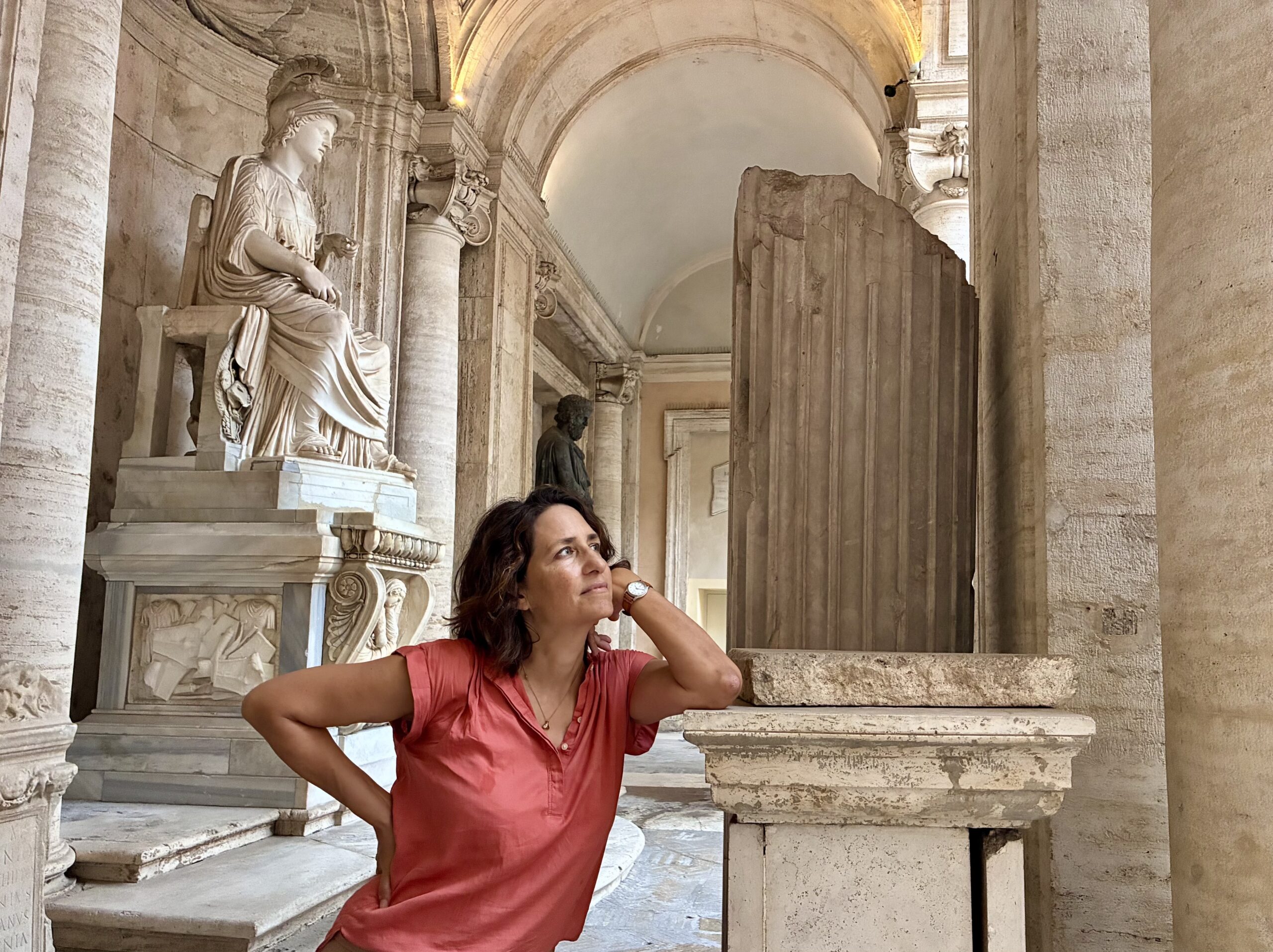

ROME — Aleen Toroyan built TrovaTrails after watching the same scene repeat in Rome: adults excited to show children extraordinary historic places, while the children trailed reluctantly behind. Her answer was to turn sightseeing on its head. TrovaTrails uses technology lightly to send children out into the real world on detective missions, following clues, solving challenges and leading their families through history. Highly Commended at the 2026 BETT Awards, TrovaTrails is now developing its first mission outside Italy, set in Roman Londinium.
Q. What made you decide the problem wasn’t the museum, but the whole dynamic between parent and child?
“There wasn’t one single moment. I saw it again and again, adults excited to show children extraordinary places, the children just wanting to leave. Children love stories, games and treasure hunts, so I wondered why we couldn’t bring those into a museum. The leap was realizing nobody was solving this problem, and deciding to build the solution myself.”
Q. What changes when a child holds the clues and leads the family, instead of the other way round?
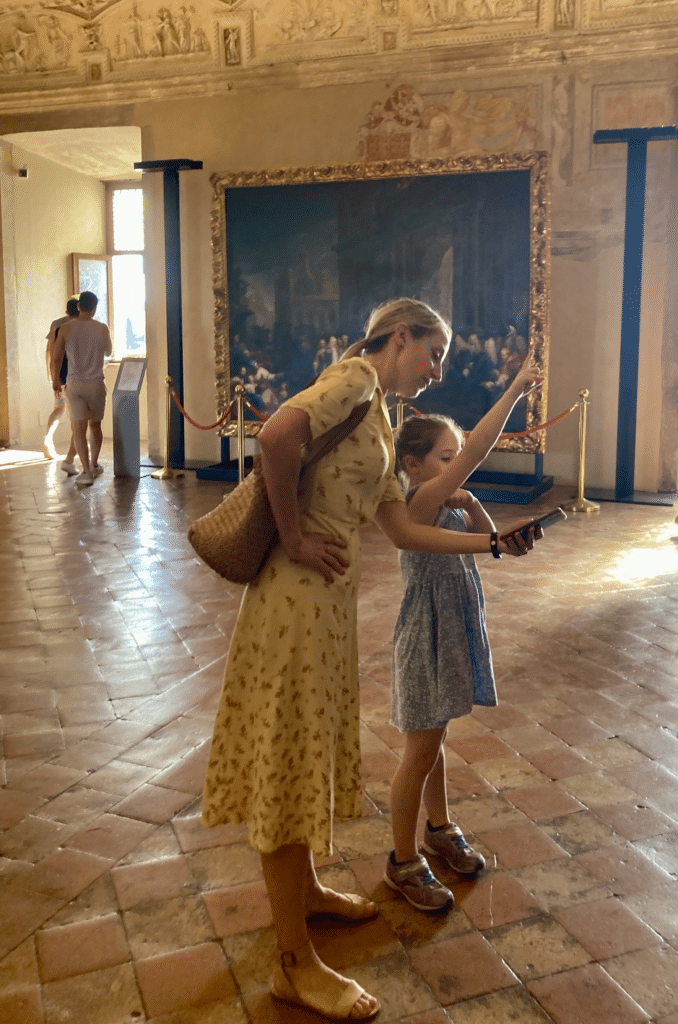
“When children lead, everything changes. The child has the clues, knows where the family needs to go next and becomes the person everyone else follows. That sense of agency is incredibly powerful. Instead of being told what to look at or learn, they’re finding things, cracking clues and working things out for themselves. And for parents, the dynamic changes too: instead of cajoling a child around a historic site, you’re exploring together, with the child leading the adventure.”
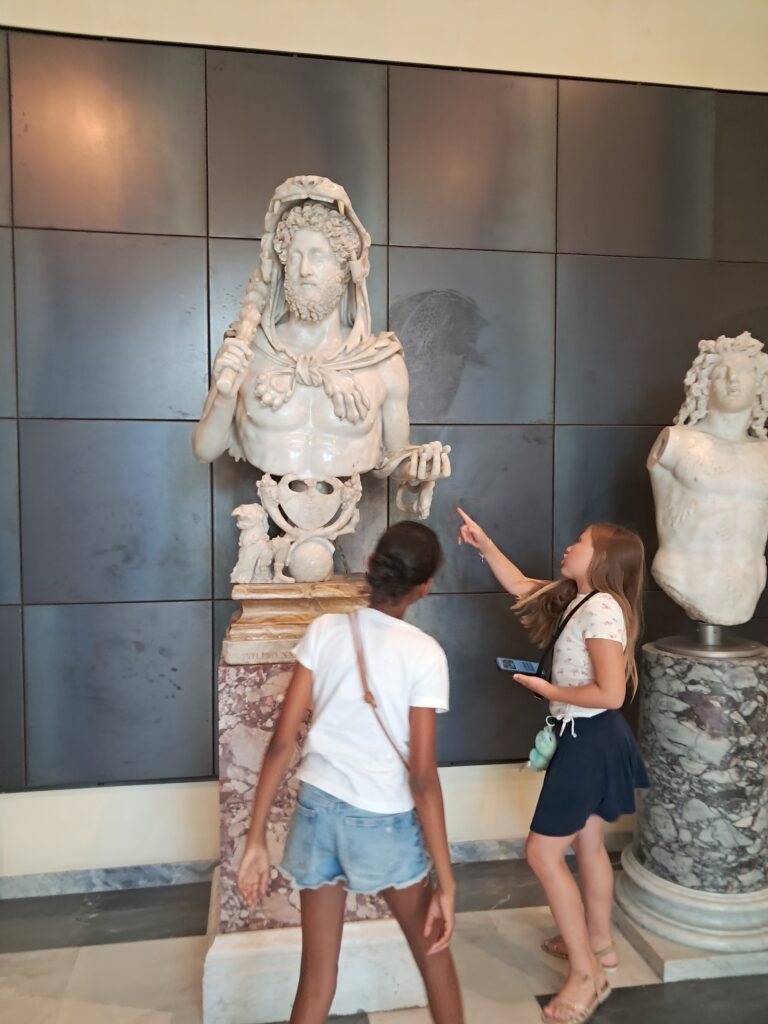
Q. The Horrible Histories style humour, toilets included, is a very British way to teach history. How does that land with Italian parents?
“I grew up with a British approach, irreverent, funny, quite happy to talk about toilets, vomit and gruesome deaths. Roman history lends itself brilliantly to that, because the Romans were extraordinary but also wonderfully weird. Once a child is laughing about Roman toilets, you can sneak in an enormous amount of history. I did once get a comment from an Italian saying museums are for quiet contemplation, not laughing and running around. Children will have plenty of time for that when they’re older. First we need to make them curious enough to want to come back.”
Q. Parents worry about screens, museums worry about visitors staring down at phones. How do you design a trail so children look up more than down?
“That’s fundamental to the design. We use technology to launch children back into the real world — exploring, moving and observing. The phone gives them a clue, then they have to look up and around them to solve it: finding a particular emperor, decoding an inscription or spotting something tiny on a statue. They cover real distances, and it’s common to see children running excitedly from one clue to the next. The screen is the tool; the real world is where the adventure happens.”
Q. What does growth look like from here?
“The next stage is proving the model can scale. We’ve built and tested it in Rome and received regional innovation funding. Now I’m working on our first London trail, an important test of whether what we’ve built in Rome can travel. I’m also looking to bring someone into the business with real growth experience, and then investment, to take TrovaTrails into more cities.”