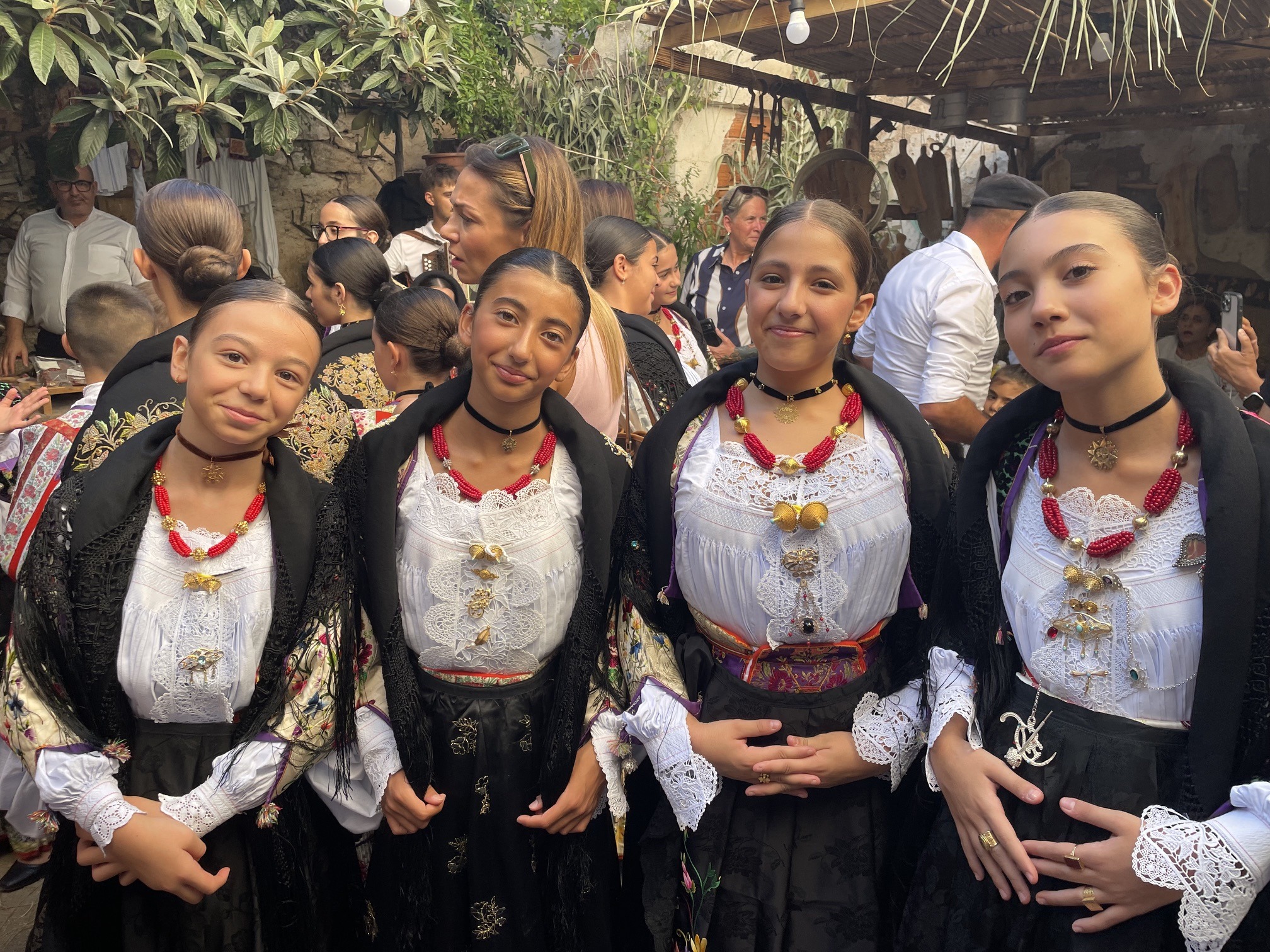

NUORO, Sardinia — Autumn in Sardinia’s Barbagia opens doors that stay shut the rest of the year, from a Nobel laureate’s childhood home to courtyards where embroiderers and singers keep alive traditions older than Rome itself.
In Nuoro, the house where Grazia Deledda grew up is now a portal into her fierce, private world. Deledda remains the only Italian woman to win the Nobel Prize in Literature in 1926, and guided tours trace her path from a strict household to international acclaim.
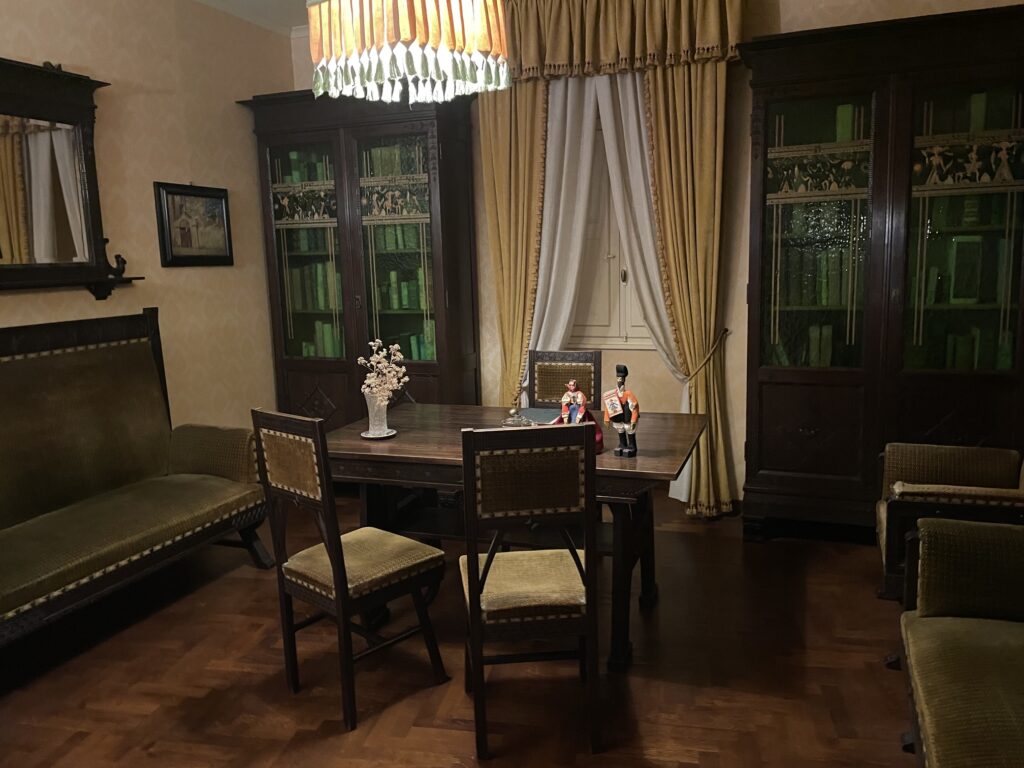
“In that family the boys were expected to lead, while the girls were raised only to become wives and mothers,” said Gianna Fois, an expert on the Deledda house. “It was a harsh society, but she was stubborn enough to insist on her writing. She used to say, ‘I write as the bird sings.’”
Deledda attended only four years of school before her father, sensing her talent, arranged private lessons with a teacher named Maestro Ganga, who taught her Italian, Latin, French and Greek. She kept reading and writing long after, weaving native Sardinia into the realist novels that estranged her from Nuoro.
Threads and a legend
The road south leads to Oliena, is said to have grown up beside the springs of Su Gologone, where legend and geography overlap. Its Nepente wine won praise from poet Gabriele D’Annunzio, and its olive oil and embroidery remain sources of pride.
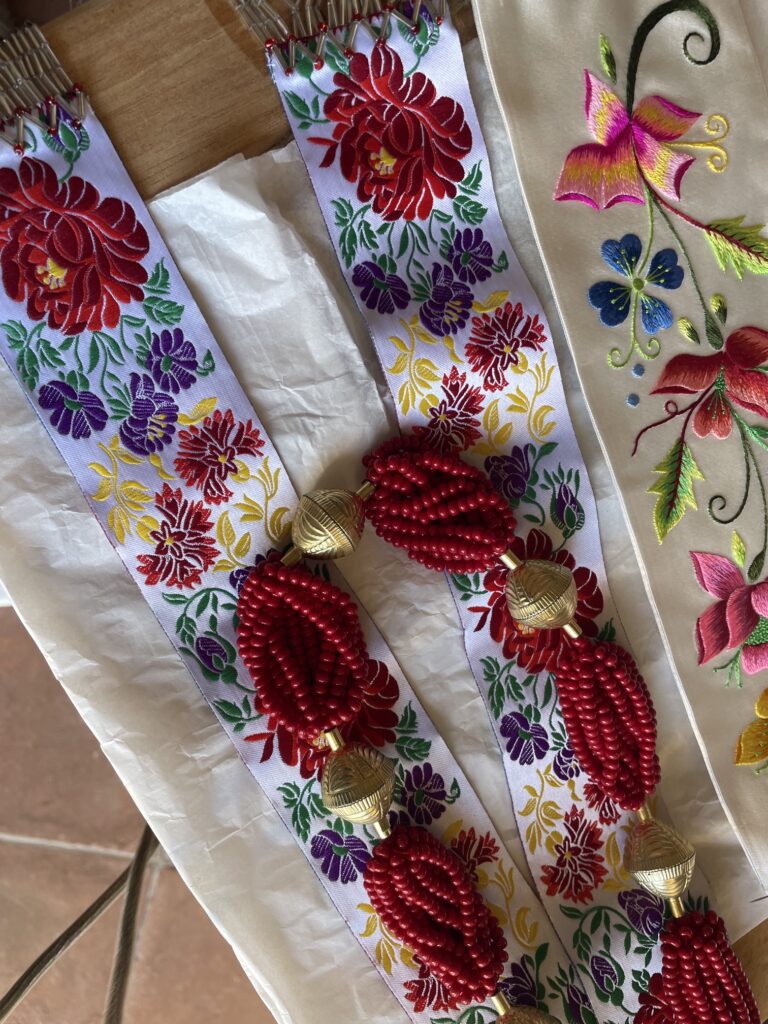
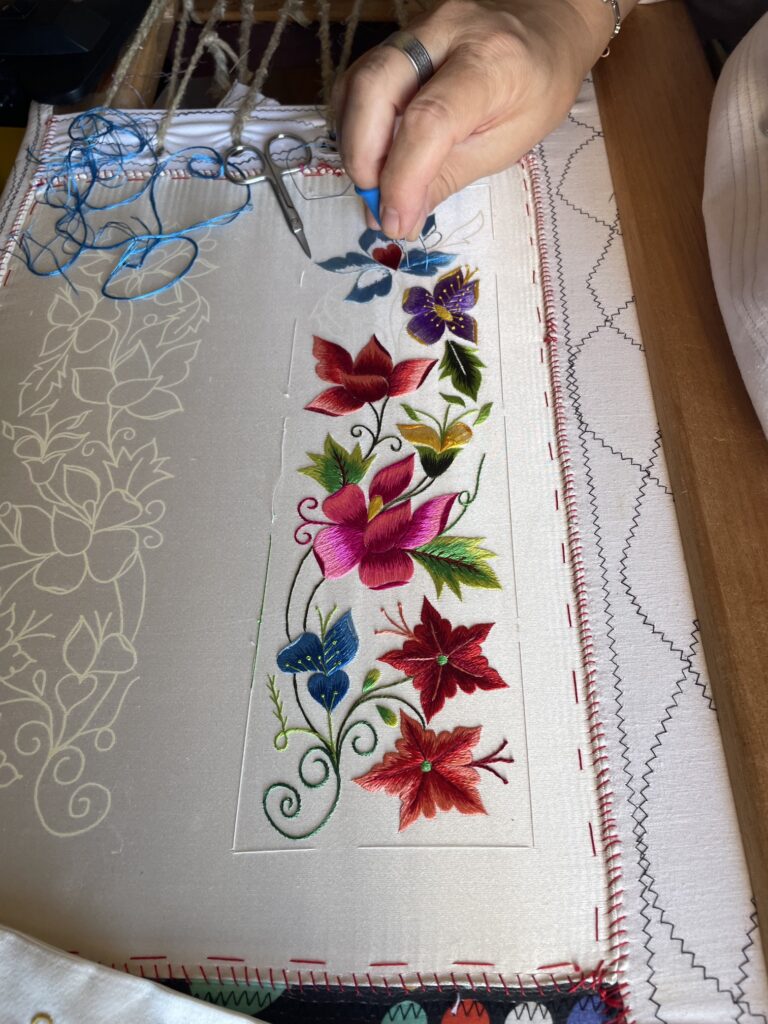
Inside the Ex-Collegium of the Jesuits, part of the Cortes Apertas festival, from mid-September to mid-December, marking three decades this year, women embroider ribbons for costumes. “A ribbon takes two or three weeks, working the flowers in satin stitch and tiny knots,” said Tonina, one of the embroiderers. “These become necklaces.”
Songs that rise from the earth
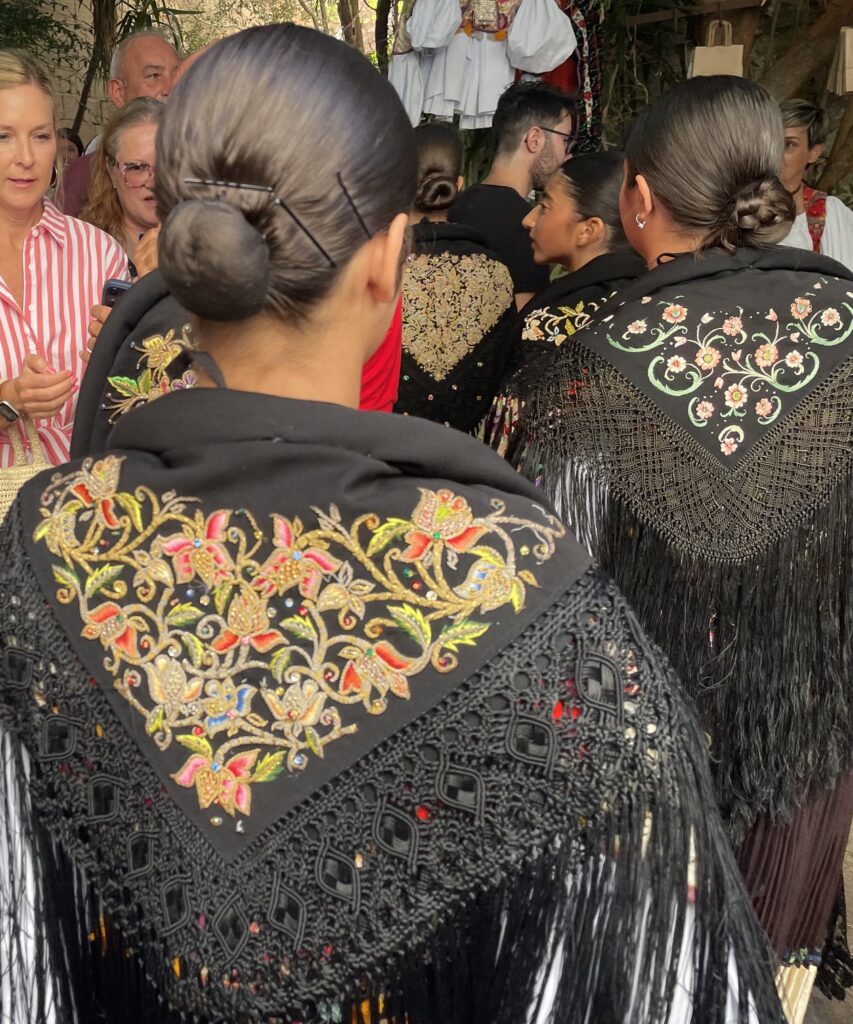
Folk dancers spin in the courtyard in costumes heavy with embroidery. Paolo, twenty, described his outfit to Italy Now. “The shirt takes twenty metres of cotton, hand sewn, with a striped velvet jacket and a hat called sa berritta,” he said. “Everything is passed down, because some materials no longer exist. Even the buttons are handmade, and once showed social class.”
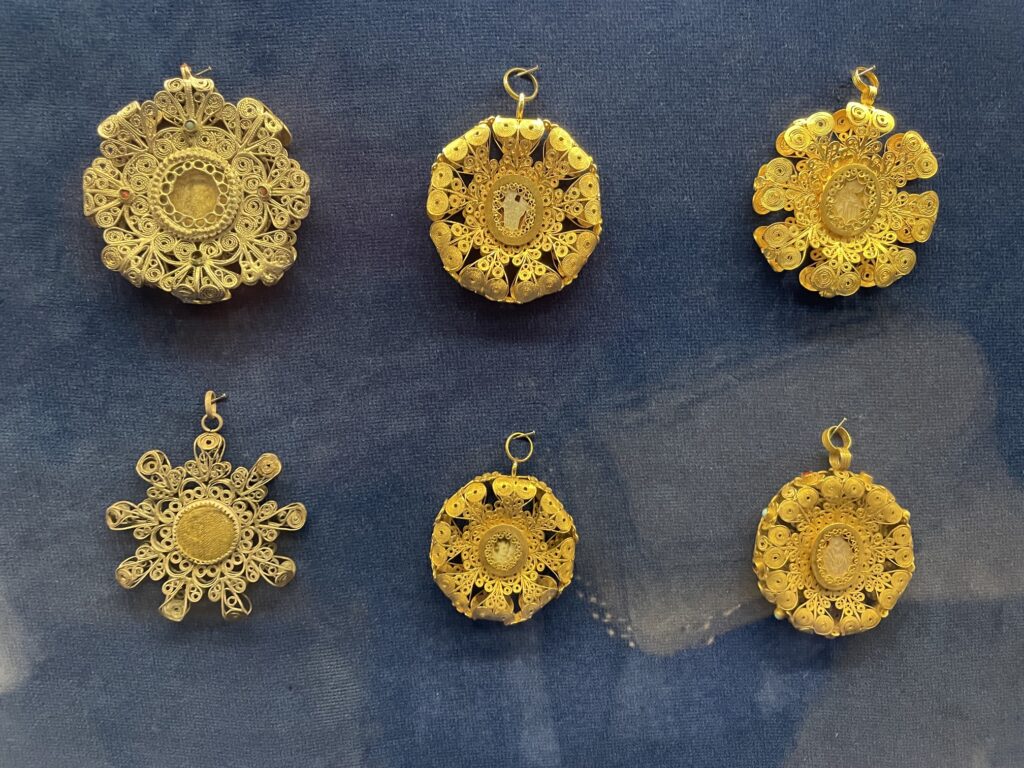
Grandmothers demonstrate bread recipes unchanged for centuries, weavers work looms older than a unified Italy, and men sing canto a tenore, a polyphonic tradition traced by some to the Bronze Age, recognised by UNESCO as Intangible Cultural Heritage.