

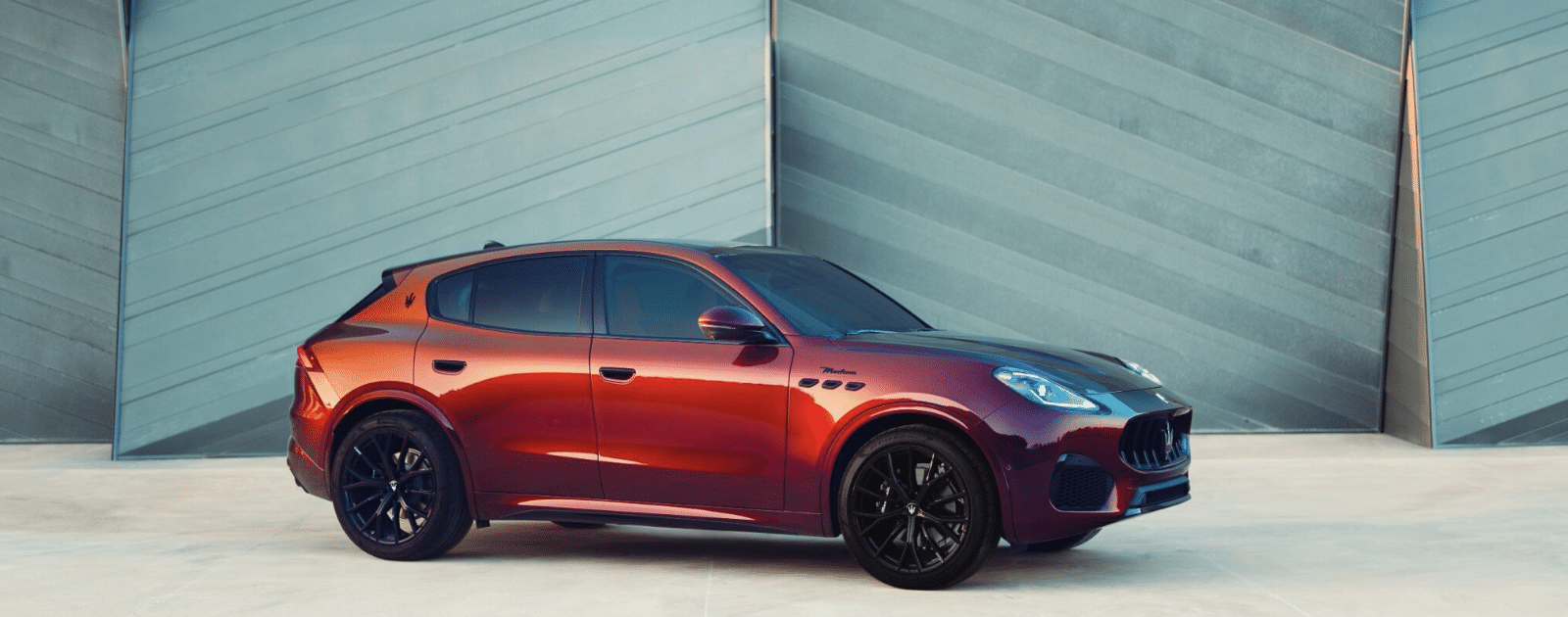

MODENA, Emilia Romagna — As Stellantis prepares to unveil its new strategic plan for Maserati in December, the Modena carmaker is flourishing in the sector where client vision takes the lead. Fuoriserie, its personalisation programme, builds cars so detailed that it can take two years to finish them.
“Starred restaurants always have a menu, and then the off menu, where they play even more with the ingredients,” said Davide Baldini, who heads Maserati Fuoriserie, citing Modena chef Massimo Bottura. “Fuoriserie is Maserati’s off menu.”
“When owning an exotic car is no longer enough to stand out, extreme personalization allows wealthy buyers to move even further up the exclusivity pyramid,” said David Vaucher, founder of automotive consultancy Vaucher Analytics.
Launched in 2020 with the MC20 supercar, the programme offers catalogue collections and fully bespoke cars. In 2025 Maserati aimed to lift customised orders from about 12 percent of production to 20 percent, with a workshop finishing up to 24 cars a day.
“Bespoke options can bring in more profit per car, but they can’t make up for falling sales on their own,” said Shawn Miller, editor-in-chief of British car news site The Cars Daily.
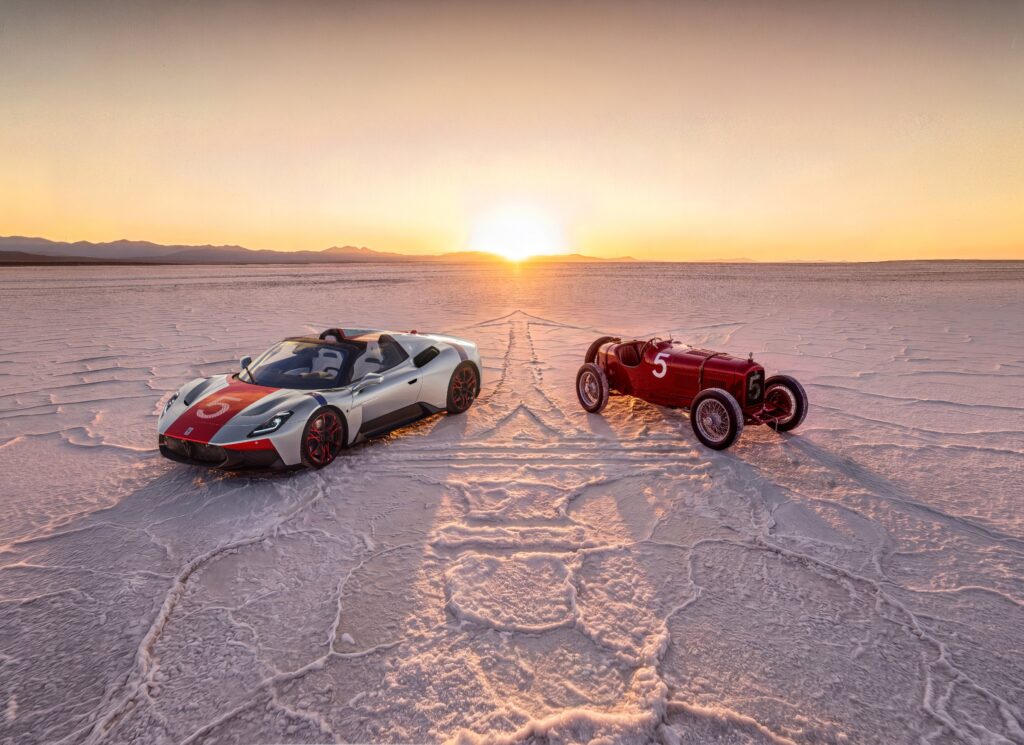
Price of uniqueness
Catalogue extras run from about €500 for a single badge to around €20,000 for the costliest paint, a textured finish clients touch first. Bespoke work can add €100,000 to €200,000 to a car, Baldini said, and takes five to 24 months, against three or four for a standard order.
The longest build, for an Italian collector, carries a livery inspired by Kandinsky, each side painted differently. Painting alone took more than six months. “He describes them as two wonderful years, not two years waiting on the sofa,” Baldini said.
Coachbuilt roots
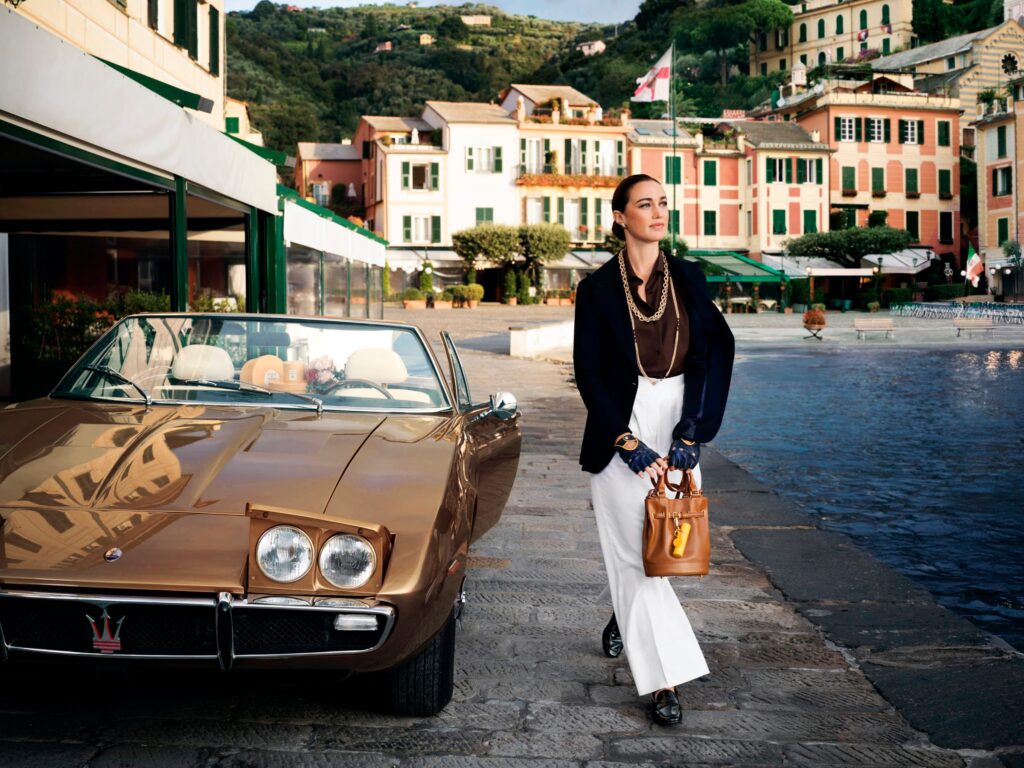
Founded in Bologna in 1914, Maserati has built cars on Viale Ciro Menotti since 1940. Bespoke cars are not new at this address – in 1959 the Shah of Iran commissioned the first 5000 GT, and only 34 were built, bodied by eight coachbuilders.
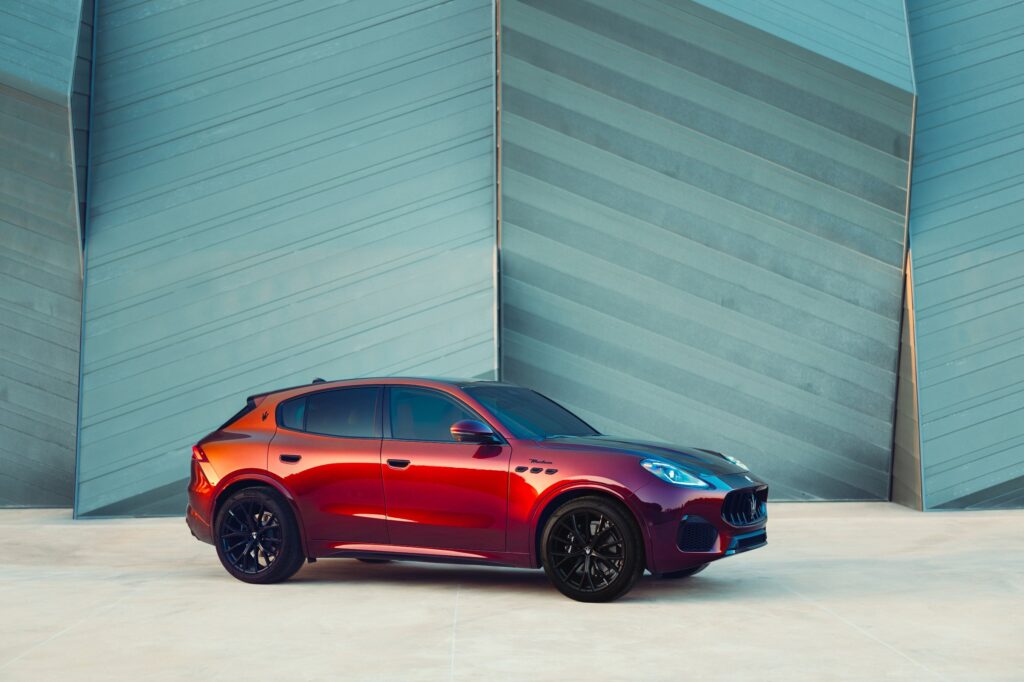
Recent commissions include a GT2 Stradale in Blu Victory honouring the MC12 racer, shown at a Villa La Massa concours near Florence from October 16 to 18, 2026, and a Grecale series created with winemaker Antinori. The trident also appears on an Acqua di Parma travel set and a 100 piece Bianchet tourbillon.
Friendly rivals
Italy’s supercar producers are also joining forces to share production strengths and bolster the iconic Italian brands, with even Ferrari opening its doors to show Baldini how it personalises cars. “They will never show me how a V12 engine is built,” he said. “But on how to satisfy the client, there is full sharing.” The Motor Valley supply chain is worth €347 billion, a regional study found.
Maserati sold 11,300 cars in 2024, fewer than half the year before. Yet Fuoriserie clients have raised their spending rather than cut it, Baldini said, making the overall output more exclusive and sought after the world over.
In a factory once measured by volume, the cars that count most may now be the ones made only once.